



Museum Bumi Alit Panjalu – A Hidden Gem in Indonesia’s Cultural Landscape
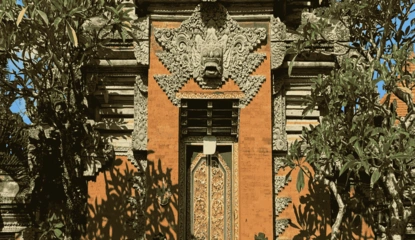
Museum Bumi Alit Panjalu is an important historical museum located in Panjalu, Ciamis, West Java. Unlike major city museums, this site focuses on preserving local heritage from the ancient Kingdom of Panjalu, contributing to broader efforts in the Museum Nasional system by protecting valuable cultural artefacts.
What Is Museum Bumi Alit Panjalu?
The name Bumi Alit translates to “small house” in the Sundanese language. The museum began as a sacred place for housing relics belonging to King Prabu Sanghyang Borosngora and was later moved to its current location at Kebon Alas, Panjalu. The building’s design reflects traditional Sundanese architecture, resembling a raised wooden structure with a thatched roof.
Over time, the site became recognized as a cultural museum preserving important historical material and providing educational insight into local history.
Type and Classification of the Museum
Museum Bumi Alit is classified as a local cultural history museum, focusing on museum collections that represent the heritage of the Panjalu region. While it is smaller in scale than national museums, it plays a crucial role in safeguarding historic relics of a once-prominent kingdom in West Java.
Museum Management
The museum is not directly run by the national government but operates under the guidance of local community groups known as Wargi Panjalu. These local custodians help manage, maintain, and facilitate access to the museum’s artefacts, keeping the heritage alive for both residents and visitors.
The Museum Collections
The collections museum at Bumi Alit Panjalu include a rich array of historical artefacts, such as:
- Zulfikar sword, believed to be gifted by Sayidina Ali RA to the ruler Borosngora.
- Cis — a double-headed spear used historically as a royal weapon.
- Command keris and other classic weapons like kujang, gong, and pancaworo.
- Historical ritual objects, ancient manuscripts, menhirs, and ceremonial items associated with Panjalu royalty.
These collections provide tangible connection to past traditions and rituals, including annual ceremonies such as Nyangku, which involve cleansing and honoring sacred items.
Vision & Mission of the Museum
Though no formal published statement exists, the purpose of Museum Bumi Alit aligns with general museum objectives within Museum Indonesia, which include.
Vision (in spirit):
To preserve and communicate the cultural legacy of the Panjalu region for present and future generations.
Mission:
- Safeguard historical artefacts from the Kingdom of Panjalu.
- Provide educational access to local heritage and history.
- Support the continuation of cultural practices tied to the museum’s collections.
Role in Museum Nasional & Registration
For museums across Indonesia, including smaller sites like Bumi Alit, pendaftaran museum in the national registration system is essential. Museums must meet criteria such as having a clear collection, location, organization, and resources to be officially recognized.
Being registered nationally enhances recognition, allows access to governmental support, and reinforces the museum’s place within the broader tapestry of Museum Indonesia heritage institutions.