





Sasak Weaving is a noble cultural heritage from Lombok Island, West Nusa Tenggara (NTB), blending visual beauty with the deep life philosophies of its people.
Crafted with high precision, this woven fabric is a symbol of identity, a sign of a woman's maturity, and a testament to the legendary craftsmanship of Sasak women.
The History of Sasak Weaving in Lombok
The Sasak people, the indigenous inhabitants of Lombok Island, hold weaving skills in high regard, teaching them to girls from an early age. This lifelong learning process shapes them into expert weavers and keeps the tradition alive.
The name Sasak is said to be closely related to a weaving technique called sesek, derived from the method of tightening threads one by one until they become dense. During the production process, traditional looms emit a distinctive "sak, sak" sound.
Historically, the name Sasak was first found on the Pujungan Inscription in Tabanan, Bali, dating back to the 11th century. Traces of this tribe's history are also clearly recorded in the renowned ancient literary work, Negara Kertagama.
This historical value proves that the weaving tradition has been the heartbeat of Sasak life for centuries. To this day, the techniques and motifs used still maintain the authenticity passed down through generations by their ancestors.
Related article: Mandalika : A Hidden Piece of Cultural and Natural Heaven in NTB
What are the Characteristics of Sasak Weaving?
The uniqueness of Sasak Weaving lies in the combination of intricate traditional techniques and motifs rich in symbolic meaning and local beliefs:
1. Thick and Dense Texture
The fabric has sturdy physical characteristics, does not wrinkle easily, and features colors that do not fade quickly thanks to highly meticulous thread-tightening techniques.
2. Traditional Production Process
Artisans still use manual equipment, from spinning the yarn to weaving, where a single piece of cloth can take up to four weeks to complete.
3. Iconic Pre-Islamic Motifs
Dominated by tumpal or bamboo shoot motifs that resemble mountains as a symbol of prosperity, as well as visualizations of Goddess Sri and various animal motifs.
4. Touches of Islamic Influence
Motifs shifted toward plant forms, vines, the tree of life, and eight-layered flowers resembling stars as an adaptation to religious values.
5. Philosophical and Economic Value
The density of the threads and the high level of difficulty give this fabric high economic value, while also serving as a way to honor the perseverance of Sasak women.
Related article: 10 Best Escapes You Can Enjoy In Beautiful Lombok
Sasak Weaving Villages in Lombok
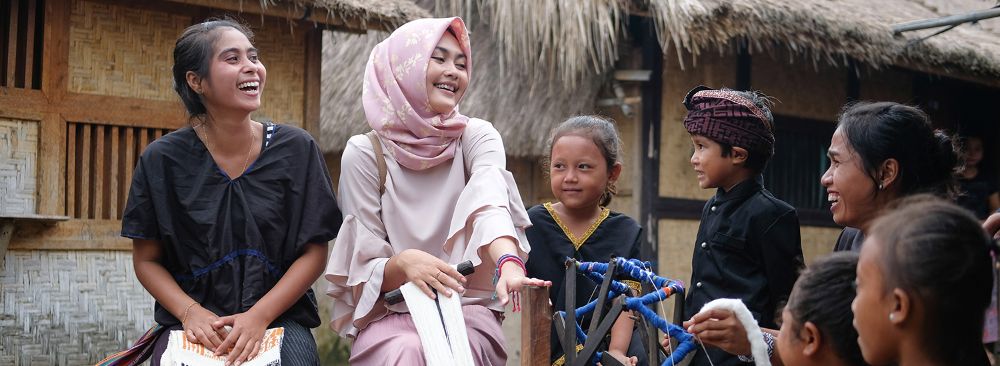
For the Sasak community, weaving is a customary obligation; a woman who is not yet proficient in weaving is considered unready to start a household. Before marriage, they are required to make three sarongs as a provision for themselves, their husband, and their mother-in-law.
This tradition makes the sight of nine-year-old girls actively working at looms a common occurrence in traditional villages. Here are some of the best weaving villages you can visit in Lombok:
1. Sade Traditional Village
Sade Traditional Village still strictly adheres to its ancestral customs. Here, you can witness firsthand the local women busy weaving fabric on the porches of their iconic traditional houses.
2. Sukarara Village
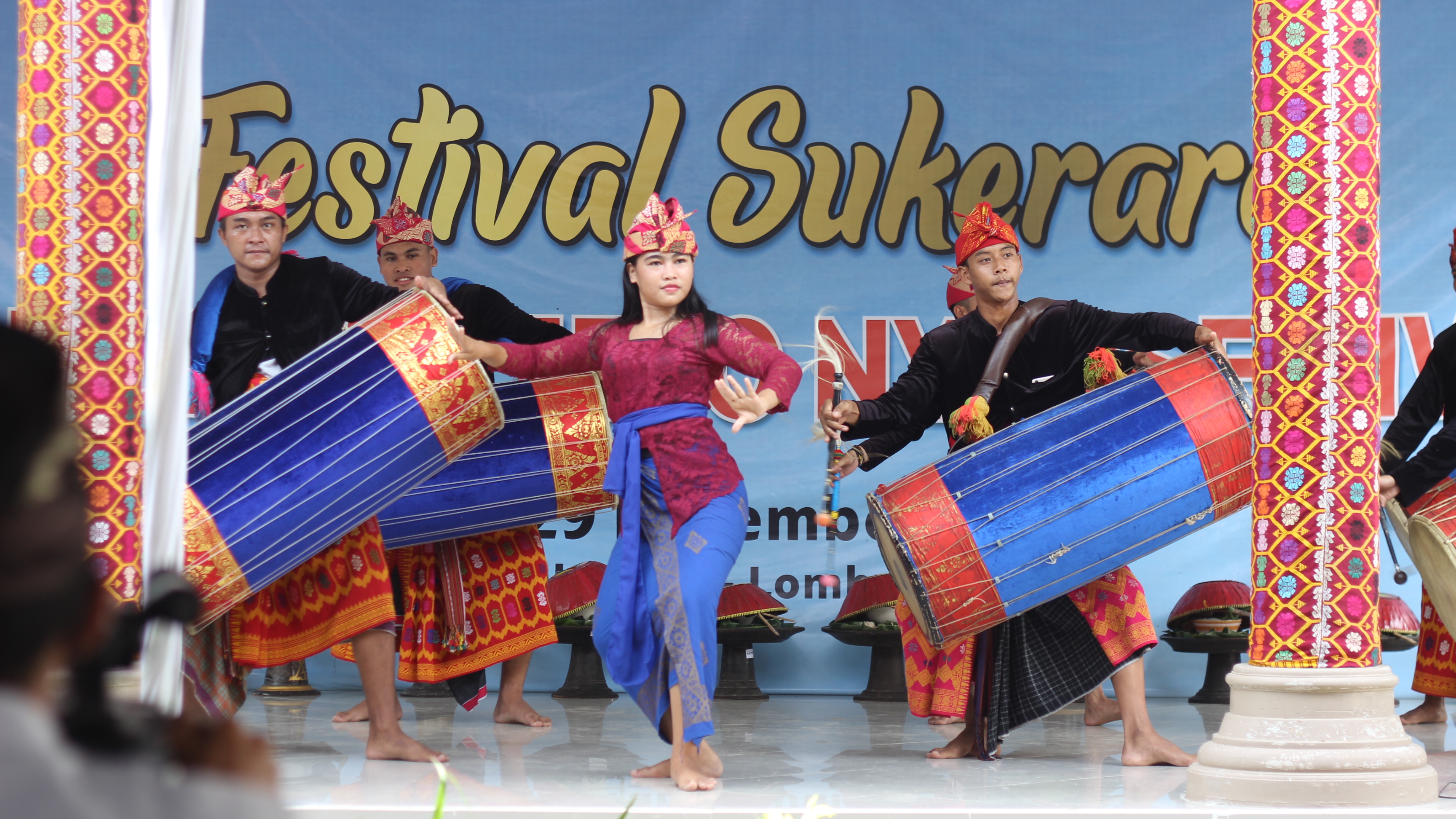
A popular center for songket weaving, where tourists are allowed to try learning how to weave or take photos wearing traditional Sasak attire.
3. Ende Sasak Village
A cultural tourism destination offering a serene atmosphere with friendly weavers ready to explain the meaning behind every thread of their fabric motifs.
4. Pringgasela Village
Known for its distinctive ikat weaving technique and soft natural dyes, this village offers a highly authentic and peaceful textile tourism experience.
Tips for Buying Authentic Sasak Weaving
Ensure you get the best quality woven fabric and support local artisans by paying attention to these important tips while shopping in Lombok:
- Observe the thread density and fabric texture; authentic hand-woven cloth tends to feel heavier, denser, and not slippery to the touch.
- Check the back of the fabric to ensure the motif is visible through to the other side, which is a hallmark of manual weaving rather than machine-made.
- Do not hesitate to ask about the meaning of the motifs and the type of dyes used so that you get a fabric that aligns with its historical value.
- Buy directly from the artisans in the tourism villages to ensure product authenticity and provide a direct economic impact for the local community.
Related article: Dreaming of Staying at Gili Air Lombok Do Try Our Budget Suggestions
Get recommendations for traditional villages or information on market prices for high-quality woven fabrics through the virtual assistant MaiA. This digital travel companion is ready to provide interesting insights to make your cultural exploration in Lombok even more memorable.
Immediately organize your visit to the weaving villages in Lombok using the AI Plan Your Trip feature. This tool helps you arrange the best routes so that your journey to find traditional fabrics becomes more efficient and enjoyable.