



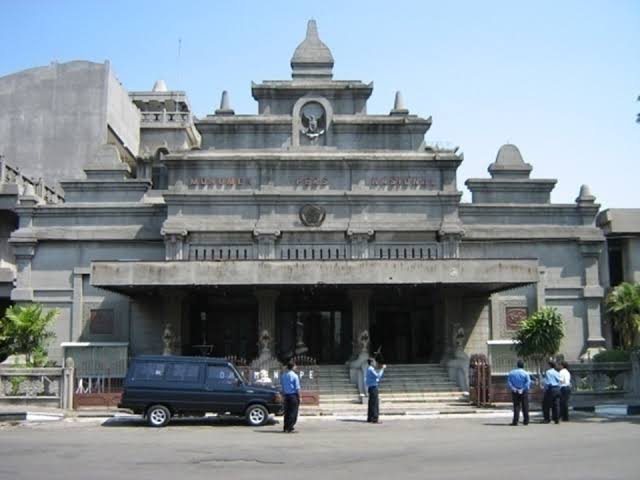
The National Press Monument (Monumen Pers Nasional) in Surakarta, Central Java, is a specialized museum dedicated to the history and development of the Indonesian press. Officially registered with the Museum Registrationsystem under the Indonesian cultural heritage framework, it plays an important role within the Indonesian Museums network and contributes significantly to preserving press artifacts and media history.
Located in a historic building that traces its roots back to 1918, the museum is managed by the Ministry of Communications and Informatics of the Republic of Indonesia (now under the Ministry of Communication and Digital Affairs) and offers a rich collection of press materials and communication technologies.
What Is the National Press Monument?
The National Press Monument is a specialized museum focused on the history of journalism and media in Indonesia. Its purpose is to collect, preserve, and communicate a wide range of press-related artefacts, including newspapers, magazines, historical equipment, and personal memorabilia from key figures in the nation’s press history.
The museum also features a library, multimedia rooms, and digitized archives, making it a valuable resource for students, researchers, and anyone interested in the evolution of the Indonesian press.
Type and Museum Classification
- Museum Category: Specialized Museum
- Museum Type: Type B
As a specialized museum with focused collections and educational facilities, the National Press Monument stands out as a dedicated institution for understanding the Indonesian press beyond general historical museums.
History of the Museum
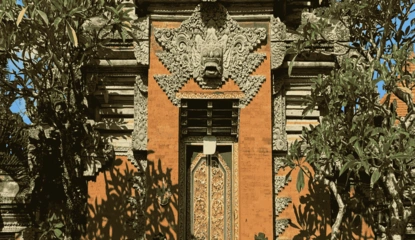
The core structure of today’s museum dates to 1918 when it was originally constructed as Societeit Sasana Soeka, a gathering hall commissioned by Mangkunegara VII, designed by architect Mas Aboekasan Atmodirono. Over time, the site became historically significant as the birthplace of the Indonesian Journalists Association (PWI) on February 9, 1946 — a date now commemorated as National Press Day.
Following decades of planning and support from the press community and government, the monument was officially opened on February 9, 1978 under its current name, with expanded exhibition spaces to house the growing press collections.
Museum Management
The museum is owned and operated by Indonesia’s Ministry of Communications and Informatics (now the Ministry of Communication and Digital Affairs). Its management team oversees collections, visitor services, programming, and preservation activities, ensuring that press history is accessible and engaging for a wide audience.
Museum Collections
The National Press Monument boasts an extensive array of museum collections related to media and communication, including:
- Over one million newspapers and magazines from various regions and historical periods.
- Communication and reporting technology, such as typewriters, transmitters, telephones, and radios.
- Exhibits on press history, including dioramas illustrating the evolution of media in Indonesia.
- Artefacts and memorabilia from prominent journalists and media pioneers.
The museum also houses a library with thousands of books and digital resources, allowing visitors to access historical press materials and archival content.
Vision of the Museum
The museum’s vision is to become a national reference centre for press heritage based on information technology, promoting literacy, research, and public understanding of media history.
Mission of the Museum
Its mission includes:
- Documenting and conserving significant press materials from before independence to the present.
- Communicating press collections and historical documents to the public to foster nation-building and cultural awareness.
- Serving as an educational and scientific visit destination, promoting media literacy and public discourse.