



Bali is one of Indonesia’s most enchanting islands — known for its breathtaking landscapes and deeply rooted cultural heritage that continues to thrive in everyday life. Cultural heritage in Bali is a living tradition that reflects a harmonious blend of spirituality, community values, artistic expression, and historical wisdom passed down through generations.
Sacred Temples: Windows to Balinese Spirituality
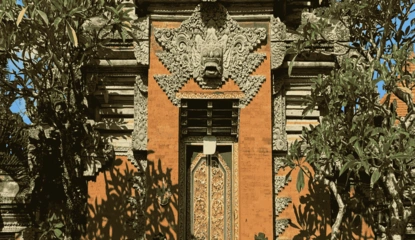
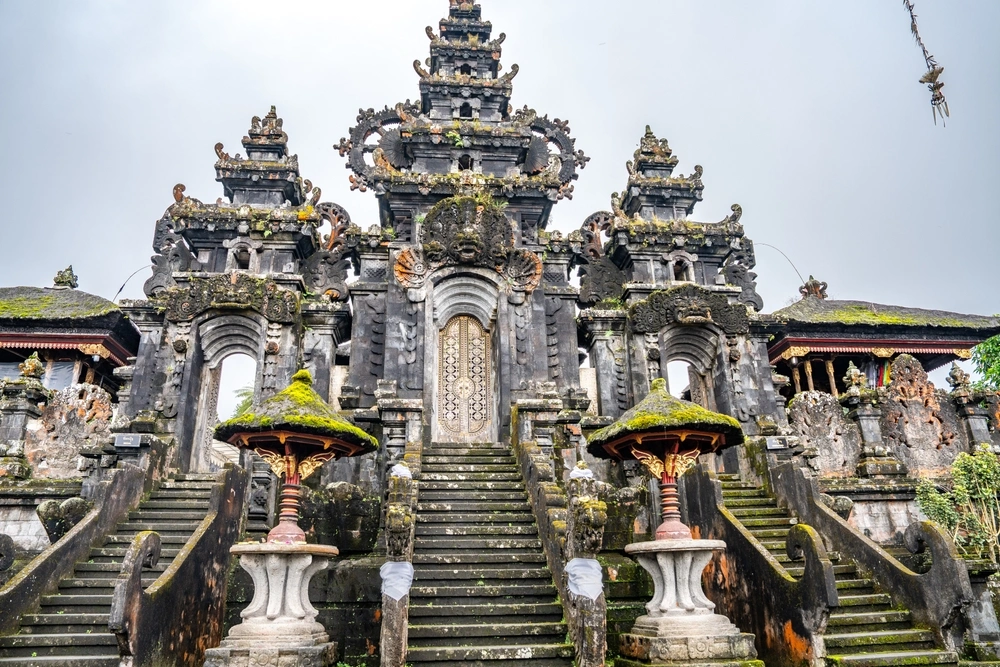
At the heart of Bali’s cultural identity are its Hindu temples (pura). These temples serve not only as places of worship but also as cultural centers where spirituality and community life converge. Examples include:
- Pura Besakih, the most important and sacred temple complex in Bali.
- Pura Ulun Danu Batur, set by Lake Batur and dedicated to the water goddess, integral to spiritual life in Bali.
- Pura Tanah Lot, perched on a coastal rock and renowned for its dramatic sunset views.
- Pura Beji Sangsit, associated with Dewi Sri and Bali’s agrarian culture.
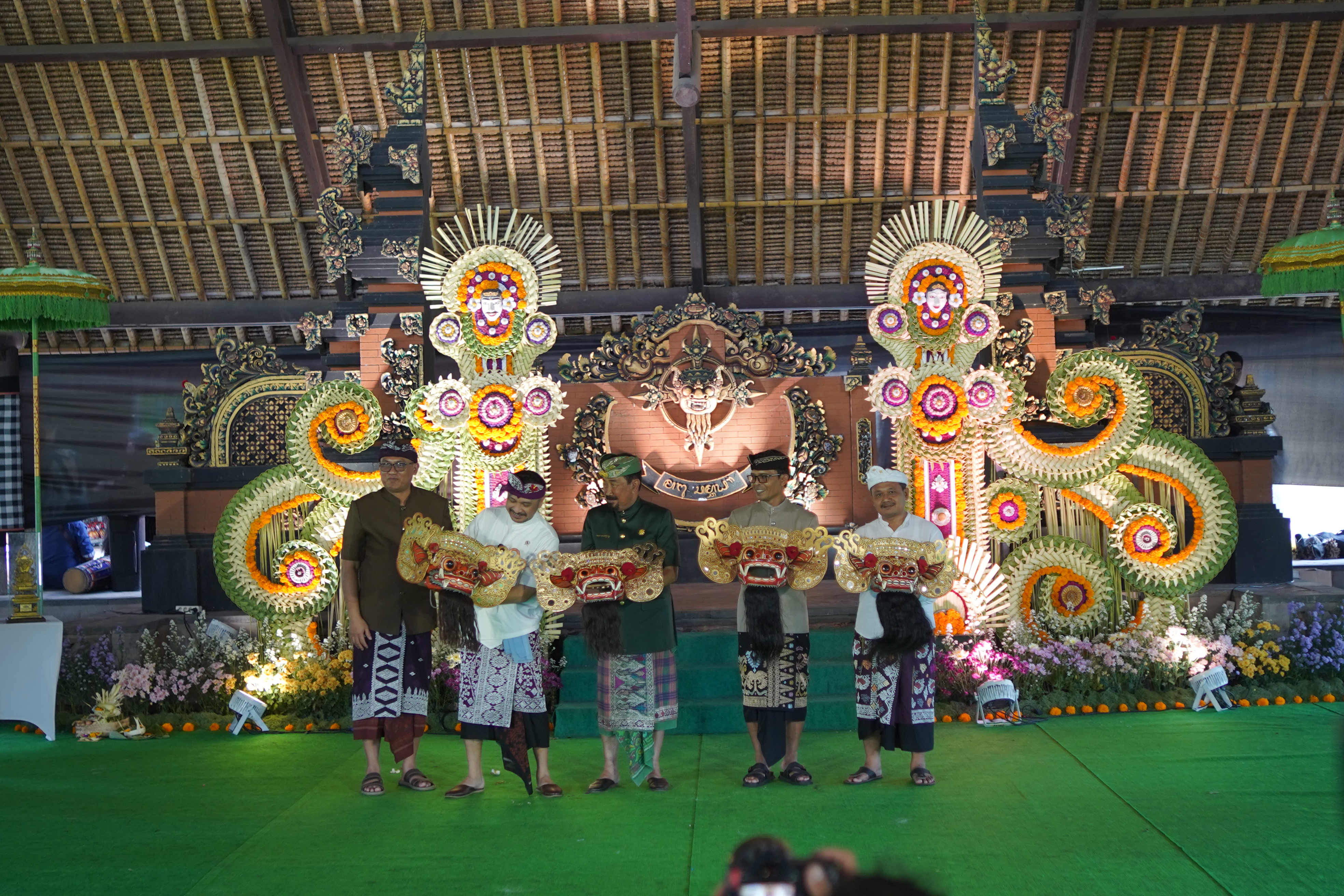
Temples in Bali are often celebrated with odalan festivals — temple anniversary celebrations filled with ritual offerings, traditional dances, and community gatherings according to the Balinese calendar.
Subak System: A UNESCO-Recognized Cultural Landscape
One of Bali’s most remarkable cultural expressions is the Subak irrigation system — a community-managed network that distributes water to rice terraces. Subak embodies the philosophy of Tri Hita Karana, a belief in balancing harmony between humans, nature, and spiritual forces.
Recognized by UNESCO as a World Heritage cultural landscape, Subak represents a tradition that intertwines social cooperation, spirituality, and environmental stewardship in Balinese life.
Traditions, Rituals & Performing Arts
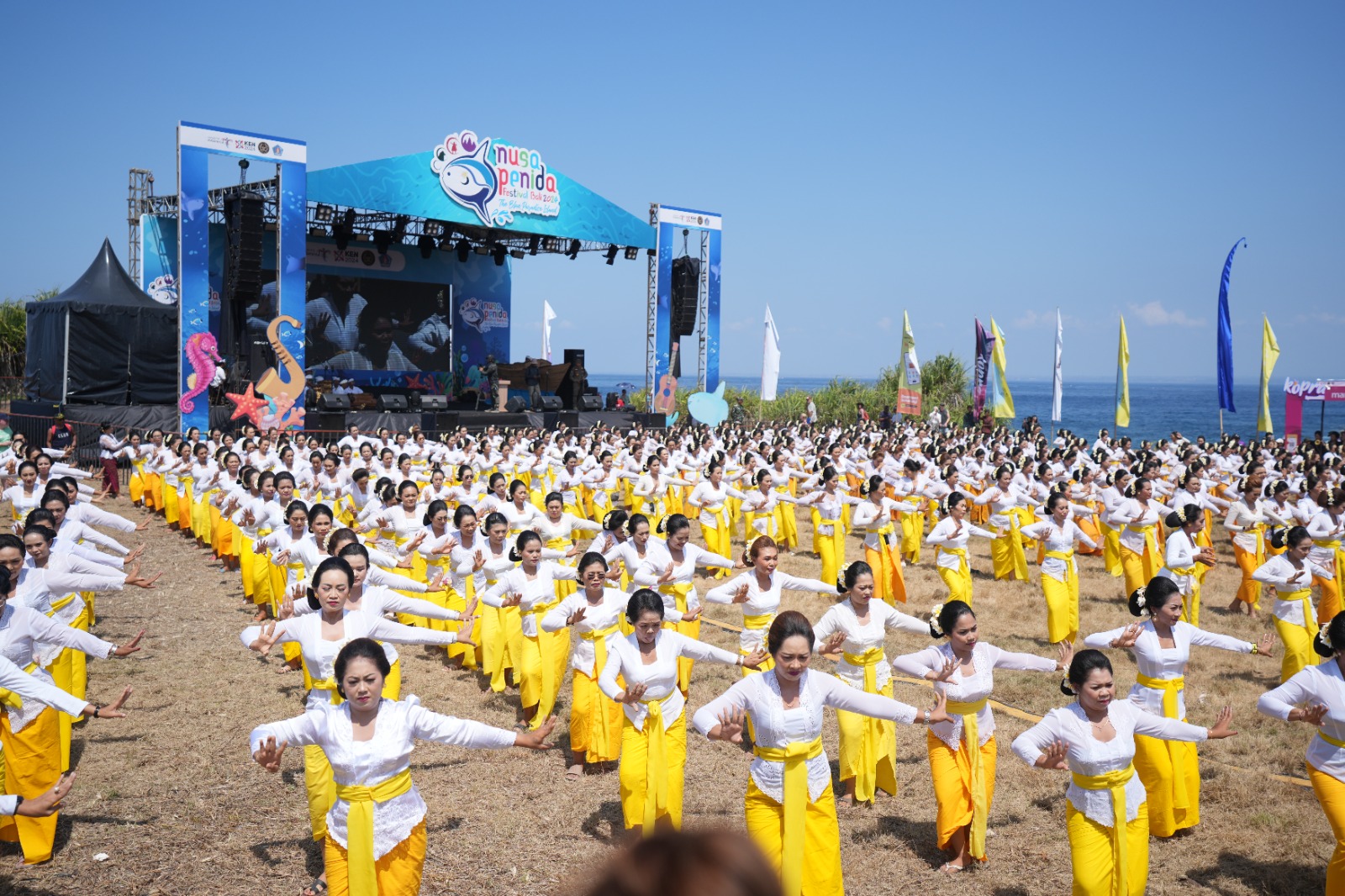
Bali’s cultural heritage expresses itself vividly through daily rituals, traditional festivals, and performing arts. Ceremonies such as Nyepi (Day of Silence) and Galungan celebrate spiritual renewal and ancestral reverence.
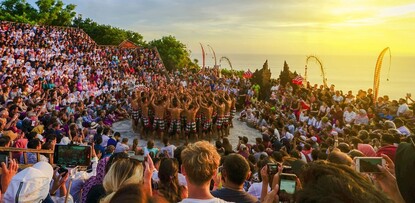
Traditional dances like Legong, Kecak, and Barong convey stories from Hindu epics, while gamelan music — a layered ensemble of percussion instruments — accompanies rituals and performances with rhythmic spiritual depth.
Living Cultural Practices
Life in Bali is itself a cultural experience. Daily rituals such as canang sari offerings reflect gratitude and spiritual balance. Community gatherings at the banjar village council reinforce cooperation and mutual support during festivals and ceremonies.
These living practices make Bali’s heritage not merely historical, but active and evolving — embedded in daily life and continually passed down through generations.
Bali’s cultural heritage is a tapestry woven from spiritual rituals, community traditions, sacred temples, and sustainable lifestyles that have endured for centuries. From the tranquility of ancient temples to the cooperative rhythms of Subak rice terraces and vibrant performing arts, Bali’s heritage offers a deep insight into the soul of the island. Discovering this heritage means connecting with a living culture that honors harmony between people, nature, and the spiritual world.