








Kamoro Wood Carving is one of the most distinctive cultural expressions from the coastal region of central Papua. Known for its dynamic details, bold contours, and deeply symbolic motifs, this art form reflects the Kamoro people’s close relationship with the sea, the land, and ancestral spirits. Each carving carries stories and values that have been passed down for generations.
In recent years, Kamoro Wood Carving has gained wider appreciation as an important component of Indonesia’s cultural heritage. Its unique visual identity and rich philosophical meaning make it a compelling attraction for cultural travelers, researchers, and art enthusiasts.
What is Kamoro Wood Carving
Kamoro Wood Carving originates from the Kamoro people of Mimika, a coastal region in Papua. The carvings typically use local mangrove wood, forest hardwood, or dense coastal timber that can withstand humid climates.
Common motifs include human figures, marine animals, and organic shapes that symbolize the community’s relationship with nature. Human figures often represent ancestors or key cultural leaders, while fluid curves and repetitive lines evoke the rhythm of coastal life.
One of the most recognizable features of Kamoro Wood Carving is its expressive, elongated style with strong contours. Many pieces are enhanced with natural pigments—often red, black, or white—to emphasize specific details and strengthen the visual impact. Beyond decoration, these carvings serve important purposes in rituals, initiation ceremonies, and traditional house ornamentation.
History
The carving tradition among the Kamoro people traces back to their earliest cultural practices. Historically, carvings played a central role in spiritual life, particularly in honoring ancestors, invoking protection, or marking key life transitions such as birth, marriage, and death.
By the mid-20th century, interest from anthropologists and cultural researchers helped bring broader attention to Kamoro art. However, the essence of the craft continued to be preserved through community practices, with knowledge passed directly from artisans to younger generations.
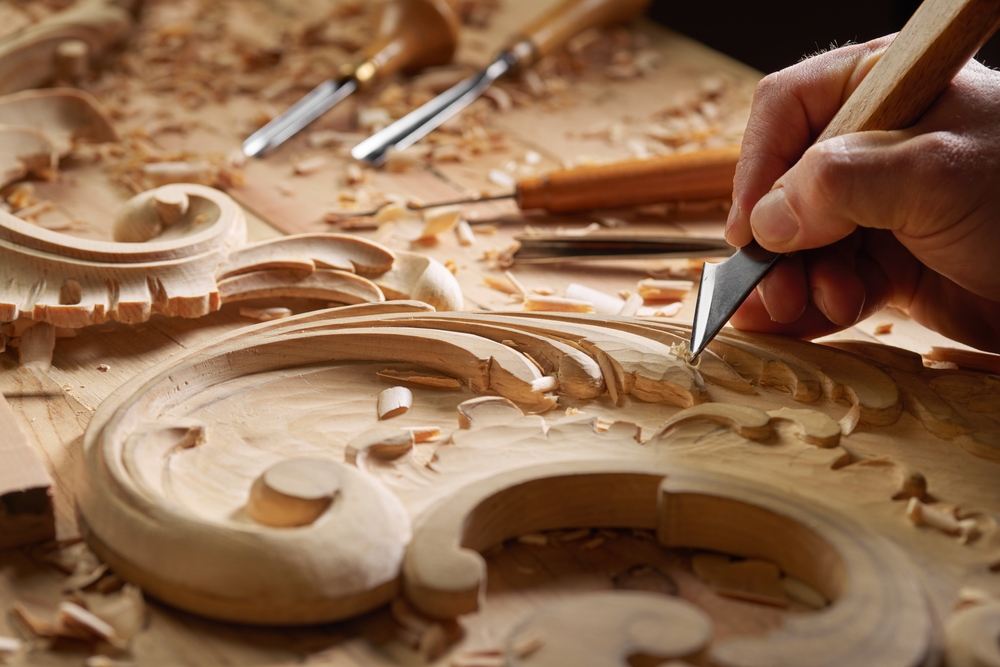
In the modern era, Kamoro Wood Carving has experienced cultural revitalization through local art studios, community workshops, and regional festivals. Increased tourism in Mimika allows visitors to observe the carving process and understand its meanings directly from local craftsmen. Government and cultural institutions now actively promote Kamoro Wood Carving as part of Papua’s intangible heritage.
Kamoro Wood Carving is a living cultural identity of Papua’s coastal communities. Its craftsmanship, symbolism, and expressive style make it one of the most valuable cultural assets from Eastern Indonesia. Preserving and promoting this art form not only safeguards tradition but also strengthens Indonesia’s cultural tourism through authentic and meaningful experiences.