



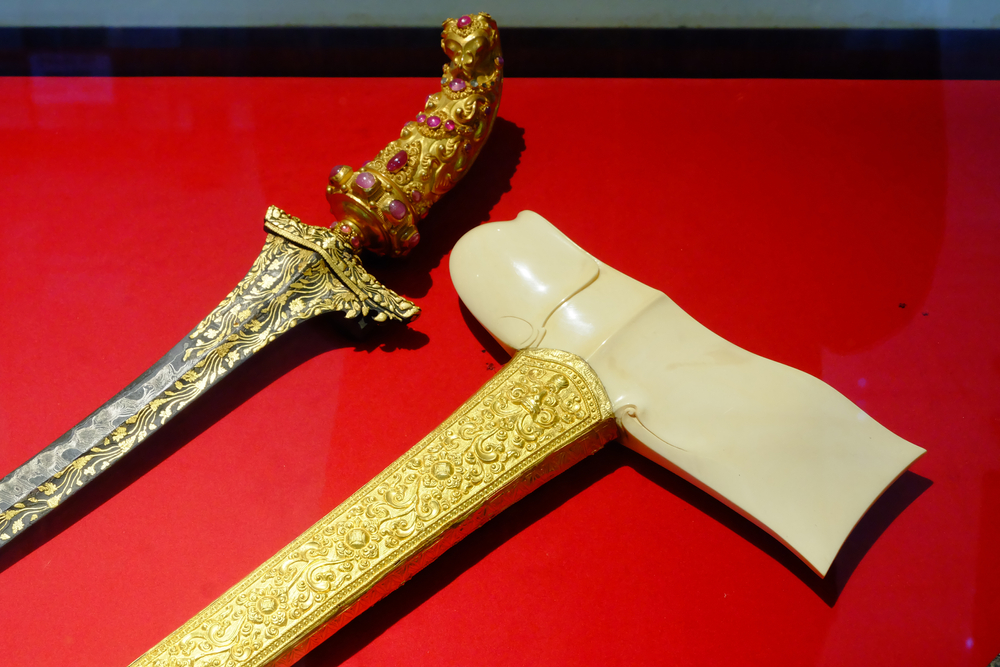
Indonesia is widely known for its rich and diverse cultural heritage, one of which is the keris. As a symbol of identity, philosophy, and artistic mastery, the keris has been internationally recognized as an essential part of Indonesian civilization. This global recognition has encouraged the establishment of dedicated cultural institutions to safeguard and promote this heritage.
Museum Keris Nusantara in Surakarta stands as a cultural landmark dedicated to preserving the values, history, and meaning of the Indonesian keris. Beyond being an exhibition space, the museum functions as an educational center, cultural literacy hub, and heritage tourism destination for local and international visitors.
Historical Background of Museum Keris Nusantara
Museum Keris Nusantara was officially inaugurated on 9 August 2017 by the President of the Republic of Indonesia, Joko Widodo. Its establishment followed UNESCO’s recognition of the Indonesian Keris as an Intangible Cultural Heritage of Humanity.
Surakarta was chosen due to its strong historical ties to Javanese culture and its longstanding role in the development of keris traditions across the archipelago.
Museum Keris Nusantara is a specialized museum focusing on the preservation and dissemination of keris-related cultural knowledge. The museum is owned by the Government of Surakarta City and managed by the Department of Culture and Tourism of Surakarta City. It is officially registered under the National Museum Registration Number (NPNM) 33.72.K.05.0236.
As a Type B museum, it plays a strategic role in regional cultural education and heritage management.
Museum Type and Classification
Classified as a Special Museum, Museum Keris Nusantara centers its interpretation on the keris as a singular cultural theme. Its Type B status reflects its responsibility in cultural education, research support, and heritage communication at the regional level.
Collection and Exhibition Approach
At present, Museum Keris Nusantara has not recorded permanent physical collections. Nevertheless, the museum remains active through interpretive exhibitions, historical narratives, visual documentation, and educational spaces that explain the philosophy, symbolism, and cultural functions of the keris.
This approach positions the museum as a knowledge-based institution, emphasizing understanding over object display.
Vision and Mission of Museum Keris Nusantara
The vision of Museum Keris Nusantara is:
“To build a culturally aware and progressive society while maintaining Indonesia’s national identity.”
To achieve this vision, the museum carries out several missions:
- Developing the museum as an educational space, knowledge source, and cultural tourism destination.
- Preserving cultural heritage objects and historic buildings.
- Promoting Indonesia’s cultural heritage to domestic and global audiences.
- Implementing good and transparent museum governance.
- Delivering excellent public services.
Museum Keris Nusantara represents Indonesia’s dedication to safeguarding the keris as a living cultural legacy. Through education and storytelling, the museum bridges tradition and modernity, ensuring that keris values remain meaningful today.
As a cultural tourism destination in Surakarta, the museum is ideal for solo travelers, friends, and families seeking a deeper understanding of Indonesian heritage. Its presence enriches the nation’s cultural landscape and strengthens the global recognition of the keris as a timeless symbol of Nusantara identity.