




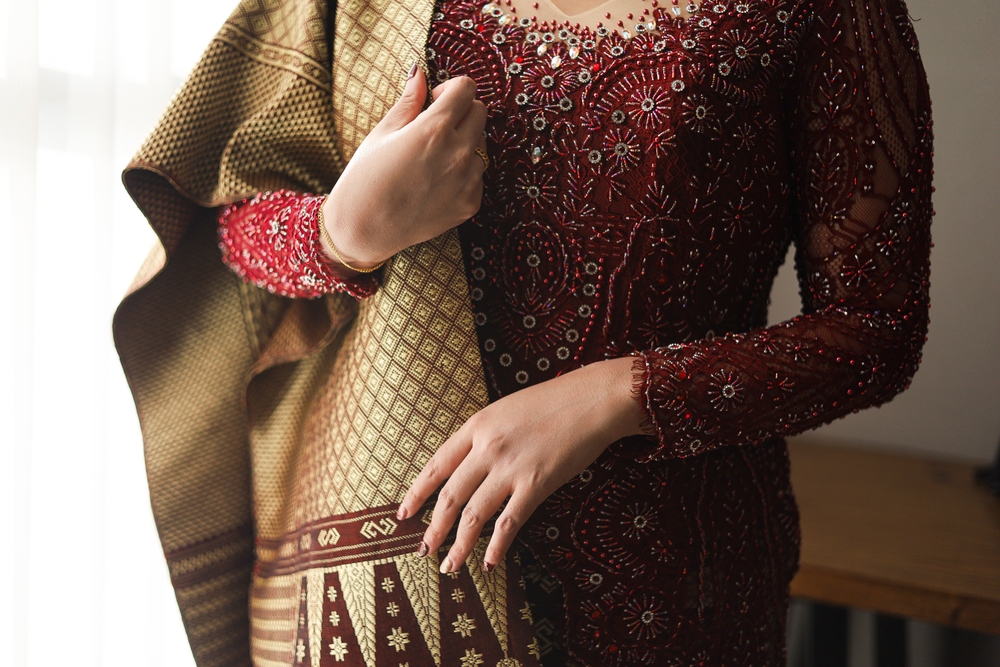
Ulos fabric is a traditional Batak handwoven textile that symbolizes blessing and cultural identity. As an ancestral heritage, this fabric is present in every significant life moment, from birth and marriage to death.
Each piece of Ulos carries deep philosophy through its unique blend of colors and geometric motifs. Its aesthetic appeal has now gained international recognition, making it a proud creative product of North Sumatra that every art lover should own.
The History and Philosophy of Ulos Fabric
The history of Ulos began with the needs of the Batak people living in the cold mountains for body warmth. Initially, Ulos served as a functional blanket before eventually evolving into a sacred symbol in various important traditional ceremonies.
For the Batak community, Ulos is believed to possess the power to provide warmth and protection for the wearer's soul. The fabric is regarded as a medium for prayers and blessings from ancestors, which is why the presentation process (mangulosi) is always performed solemnly.
The color philosophy in Ulos is profound, generally dominated by red, black, and white. Red symbolizes bravery, black represents leadership or mourning, while white signifies purity and sincerity in building relationships.
Each manually woven geometric motif holds a specific meaning related to the Dalihan Na Tolu social structure. This makes a piece of Ulos a living identity that records history, social status, and great hopes for the continuity of the Batak generations.
Related article: Ulos Weaving (Toba)
Various Motifs and Types of Ulos Fabric
The following are various motifs and types of Ulos fabric traditionally woven by the Batak people:
1. Ulos Sibolang
Ulos Sibolang is one of the most commonly found types of Batak fabric due to its highly flexible function. This fabric is characterized by a dark blue or black base color with arrow motifs symbolizing firmness and protection.
This cloth is traditionally made by artisans in the Tapanuli and Samosir regions using backstrap looms (gedogan). The process requires high precision in blending cotton threads to produce neat geometric patterns and a durable texture.
Besides functioning as a shawl or sarong, Ulos Sibolang holds symbolic meaning as an appreciation for someone's services in traditional events, as well as an award or a sign of mourning.
2. Ulos Ragi Hotang
Ulos Ragi Hotang, also known as the spotted rattan cloth, features wide edges with beautiful fringes. This fabric is a symbol of the bond of affection, reflecting the hope that a husband and wife's relationship will be as everlasting as rattan.
In traditional Batak weddings, this Ulos is draped over the shoulders of the bride and groom as a prayer for a lasting marriage. Interestingly, this fabric is also often given as a form of gratitude during the birth of a baby boy as a symbol of protection and blessing.
Its deep meaning makes Ulos Ragi Hotang one of the most sought-after types of Ulos by tourists in North Sumatra. The beauty of its motifs and philosophy makes it a valuable souvenir and an authentic cultural keepsake from the Batak Land.
3. Ulos Ragidup
Ulos Ragidup, which means "pattern of life," is the highest caste of Ulos, symbolizing prayers for happiness. This fabric is usually worn by men, but in certain ceremonies, it can also be worn by women as a symbol of life's resilience.
Its characteristic lies in the intricate motifs with two contrasting fields at the top and bottom that are woven separately. The color combination is not merely decorative but represents the balance of life elements in Batak culture.
The process of making Ragidup is time-consuming and requires high expertise due to its strict pattern rules. This makes it a precious heirloom often passed down through generations as a sacred family identity.
Related article: Visit These 5 Villages to Witness the Intricate Beauty of Ulos!
The Production Process of Ulos Fabric
Traditionally, weaving Ulos is a task performed by women. The Batak people believe that the weaving process is closely linked to a woman’s role in nurturing the family, children, and the community.
Ulos fabric uses cotton threads and is colored by soaking the yarn in natural dyes derived from plants.
The color blue is made from the indigo plant, red from sappan wood and noni, and yellow from turmeric. Black is created by mixing noni with indigo, while green is a blend of indigo and turmeric.
Typically, the weaving process is done only during spare time, which means producing a single piece of Ulos can sometimes take months. This long and unique process gives Ulos its own distinctive character.
Many tourists are eager to learn about the process or even own a piece as a keepsake or souvenir. Traditional Ulos can still be found in three villages: Tongging, Paropo, and Silalahi, located on the northwestern coast of Lake Toba.
The Function of Ulos in Batak Culture
Ulos plays a profound role for the Batak people, categorized into three main functions:
1. Symbolic and Ceremonial Function
An inseparable part of the life cycle (Mangulosi), including weddings, births, and funeral rites.
2. Social and Status Function
An identity marker within the Dalihan Na Tolu custom, indicating roles such as Hula-Hula, Dongan Tubu, or Boru.
3. Practical and Aesthetic Function
Originally used as a blanket for warmth in the cold mountains, it is now used as ceremonial attire or modified into creative fashion products like bags and shoes.
How to Distinguish Authentic vs. Counterfeit Ulos
Ensuring the authenticity of Ulos is vital for the best quality. Here is how to tell the difference:
- Texture and Neatness: Authentic Ulos is slightly coarse and not always perfectly symmetrical due to being handmade. Counterfeits feel very smooth and slippery as they are mass-produced by machines.
- Natural Coloring: Authentic Ulos uses natural dyes that look deep but not flashy. Counterfeits often use chemical dyes that appear too bright and fade easily.
- Thread Detail: Authentic Ulos shows small knots or manual thread joins. Machine-made Ulos looks perfectly flat without any variation in thread thickness.
- Strength and Weight: Handwoven cloth is generally heavier and stronger due to the density of the traditional weave. Counterfeits feel much lighter and the fibers stretch or damage easily.
Related article: Huta Siallagan: Ancient Batak Village on Samosir Island
An exploration of North Sumatra is incomplete without getting to know Ulos, the traditional fabric of the Batak people. Arrange your personal itinerary using the AI Plan Your Trip feature and tailor it to your schedule and travel style.
In addition to that feature, you can ask about various things by using MaiA, which is ready to accompany you to ensure your exciting journey to North Sumatra. Ask about nearby destinations, traditional food, souvenir centers, and much more.