





The Tangkuban Perahu tourism area is one of the most iconic destinations in West Java, offering the grandeur of an active volcanic crater paired with refreshingly cool mountain air.
Located on the border of West Bandung and Subang, this site is a favorite choice for family travelers looking to enjoy extraordinary natural panoramas. Thanks to its easy access and complete facilities, this destination is perfect for a quick escape from the urban routine.
The Charm and History of Tangkuban Perahu
According to local legend, the history of Tangkuban Perahu began with the story of Sangkuriang, who fell in love with his own mother, Dayang Sumbi. When his love was rejected, Sangkuriang became furious and kicked the large boat he was building, causing it to overturn and turn into a mountain.
Geologically, this mountain was formed from the volcanic remnants of the ancient Mount Sunda, which erupted thousands of years ago. The name "Tangkuban Perahu" is derived from the Sundanese language, literally meaning "an overturned boat," matching the unique shape of its peak.
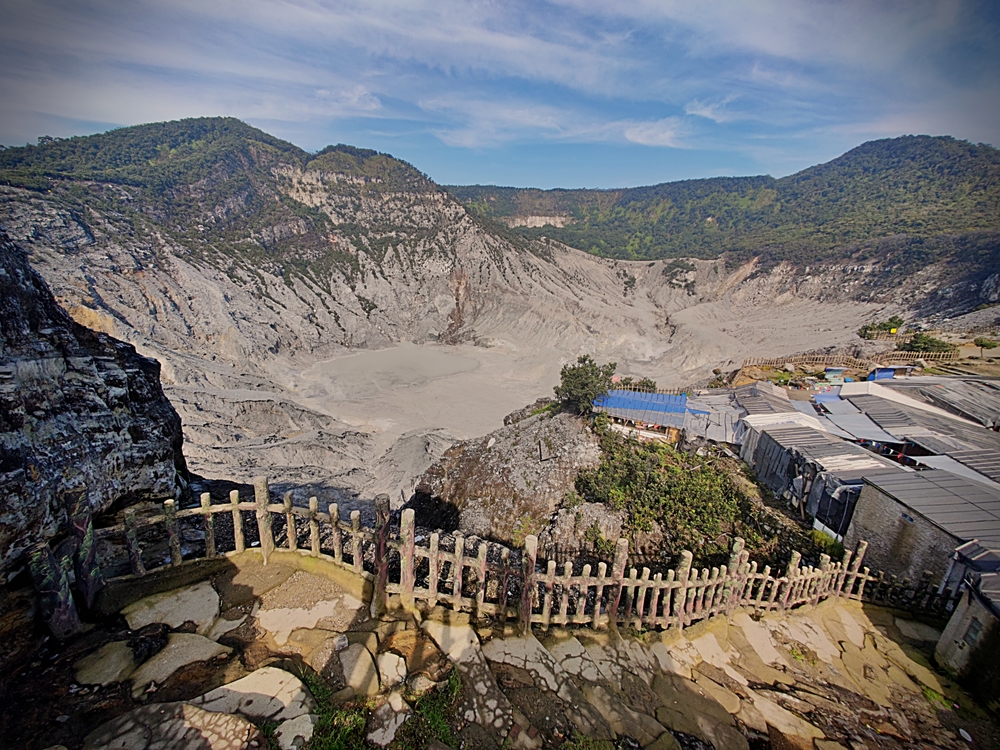
The main attraction of this destination is its exotic giant craters, such as Ratu Crater (the largest) and Upas Crater. Visitors can enjoy views of sulfurous cliff walls while breathing in the crisp mountain air.
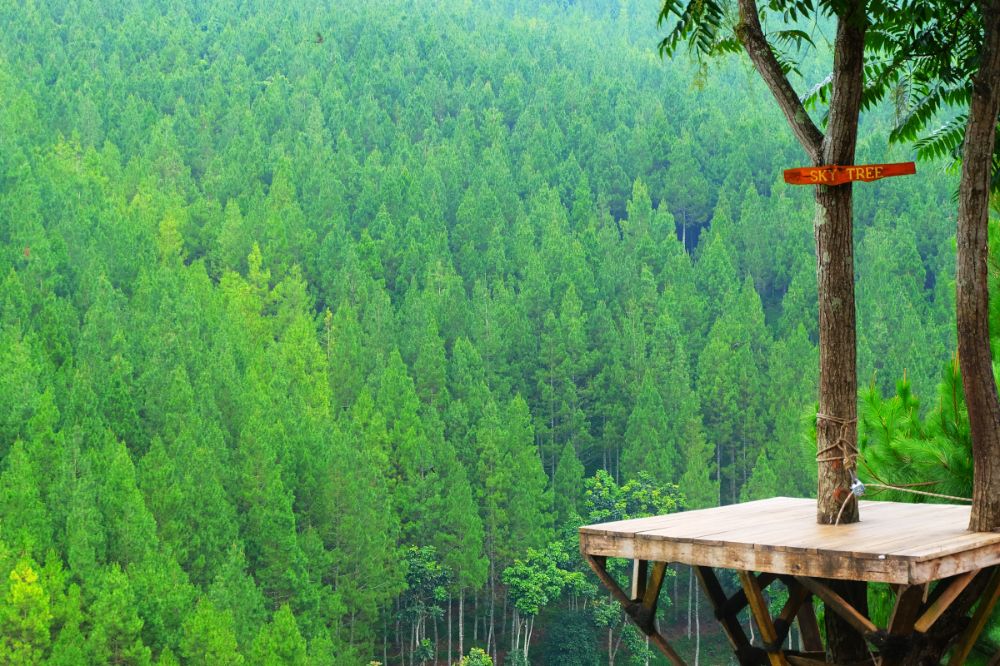
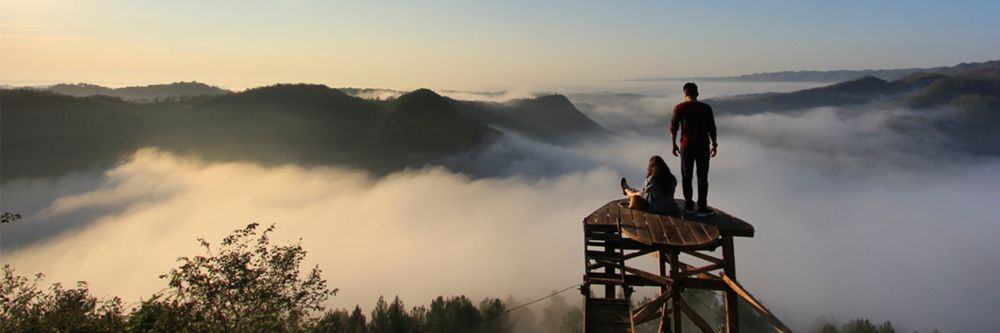
Beyond the craters, you can experience the sensation of boiling eggs in the natural hot springs of Domas Crater or take a leisurely stroll along the forest trails. The area is also equipped with numerous photo spots set against natural scenery and enchanting white mist.
Related article: 4 Fantastic Things To Do With Family in Kawah Putih Area
Things You Need to Know Before Visiting
Entrance fees for Tangkuban Perahu range from IDR 25,000 to IDR 30,000 for domestic tourists, while international tourists are charged between IDR 200,000 and IDR 300,000. These rates apply to weekdays, weekends, and national holidays. The area operates daily from 08:00 AM to 05:00 PM WIB.
In addition to ticket prices and operating hours, you need to ensure that your vehicle’s brakes and engine are in excellent condition before making the ascent. This is because the route to the crater includes fairly steep inclines.
Additionally, prepare a jacket or warm clothing, as the temperature at the mountain peak can drop drastically and suddenly.
As an additional tip, while you are in the tourist area, remain friendly but firm when responding to offers from vendors or tour guides if you do not need their services.
7 Fun Activities at Tangkuban Perahu
This tourism area is more than just a place to admire mountain panoramas. On the contrary, there are several other healthy and fun activities you can do, including:
1. Hunting for Instagrammable Photos at Ratu Crater
Taking beautiful photos with the iconic Kawah Ratu as your backdrop is something you should not miss while you are here. Access to this site is very easy, and the parking area is located quite close to the wide crater rim.
Surrounded by dark, unique trees affected by sulfur content, this place offers a striking and scenic view. If you are lucky, you may even spot a black lutung swinging freely among the nearby tree branches.
Address: Jl. Gn. Tangkuban Perahu, Cicadas, Subang, West Java.
Operational Hours: 08:00 AM – 05:00 PM WIB.
2. Enjoying Local Culinary Delights by the Crater
After you are satisfied with your photoshoot, it is time to rest while sipping a warm cup of coffee or tea accompanied by a plate of crispy fritters. The chilly mountain air makes this relaxing activity feel incredibly enjoyable and calming.
A row of food and drink stalls can be found in the main area of Kawah Ratu. Here, you can enjoy tasty snacks while admiring the majestic view of Mount Tangkuban Perahu from above.
3. Mud Massage Relaxation at Domas Crater
Located about 1 kilometer below Ratu Crater, Domas Crater offers the experience of soaking your feet in natural hot spring pools. You can also try a therapeutic foot massage using sulfuric mud to relax your muscles before hiking back up.
Another unique activity that is a must-try is boiling eggs directly in the boiling hot springs. It is highly recommended to hire a local guide to ensure your journey through this crater area is safer and well-directed.
Address: Ciater, Subang Regency, West Java.
Operational Hours: 08:00 AM – 05:00 PM WIB.
4. Soaking in the Ciater Hot Springs
After exploring the crater, you can unwind by soaking in the Ciater Hot Springs. The water flows directly from the mountain slopes, reaching refreshing temperatures of up to 42.5 degrees Celsius.
These springs are believed to have therapeutic properties for skin health and joint pain relief. Located only about 7 kilometers from the mountain area, it is the perfect closing choice for a family holiday.
Address: Jl. Raya Ciater, Nagrak, Subang, West Java.
Operational Hours: 06:00 AM – 10:00 PM WIB.
5. Camping and Water Fun at Capolaga
Situated on the north side of the mountain, Capolaga offers a camping area amidst soothing green natural scenery. You can witness crystal-clear rivers flowing between three beautiful waterfalls: Curug Karembong, Sawer, and Goa Badak.
Outdoor activities such as flying fox, trekking, and water therapy are ready to complete your holiday fun with friends. This place is ideal for families who want to enjoy a tropical forest atmosphere that remains pristine.
Address: Panaruban Village, Cicadas, Subang, West Java.
Operational Hours: 08:00 AM – 05:00 PM WIB (Camping area open 24 hours).
6. Light Hiking to Upas Crater
For those who enjoy light physical challenges, hiking toward Upas Crater is a healthy way to enjoy the other side of the mountain. The gentle trails and clean air help improve oxygen circulation and physical fitness.
Compared to Ratu Crater, Upas Crater has a quieter and more serene atmosphere, making it perfect for nature meditation. The view of the towering crater walls leaves a grand and unforgettable impression on hikers.
Address: Tangkuban Perahu TWA Area.
Operational Hours: 08:00 AM – 05:00 PM WIB.
7. Exploring Tea Plantations Along the Main Route
Before reaching the entrance gate, you will pass through vast, green tea plantations in the Ciater area. Taking a leisurely morning walk or "tea walk" is an excellent activity to refresh your lungs.
The sprawling green tea leaves provide a relaxing effect on the eyes and help reduce stress from daily routines. Do not forget to stop for a moment to capture memories among the fresh, misty tea buds.
Address: Raya Subang - Bandung Route (Ciater Area).
Operational Hours: 24 Hours (Outer plantation area).
Related article: White Crater
Travel Tips for Tangkuban Perahu
Here are several tips for visiting Mount Tangkuban Perahu to ensure your adventure is safe and comfortable:
1. Arrive Early in the Morning
It is highly recommended to arrive around 08:00 AM so you can enjoy the fresh air and crater views before they are covered by thick mist. Additionally, you can avoid traffic and weekend crowds.
2. Wear Comfortable Footwear
The path around the crater can be rocky and slippery after rain. To stay safe, it is recommended to wear sports shoes or hiking sandals during your visit. Avoid wearing slippery shoes or thick heels so you can move more steadily and keep your feet from getting tired quickly.
3. Always Keep a Mask in Your Bag
The smell of sulfur from the crater can be sharp and may interfere with breathing depending on the wind direction. Wearing a mask will protect you from pungent volcanic gases, keeping your exploration comfortable.
4. Prepare Enough Cash
While some facilities accept digital payments, cash is still needed for parking, local guides, or snacks at small stalls. This will ease your transactions in areas where the internet signal may be limited.
5. Monitor Volcanic Activity Status
Before departing, ensure you check the latest information regarding the activity status of Mount Tangkuban Perahu through official websites or the management's social media. Safety is the top priority.
Is Tangkuban Perahu Safe for Children?
Generally, the Tangkuban Perahu tourism area is safe for children, provided they remain under strict adult supervision while near the crater rim. The well-maintained paths that reach close to the parking area make it easy for parents to bring children without requiring heavy hiking.
However, children's health factors must be considered, as the sulfur aroma is quite strong around Ratu Crater. If a child has a history of asthma or is sensitive to pungent odors, they should wear a protective mask and avoid staying too close to the crater smoke for long periods.
Furthermore, ensure children wear warm clothing because the peak's temperature is quite cold for toddlers unaccustomed to mountain weather. As long as safety rules are followed and children stay on the designated paths, a holiday here will be an enjoyable nature education experience.
Related article: 17 Artsy Hotels in Bandung that Will Make You be Instagram Darling
The best travel tips for visiting the Tangkuban Perahu area can be obtained by accessing our advanced assistant feature, MaiA. You can engage in Q&A and get personalized recommendations.
Additionally, you can utilize the AI Plan Your Trip feature to create a custom itinerary if traveling with family. Tailor your itinerary to your holiday style, time, and interests to make your adventure even more exciting!