








Islamic Events
Discover inclusive celebrations across Indonesia.
Other Islamic Events


























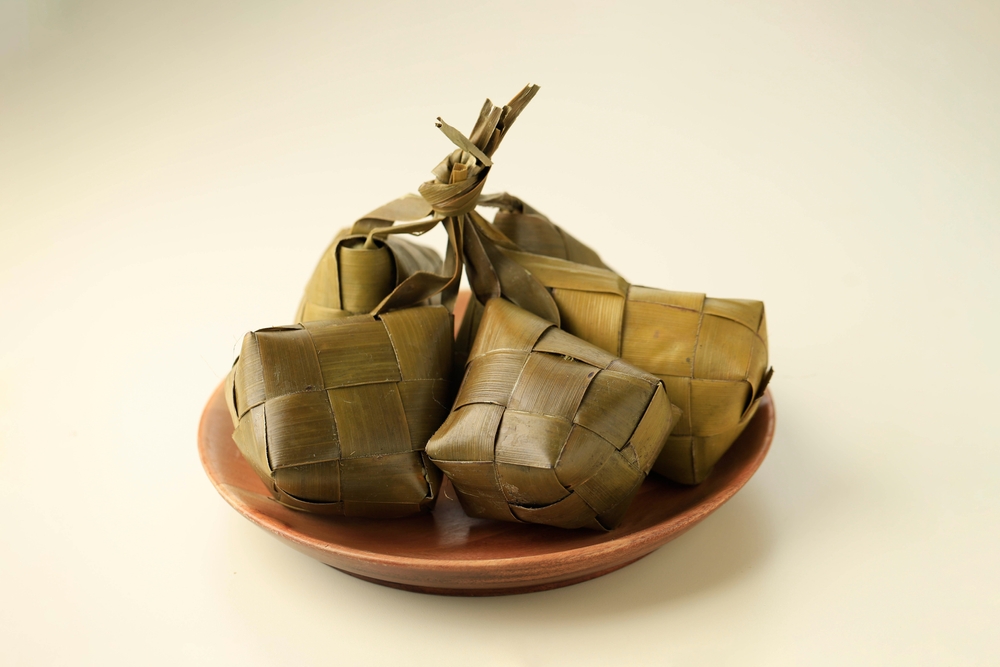
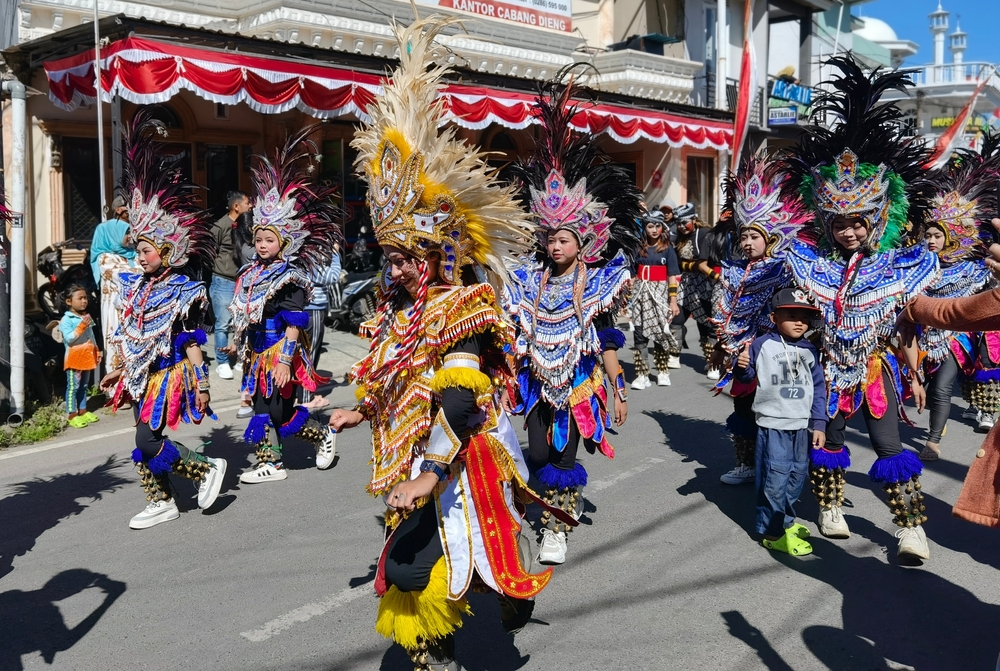
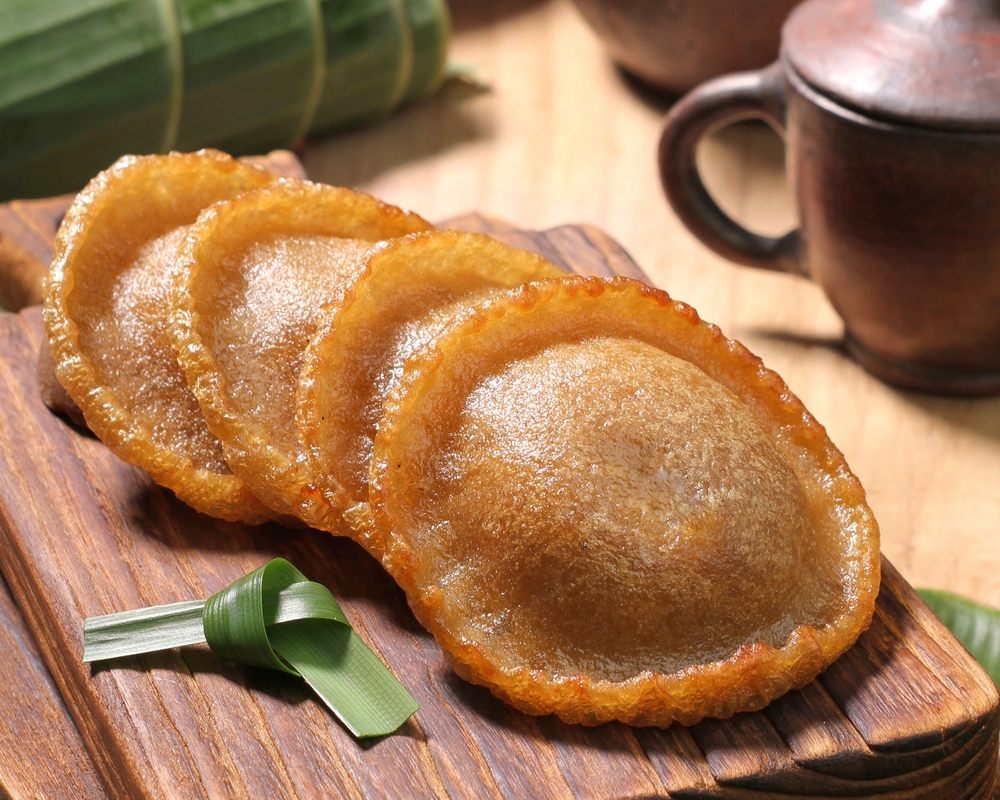
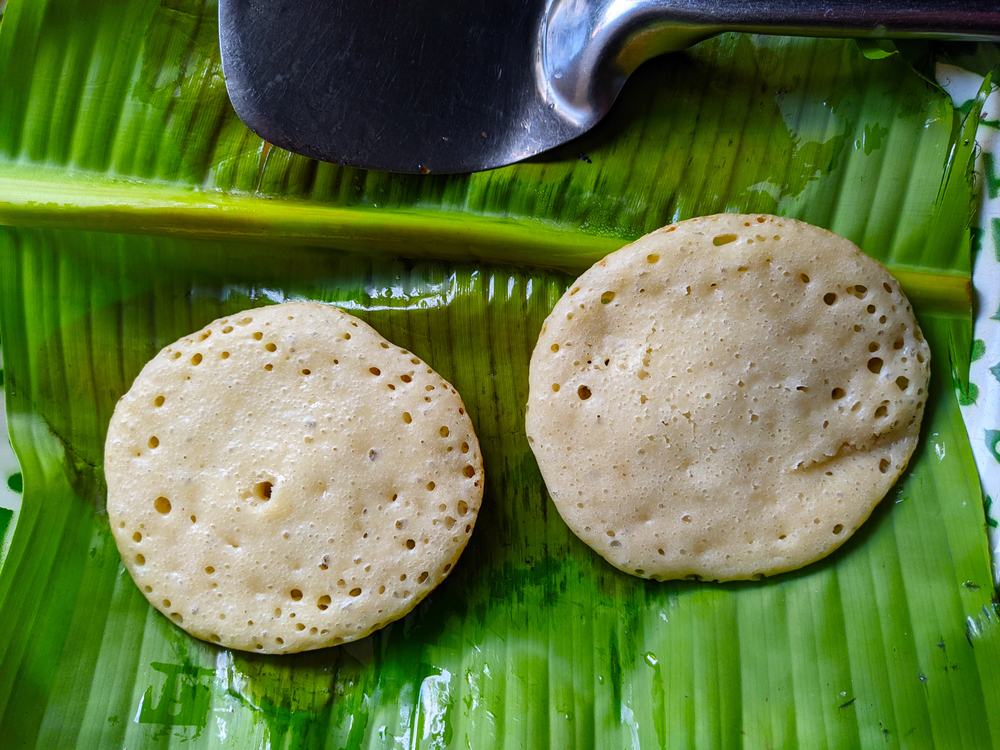
























FAQ: A Guide to Islamic Religious and Muslim-Friendly Events in Indonesia
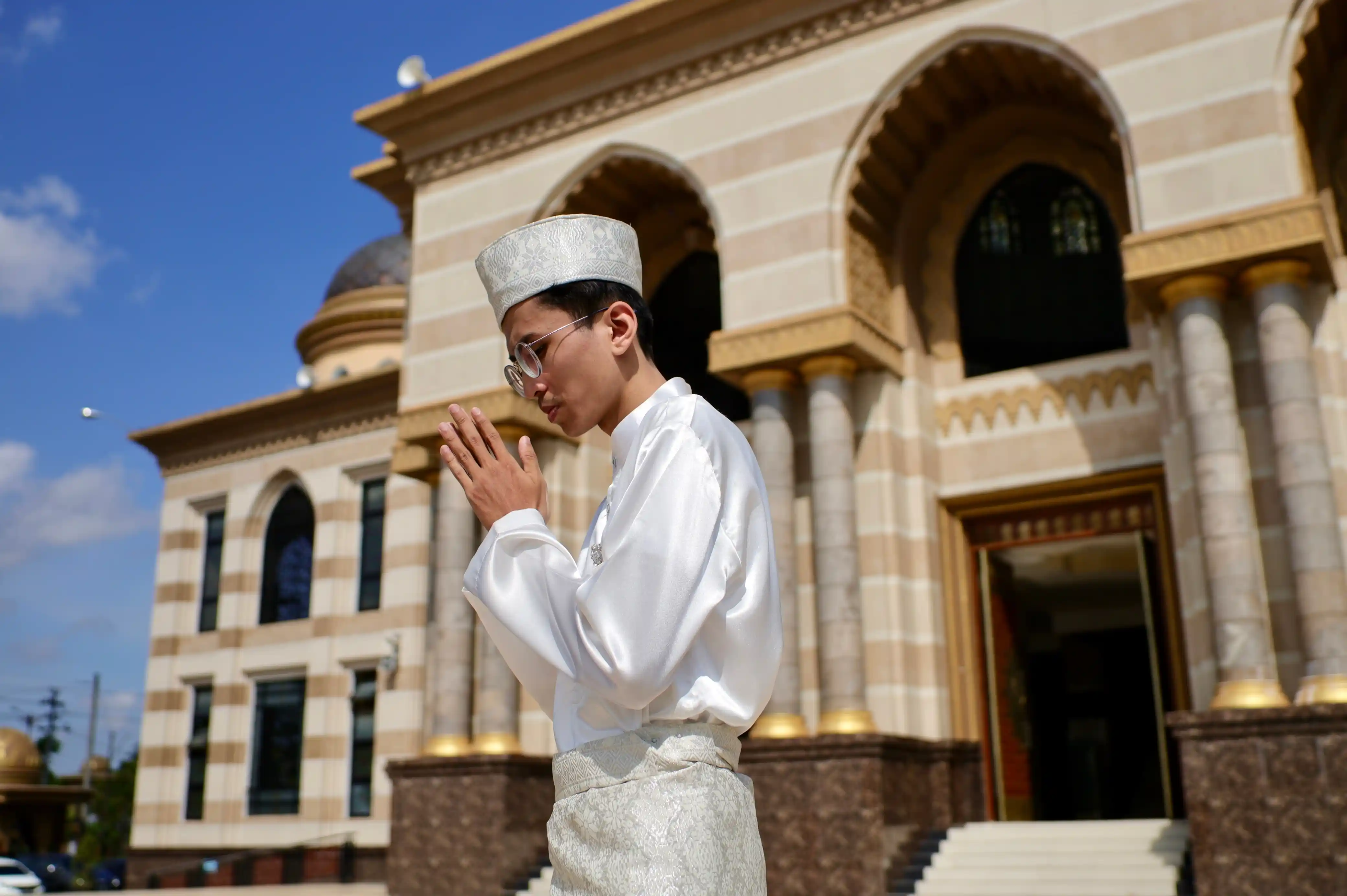
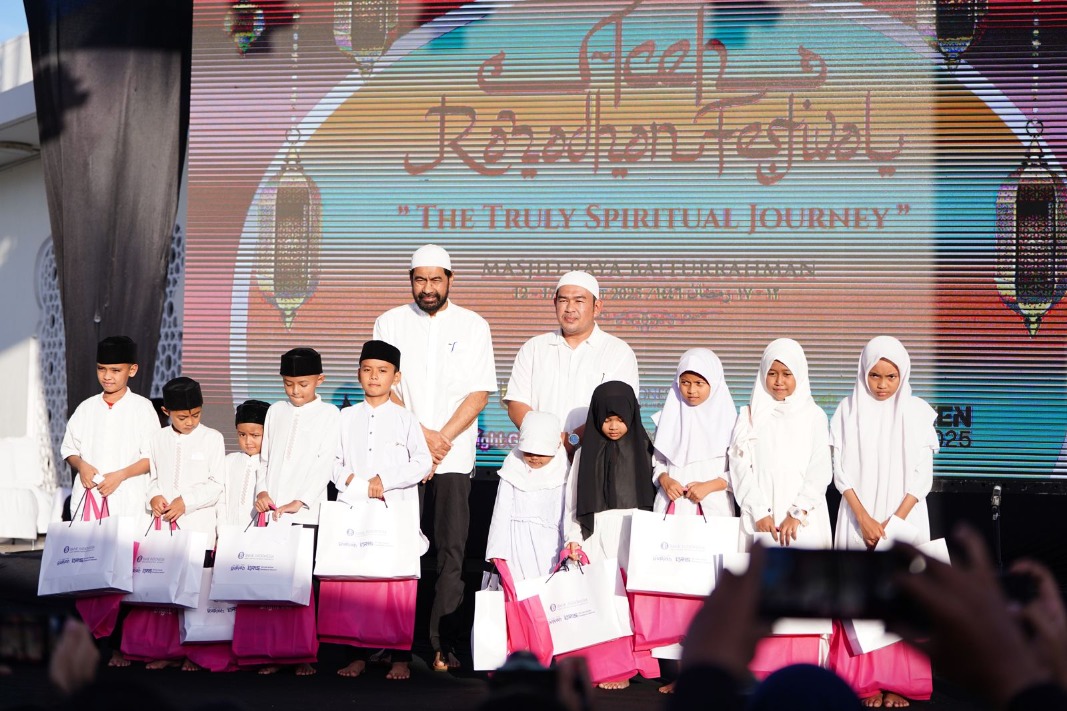
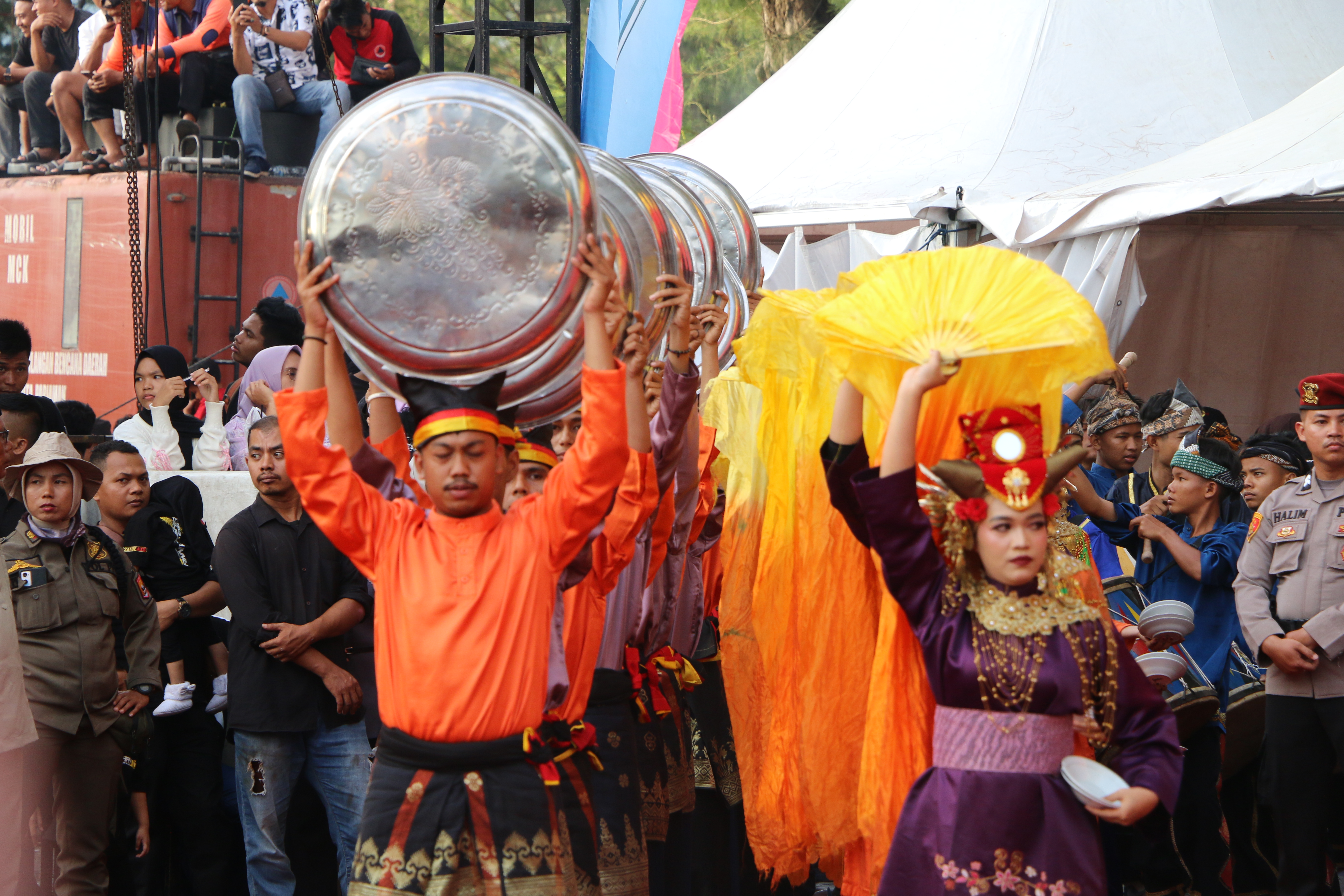
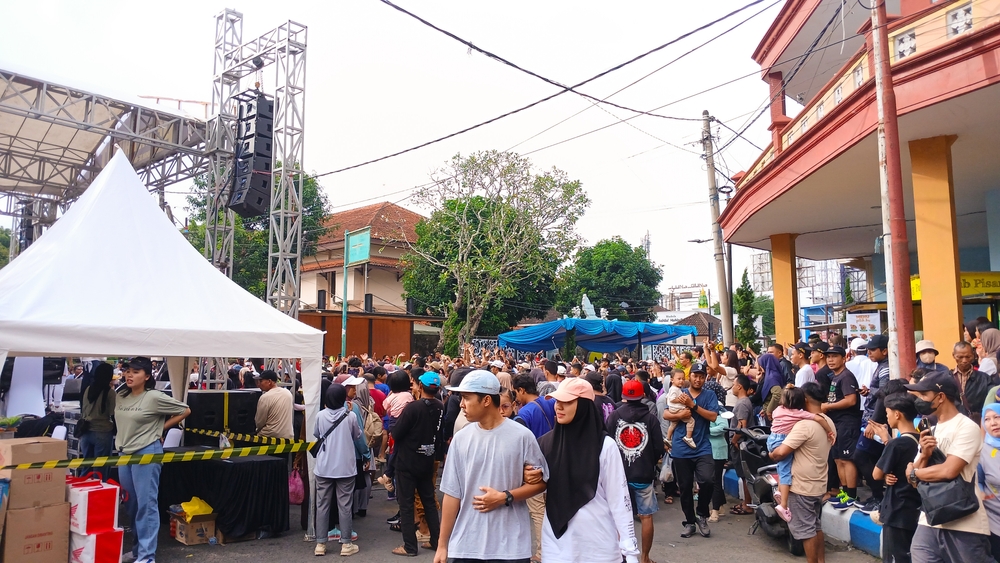
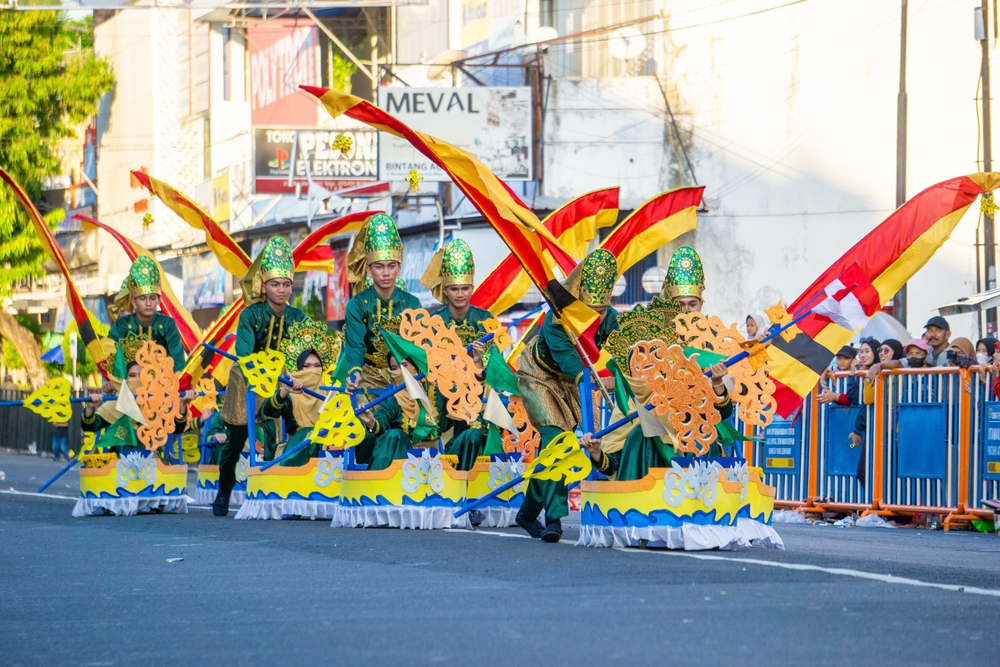
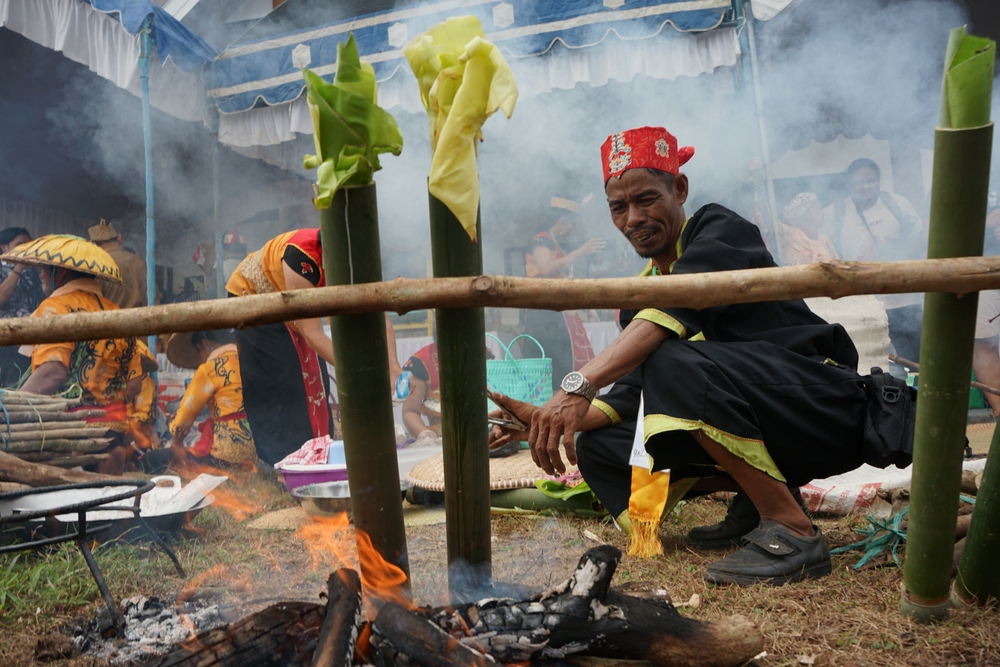
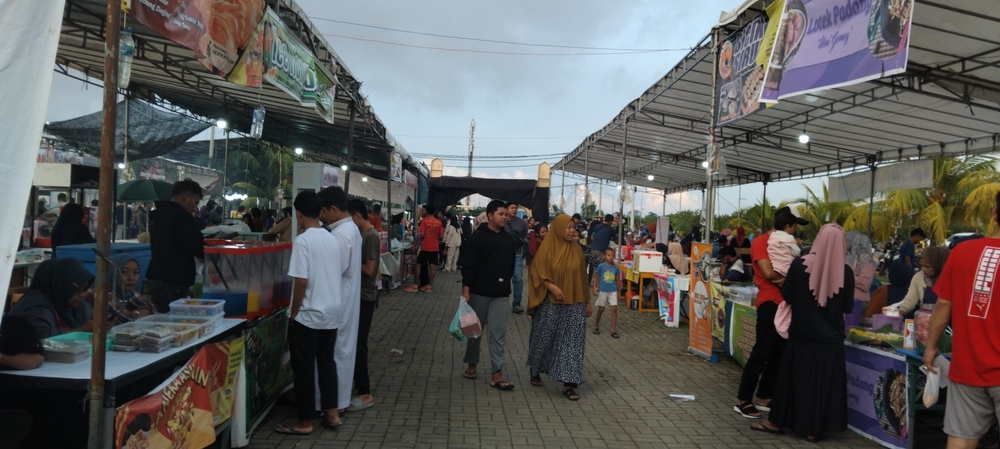
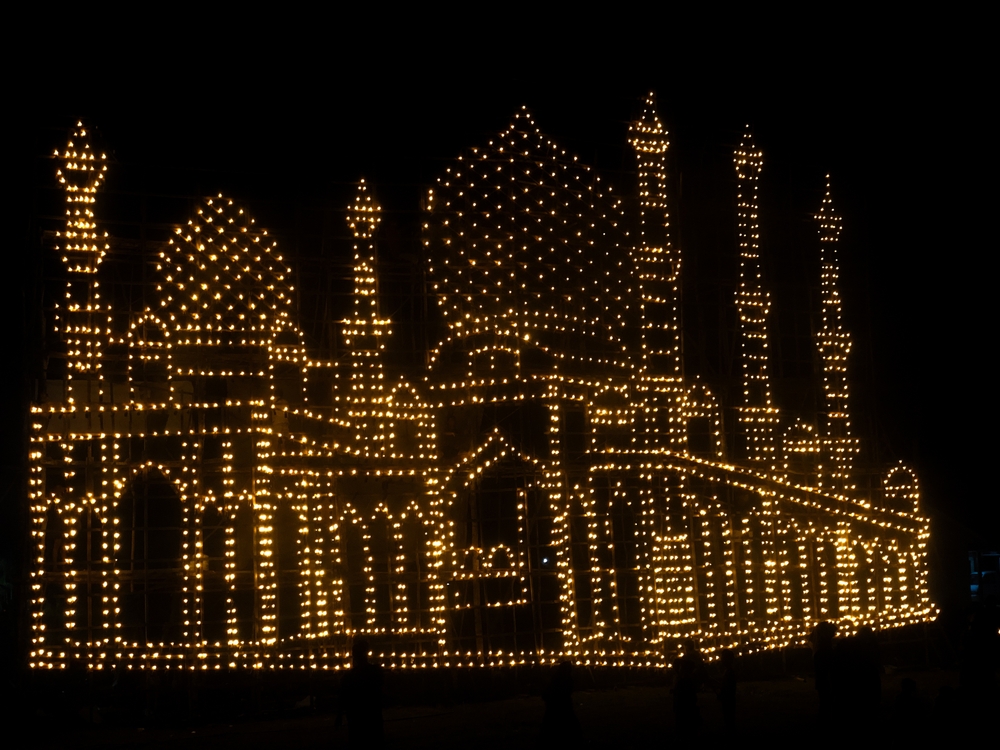
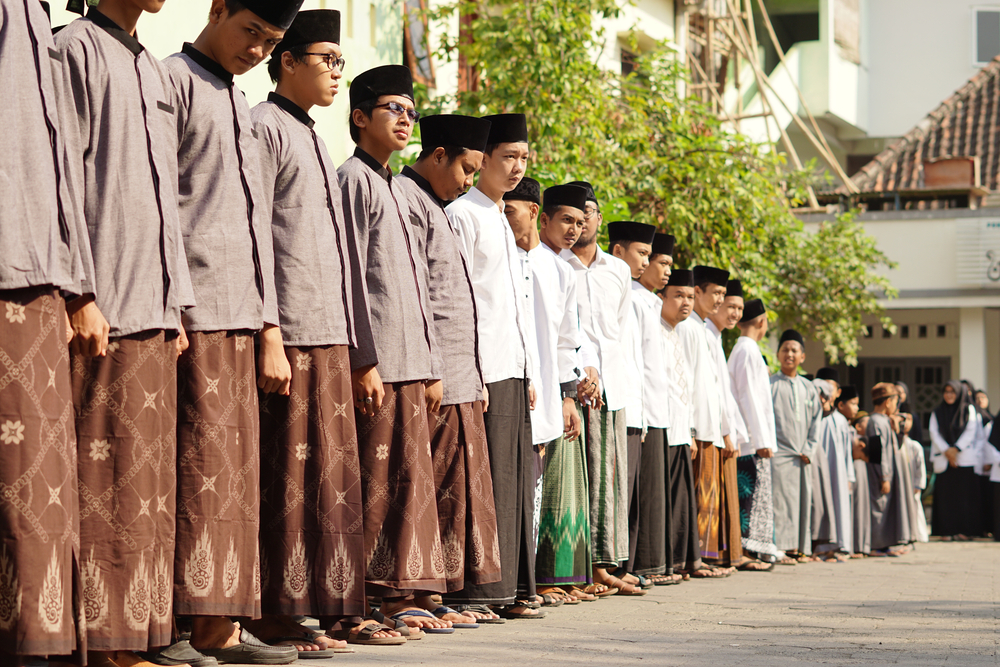
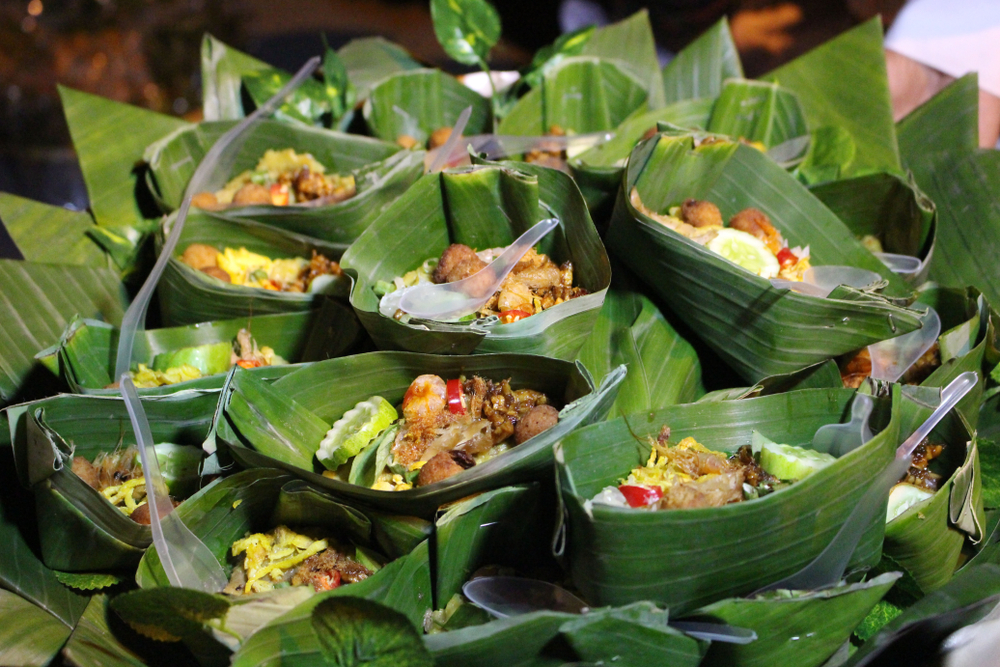
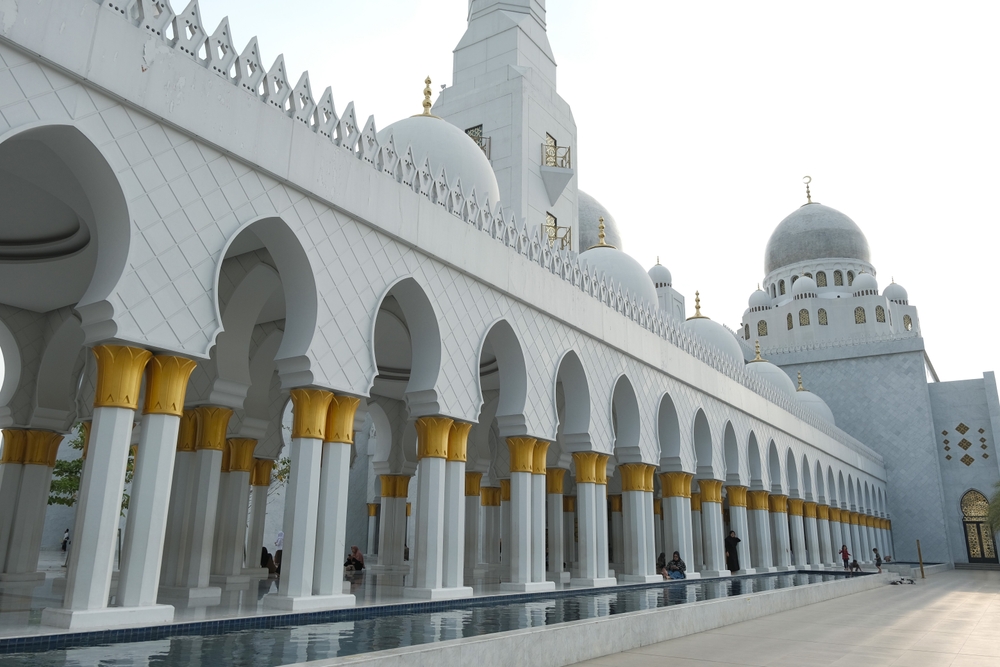
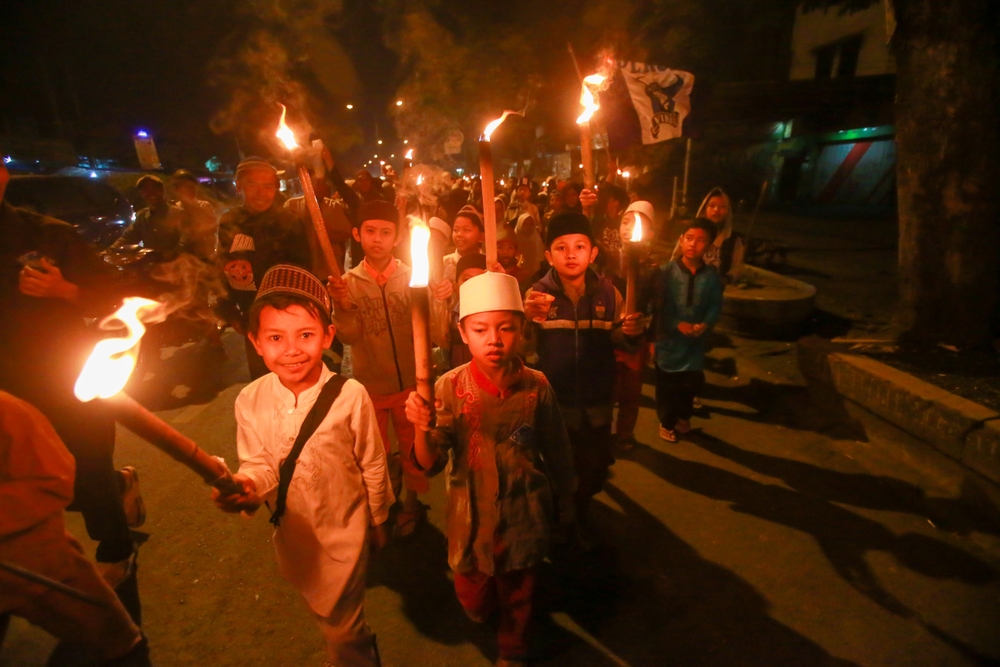
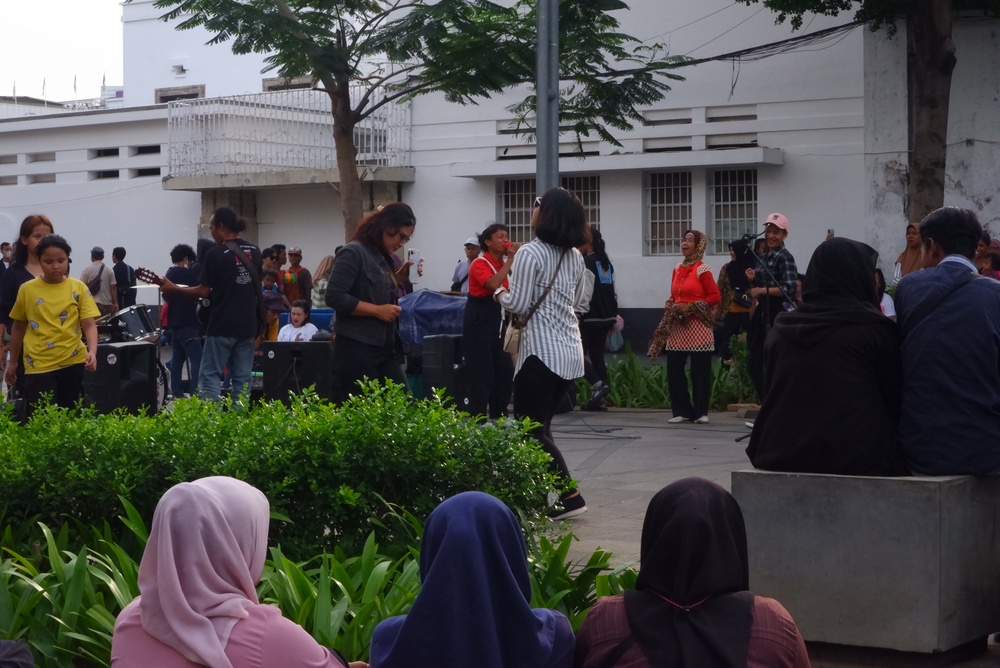
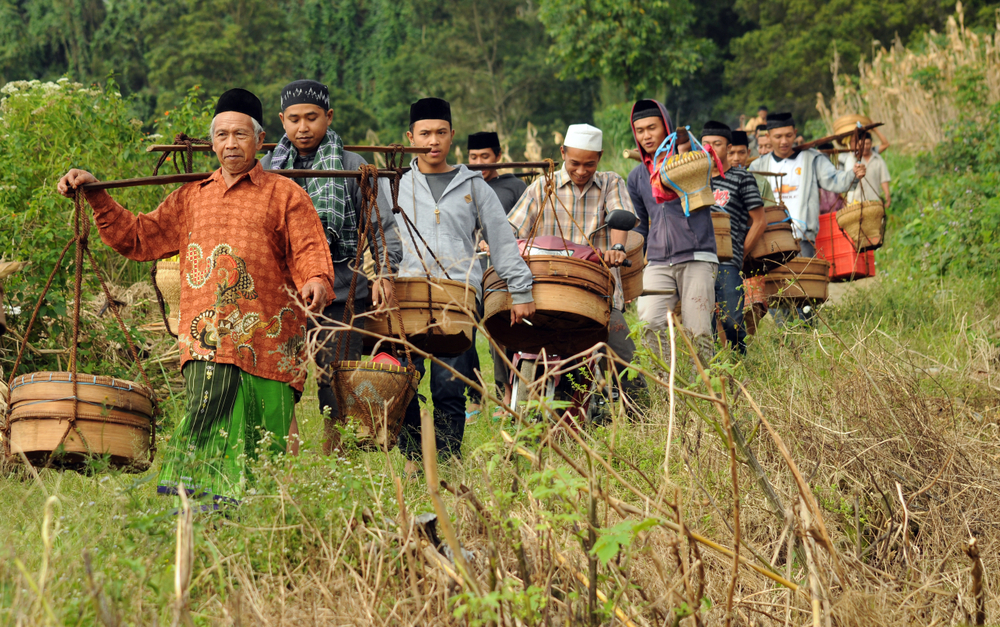
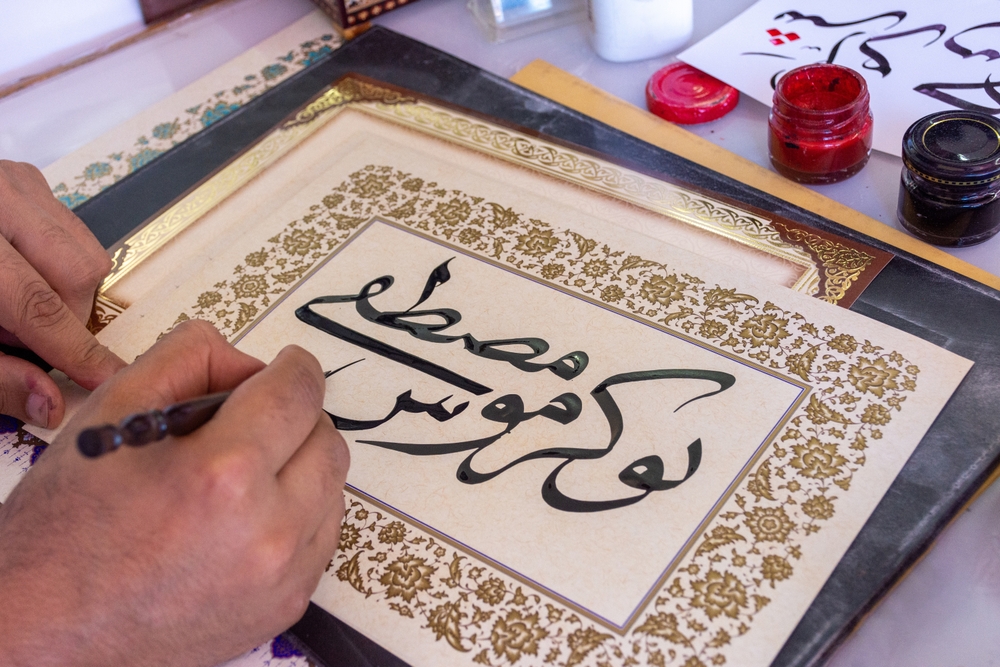
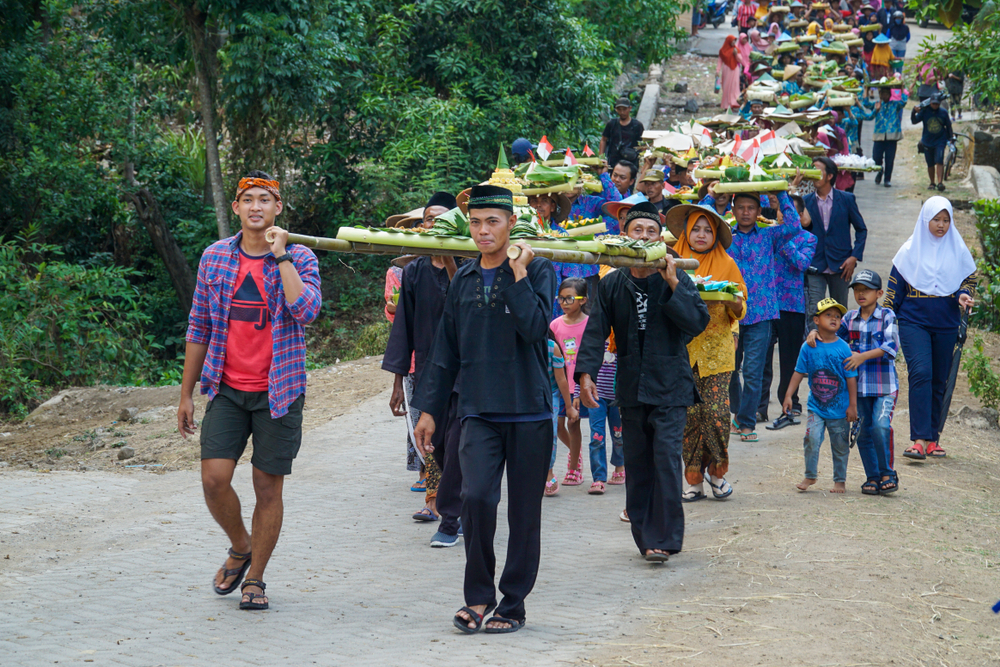
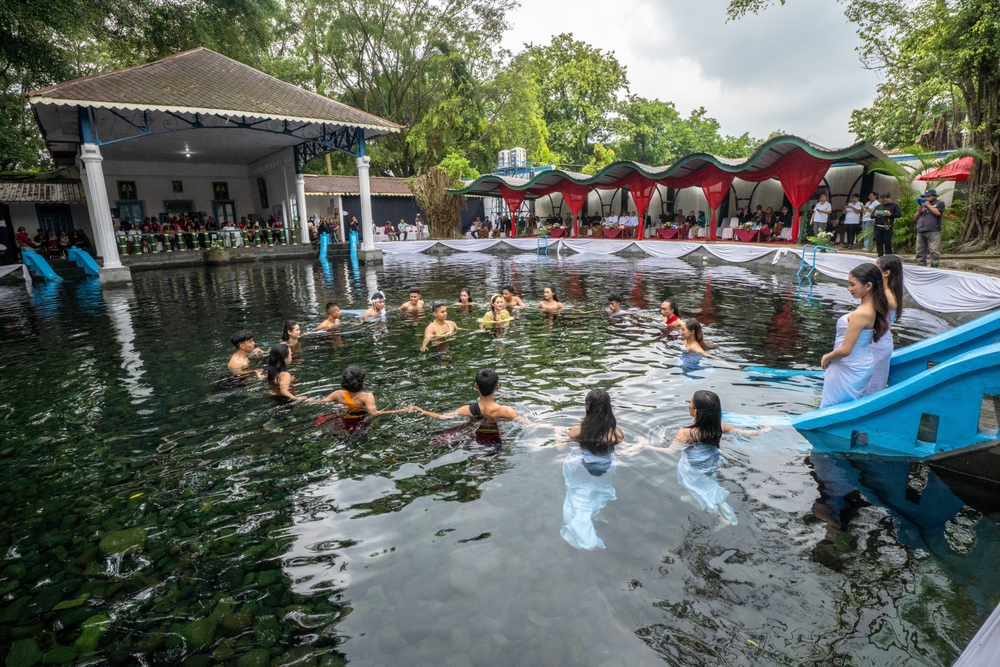
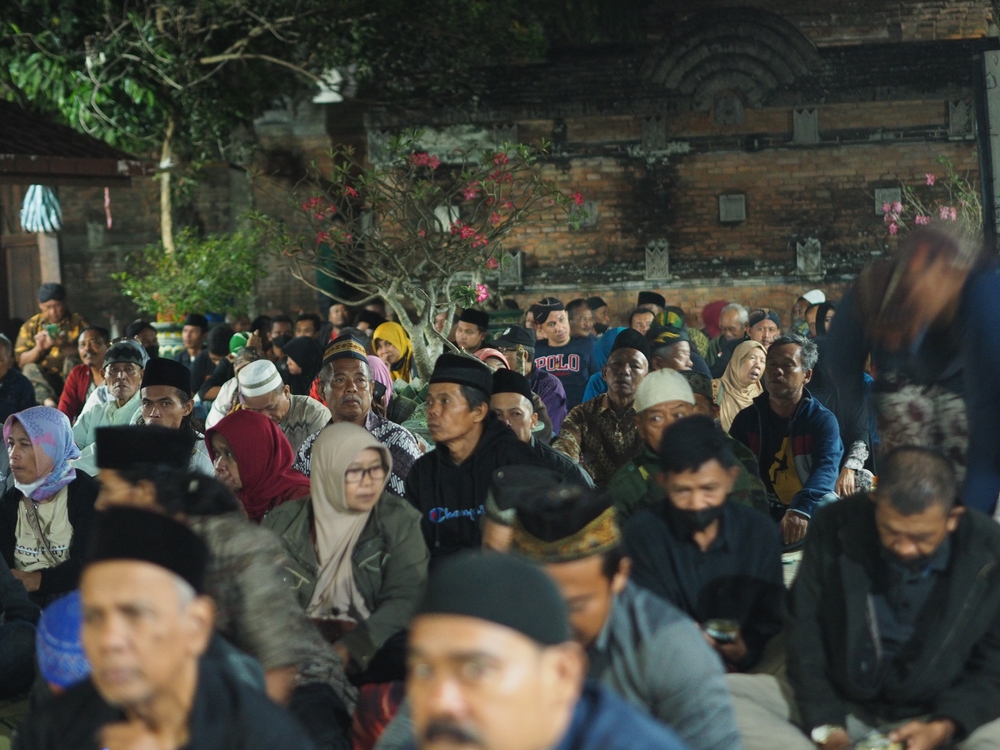
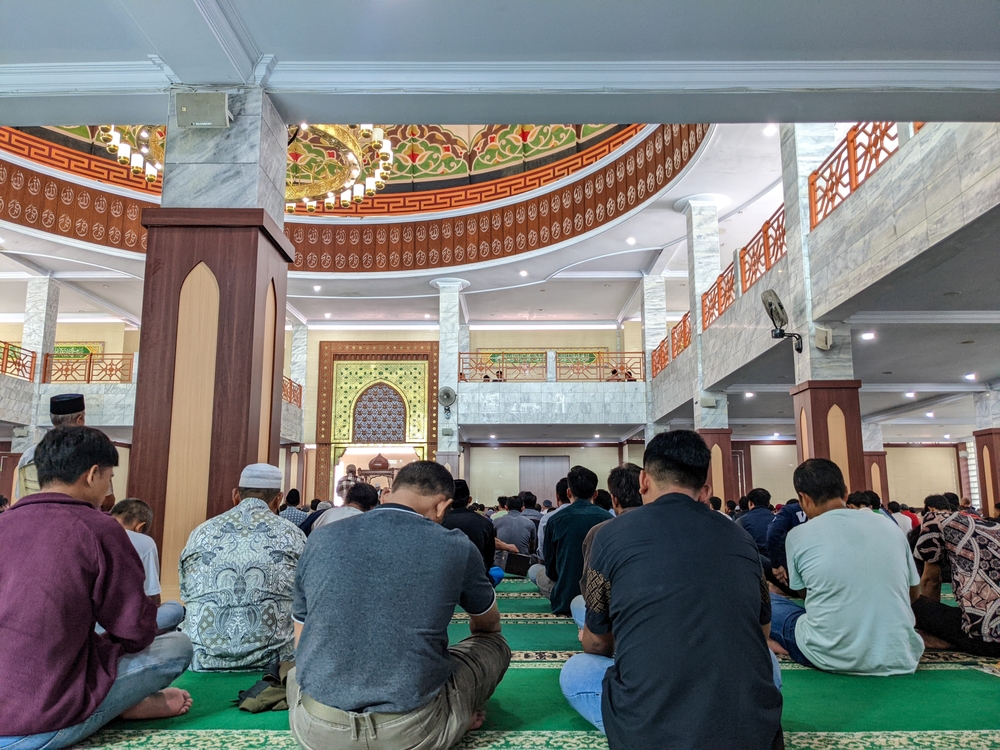
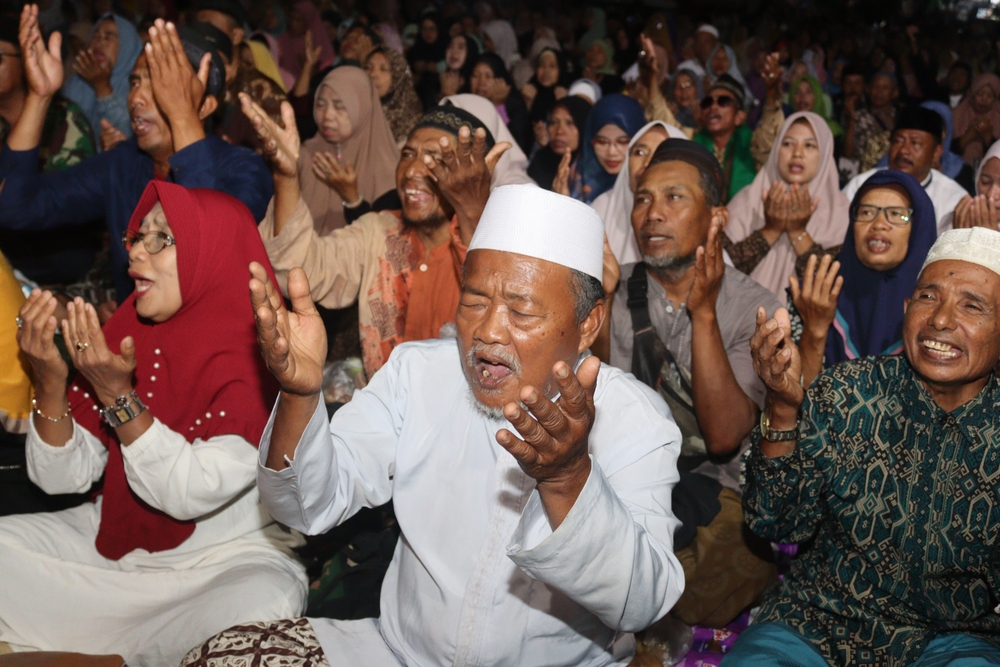
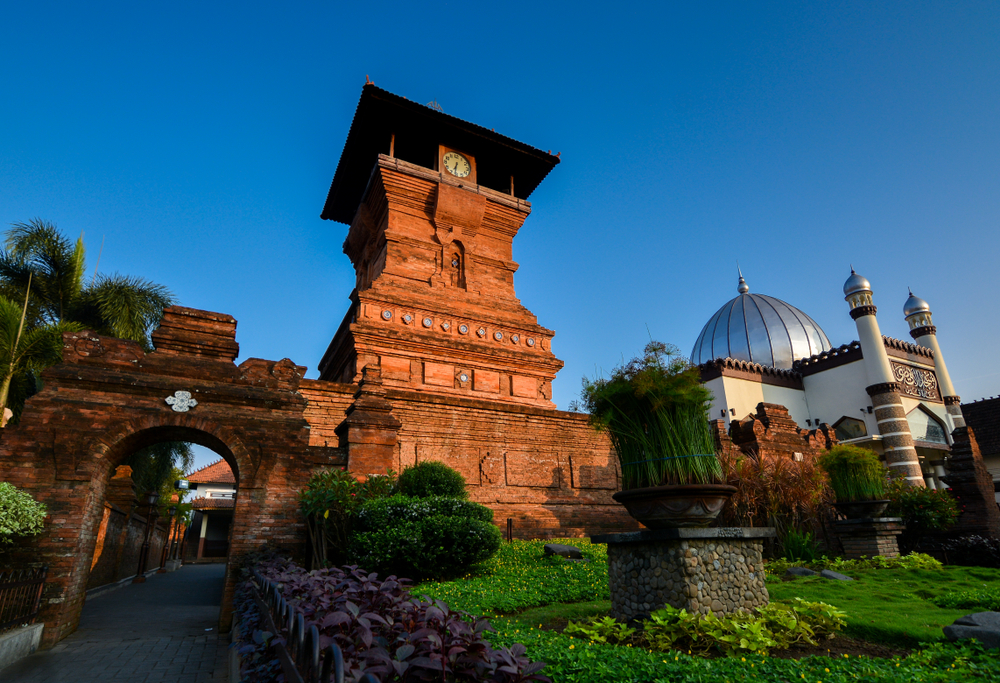
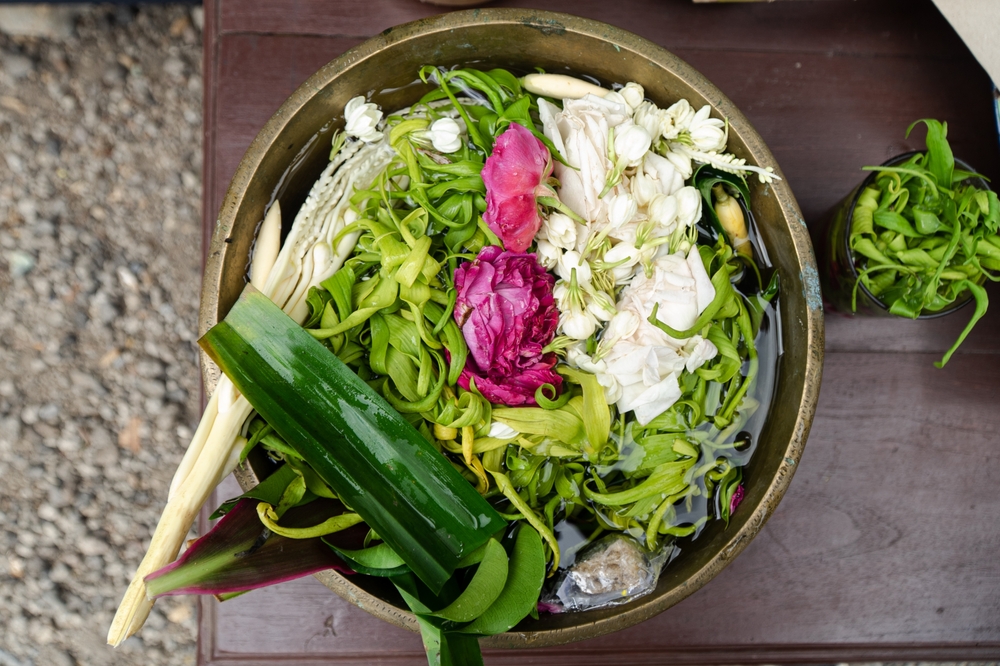
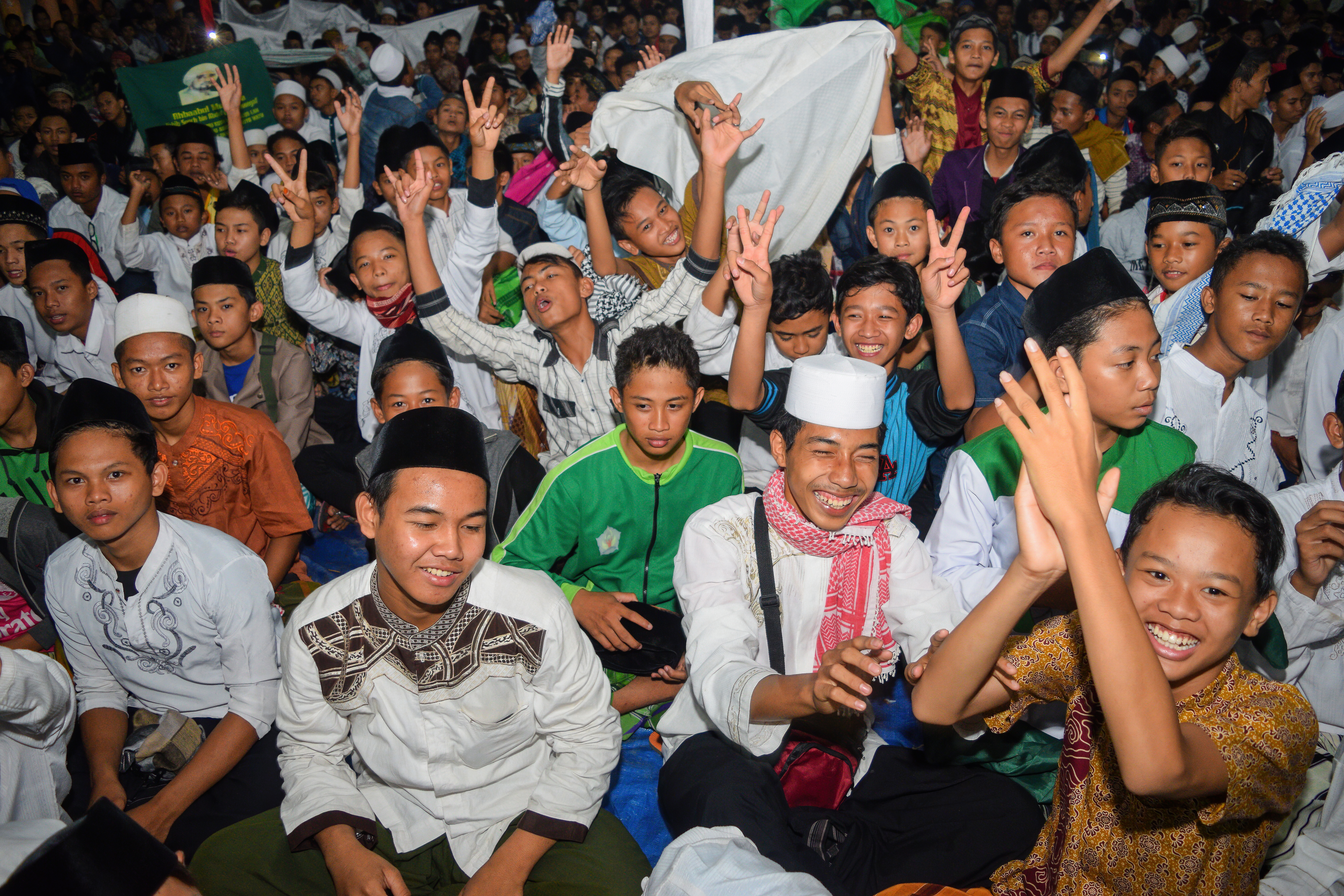
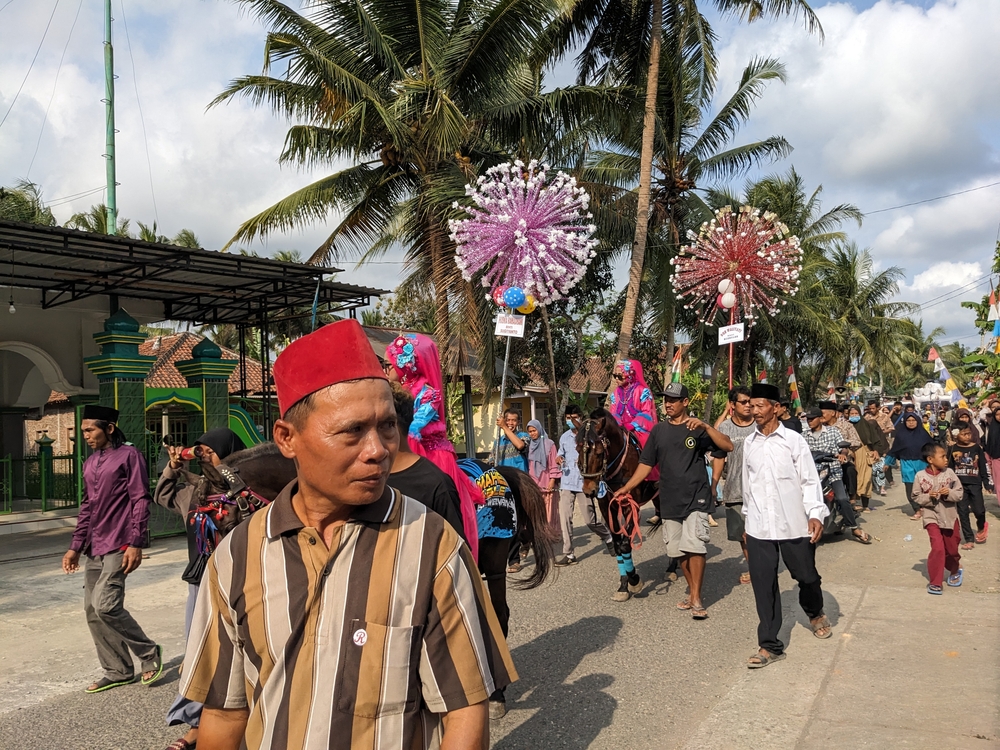
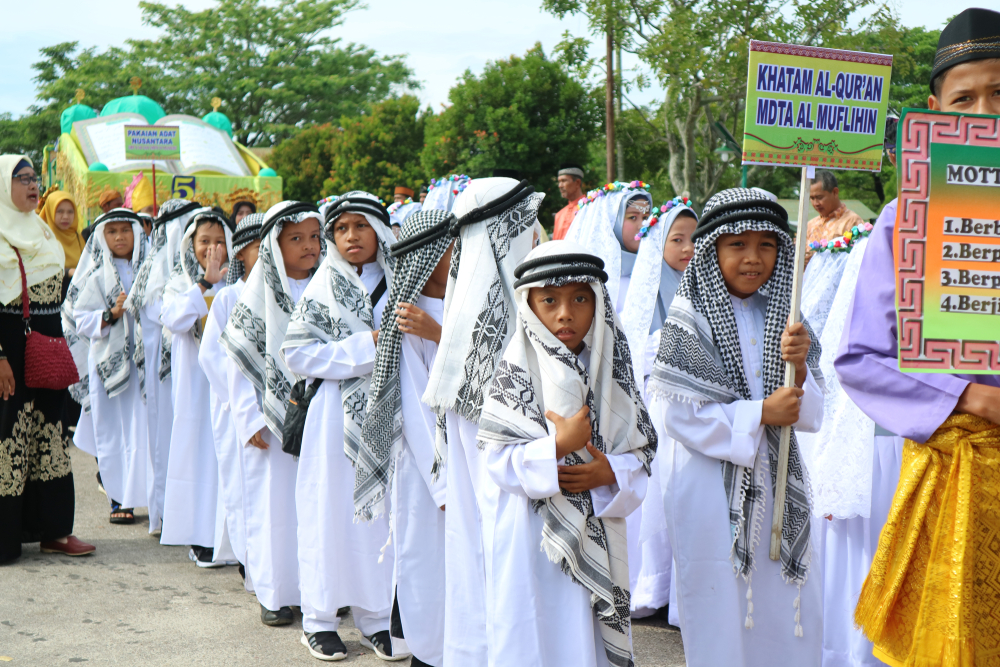
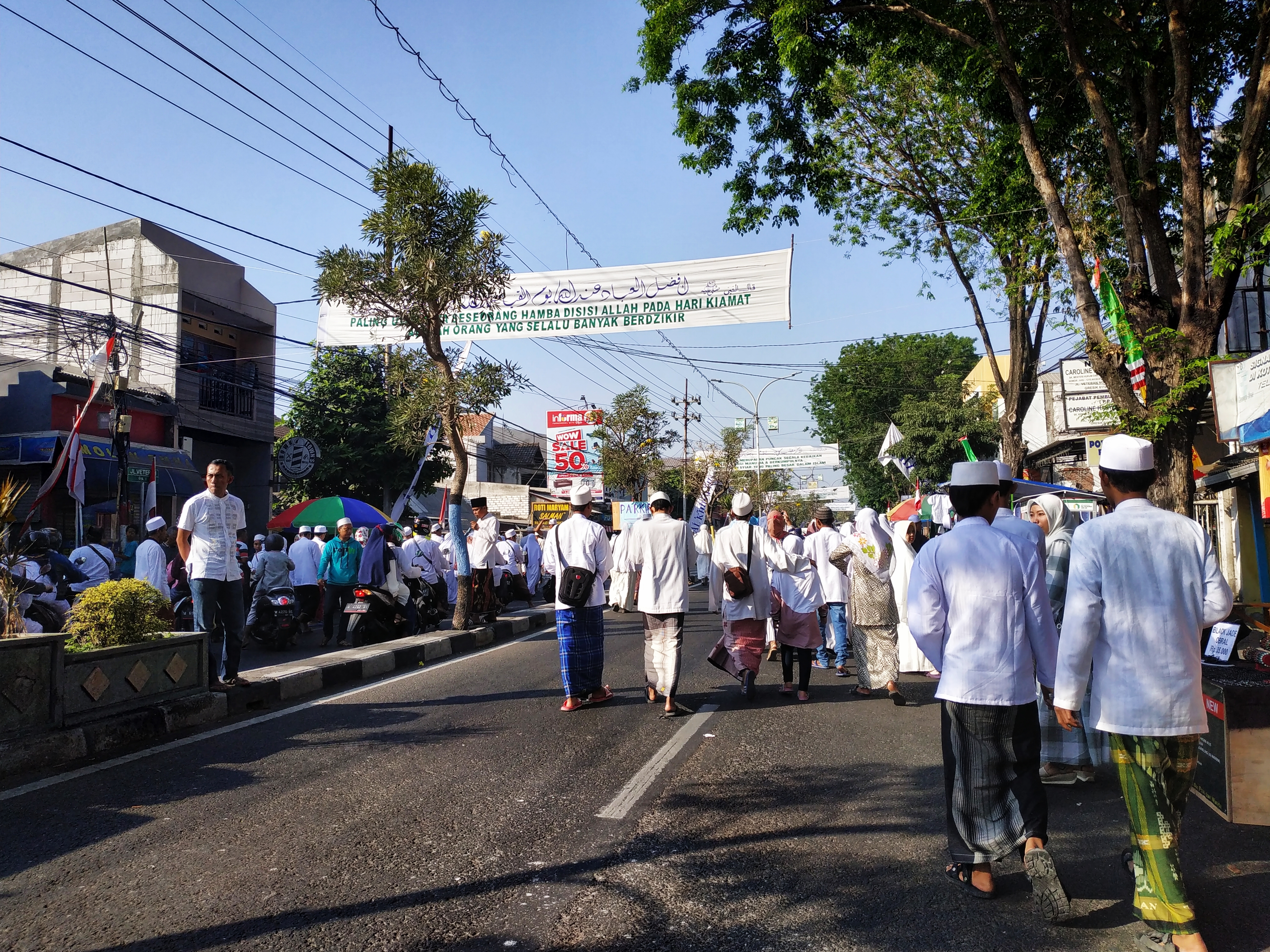
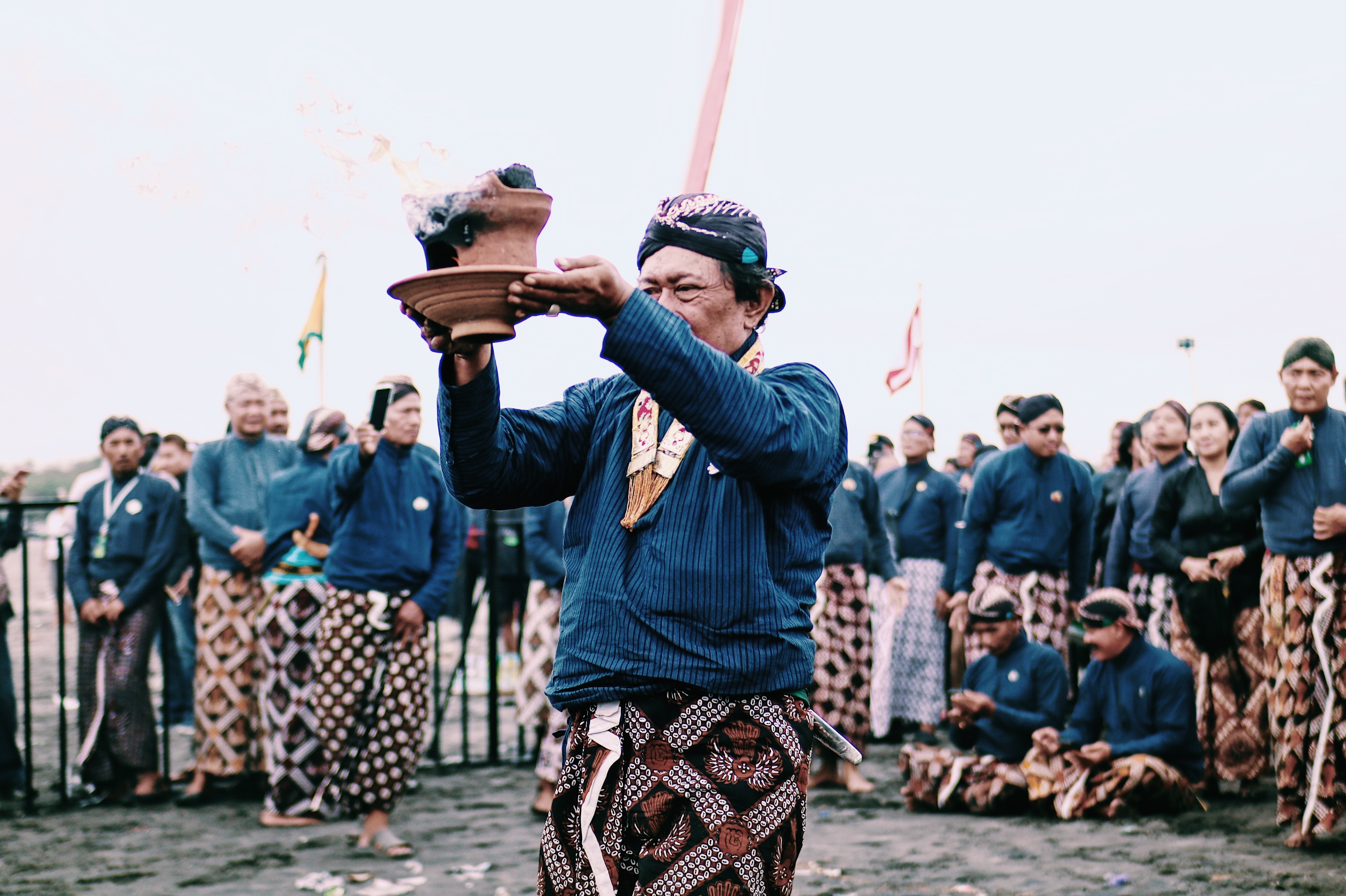
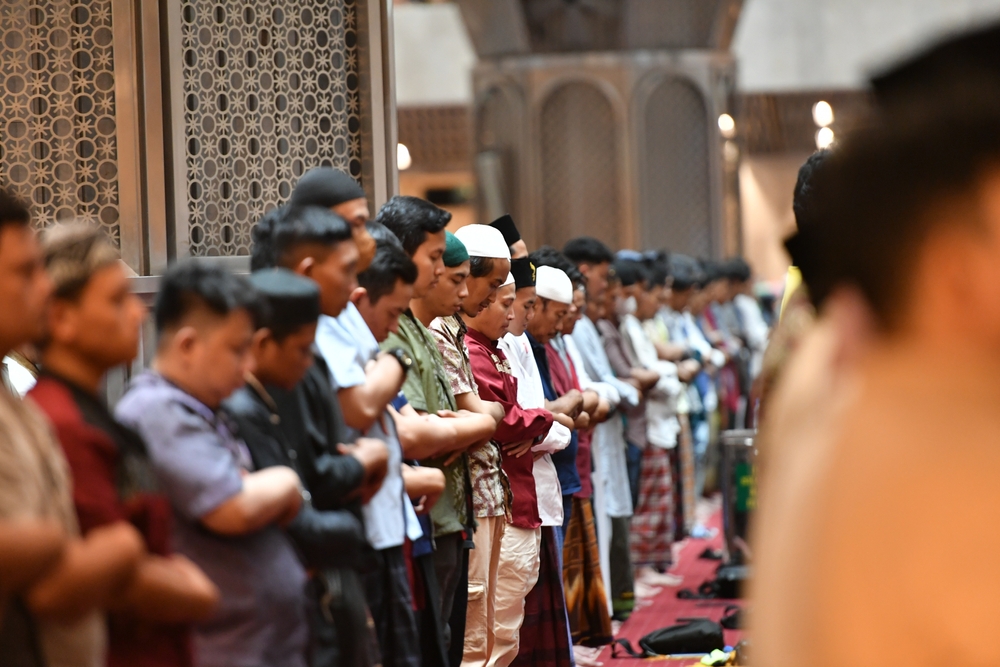
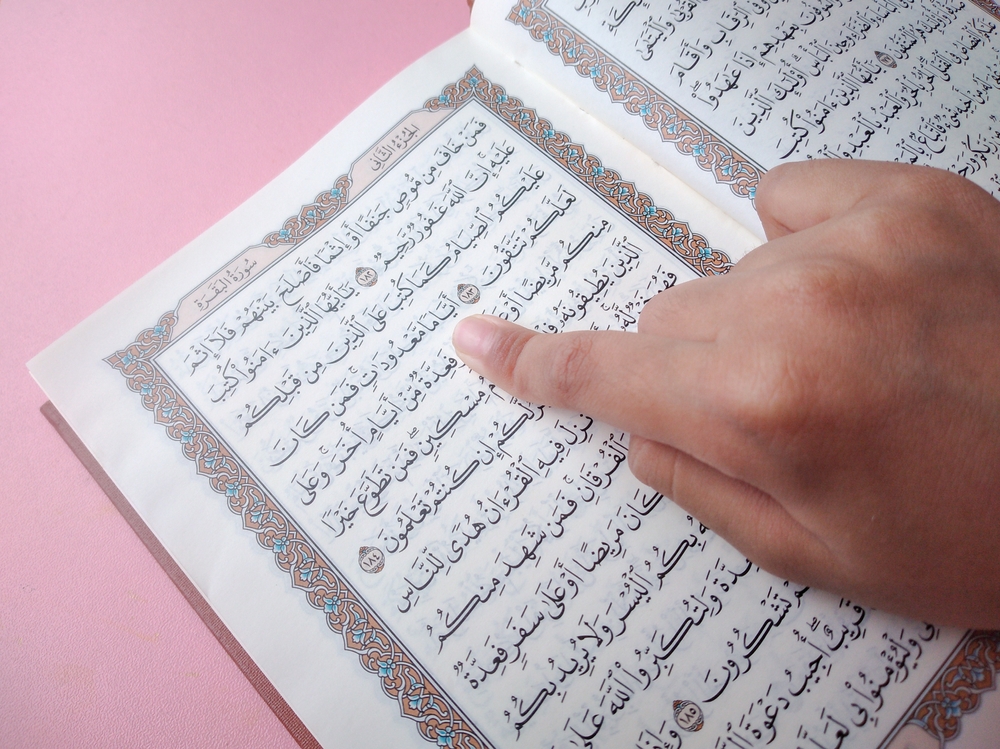
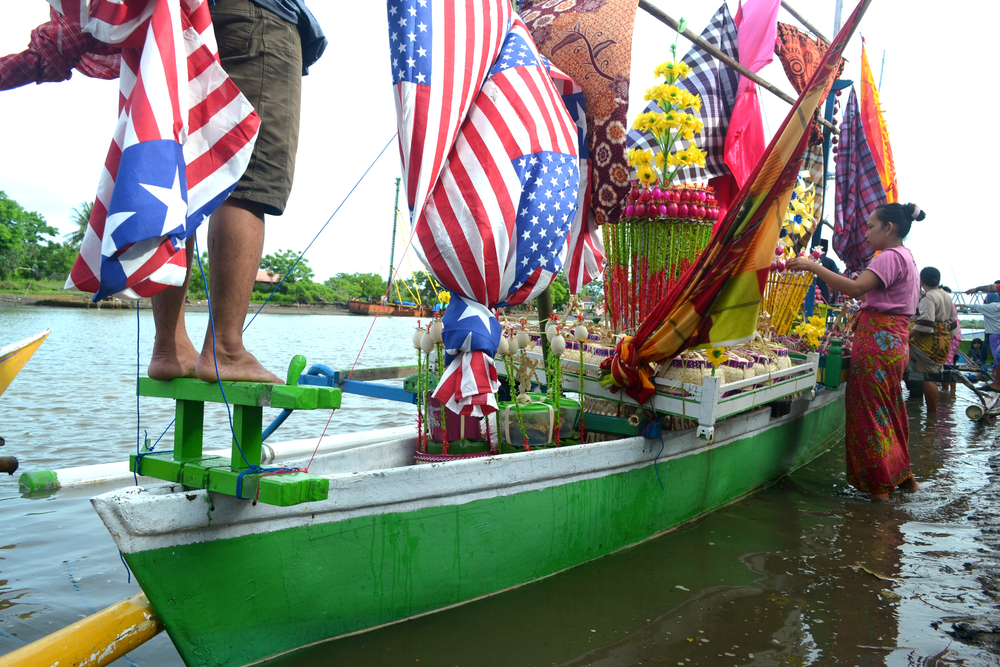
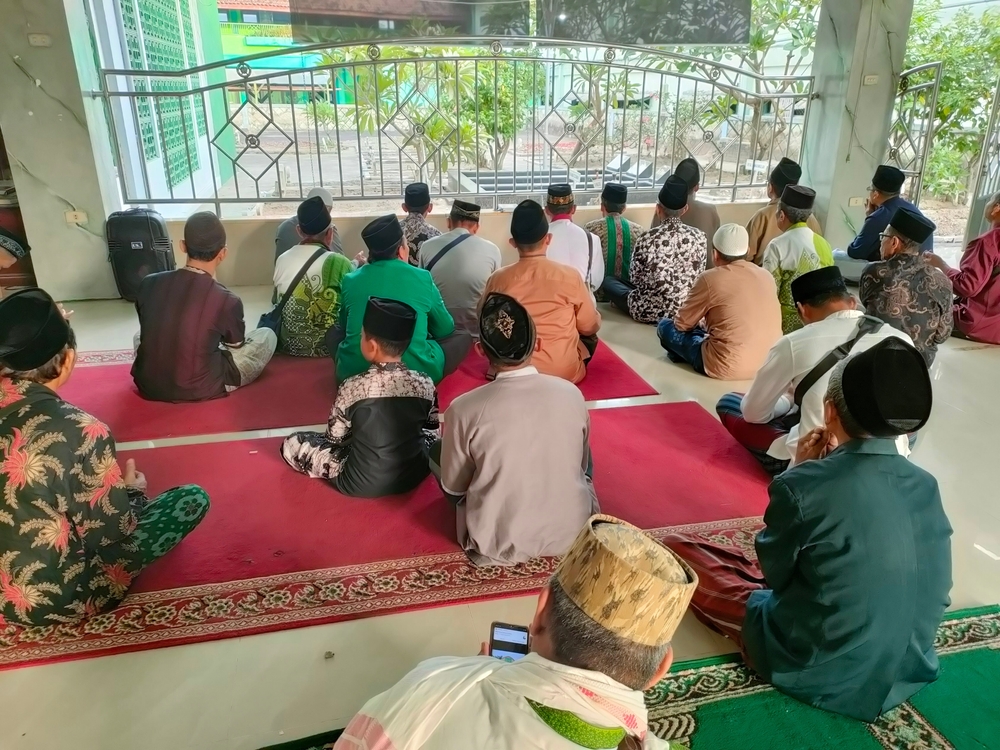
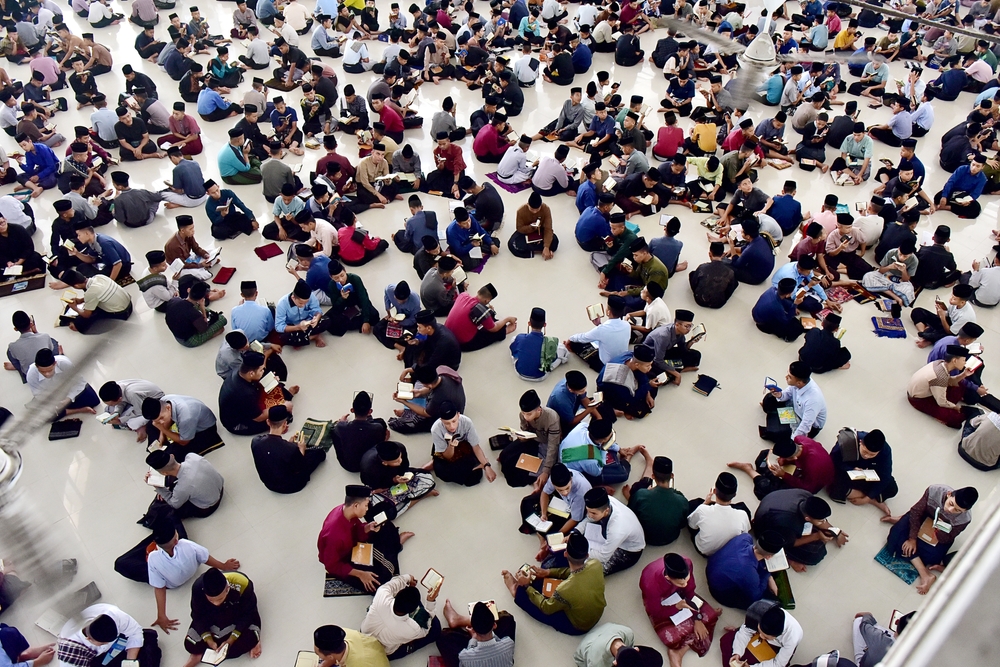
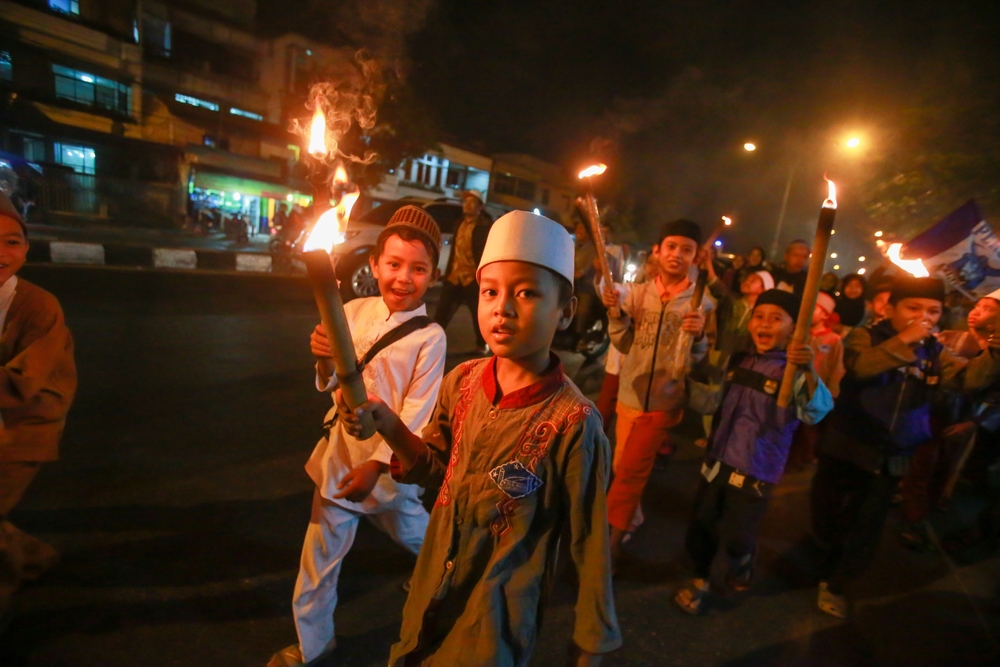
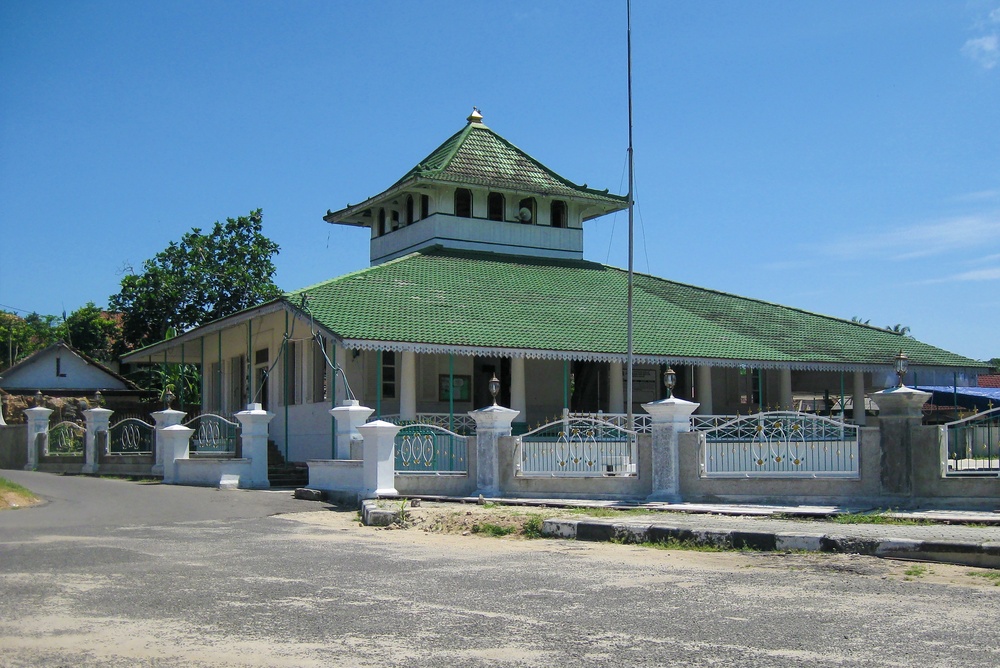
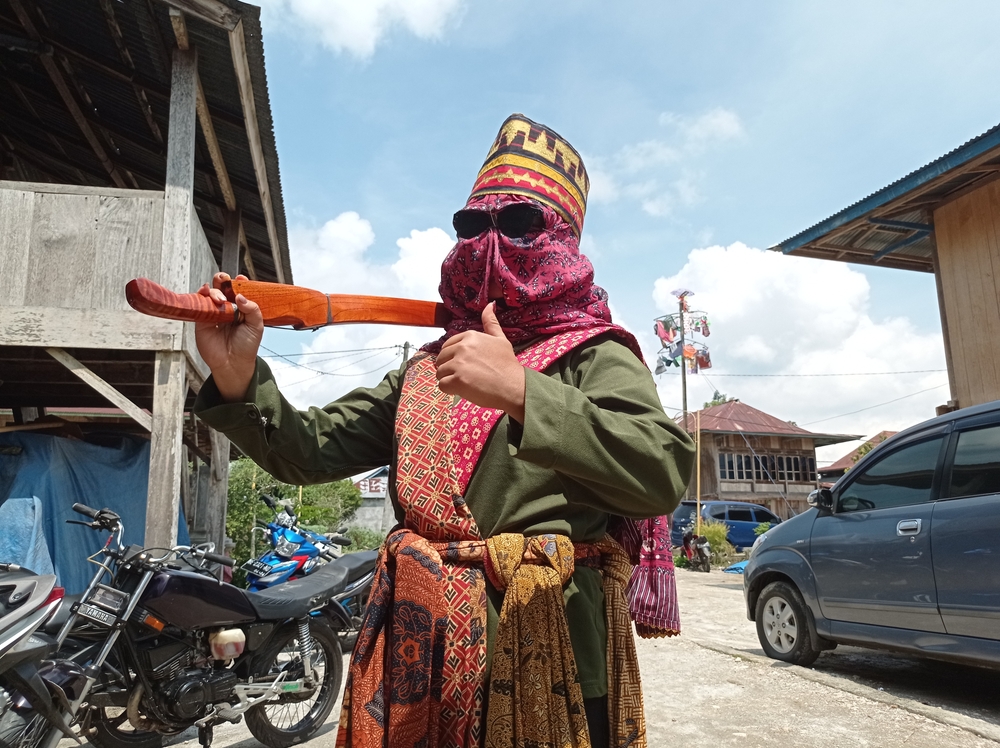
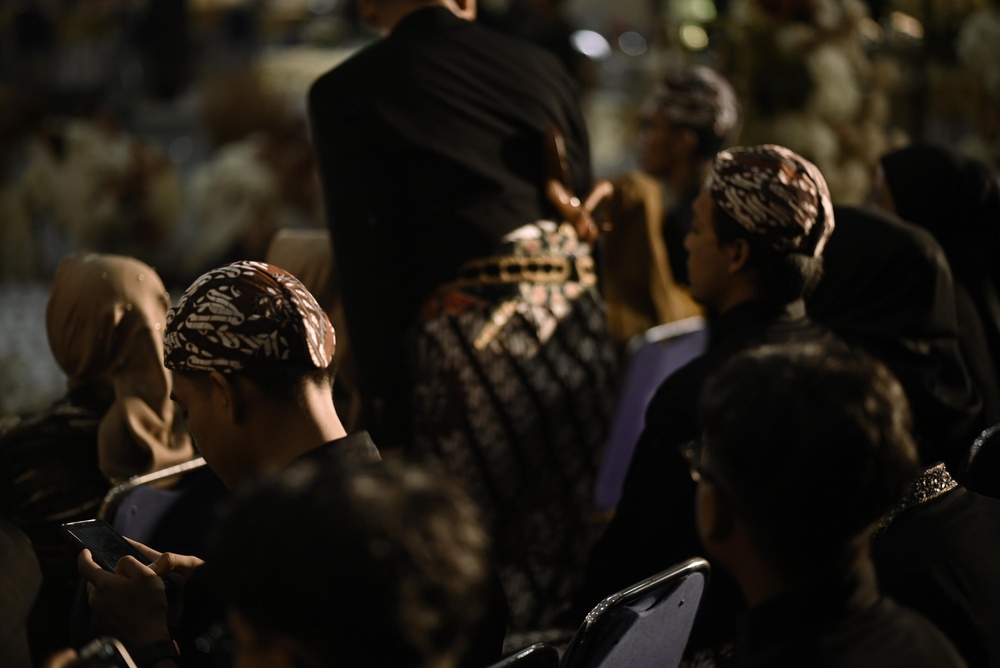
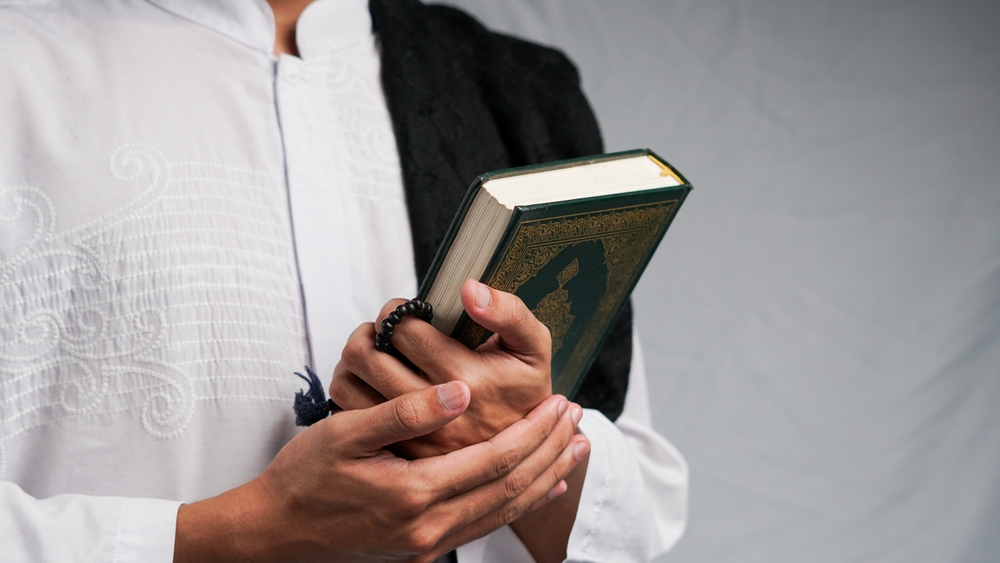
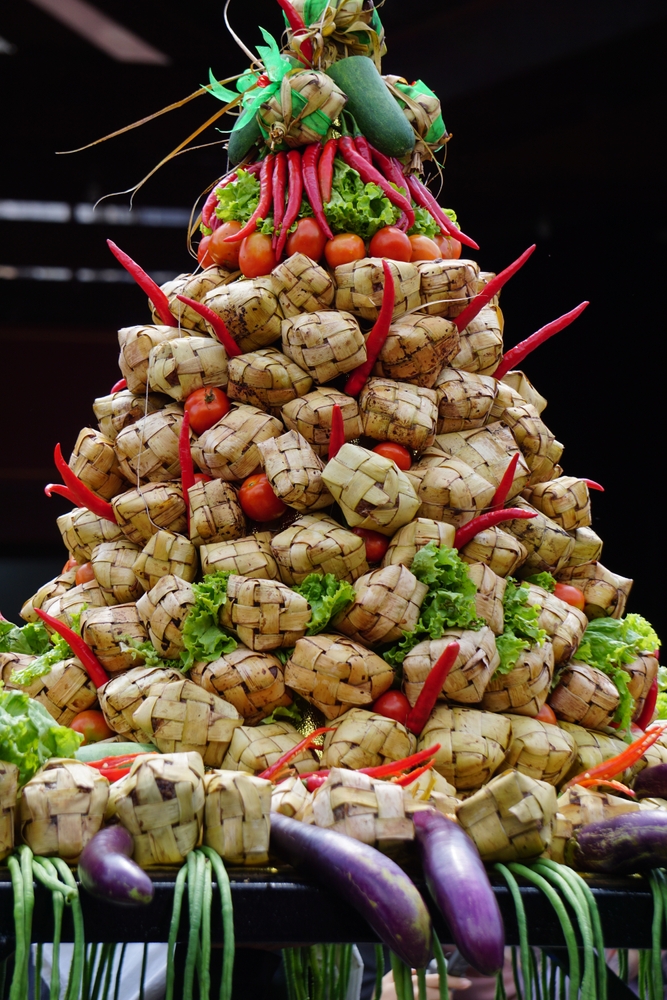
Islamic religious events refer to activities held to commemorate Islamic holy days, perform acts of worship, or celebrate Islamic traditions that have developed across various regions of Indonesia. These events may include religious holiday celebrations, culturally themed festivals with Islamic values, large-scale religious gatherings, and local traditions rich in spiritual meaning and a sense of community.
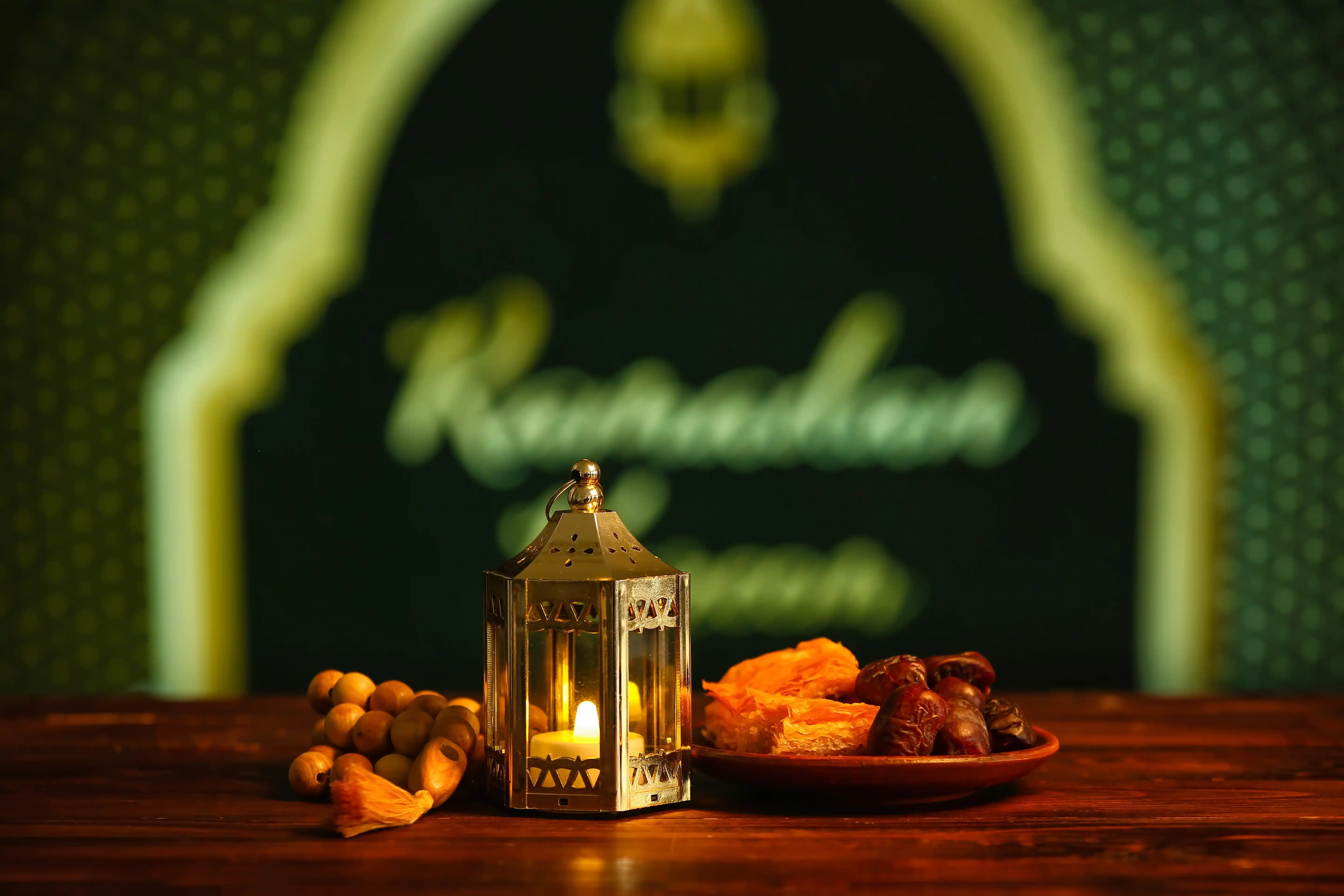
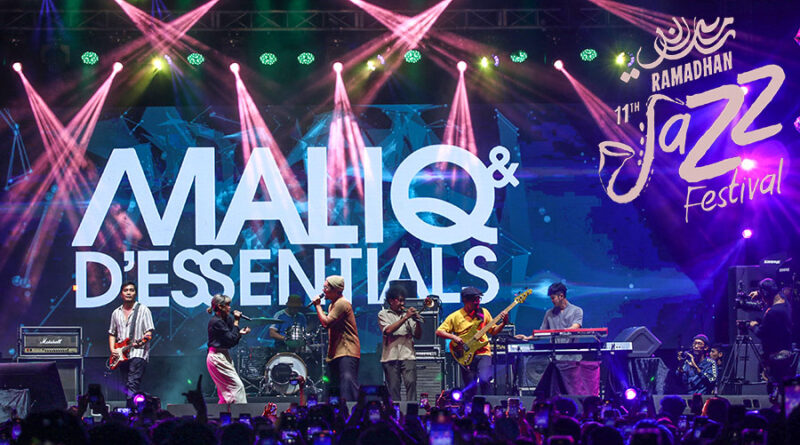
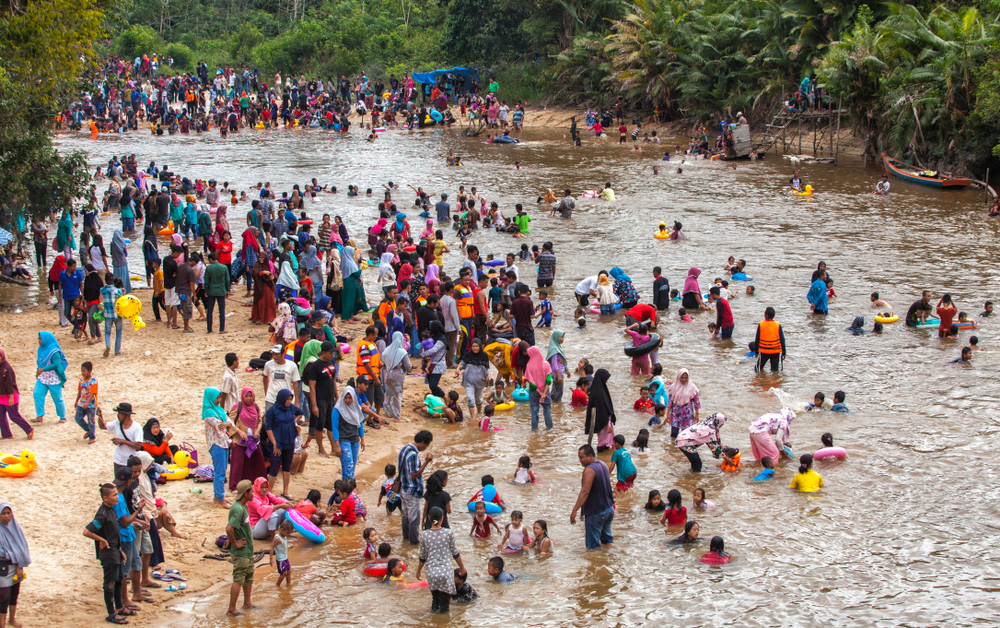
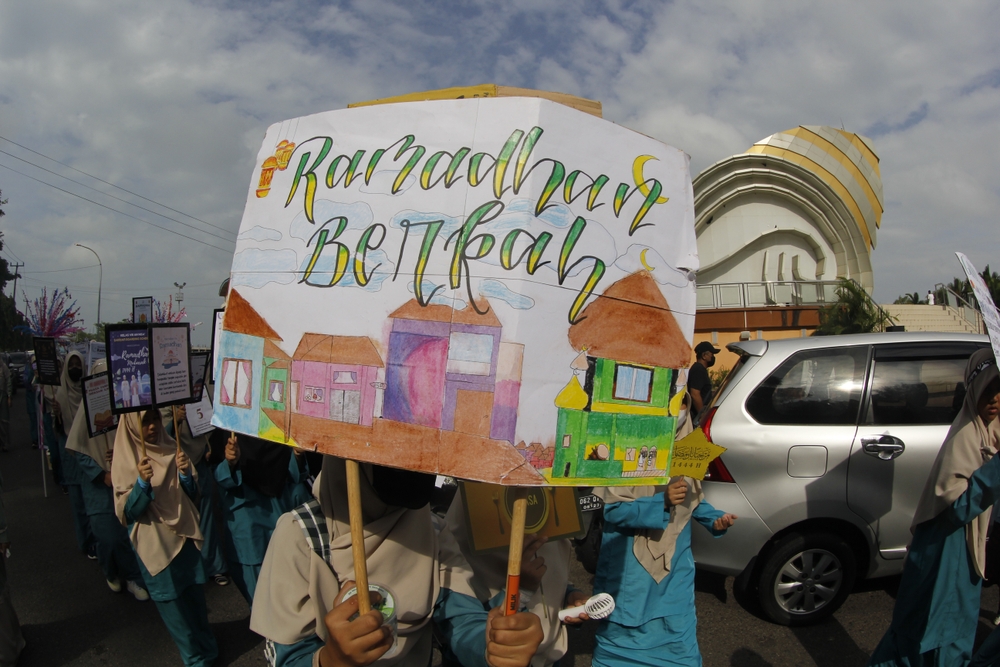
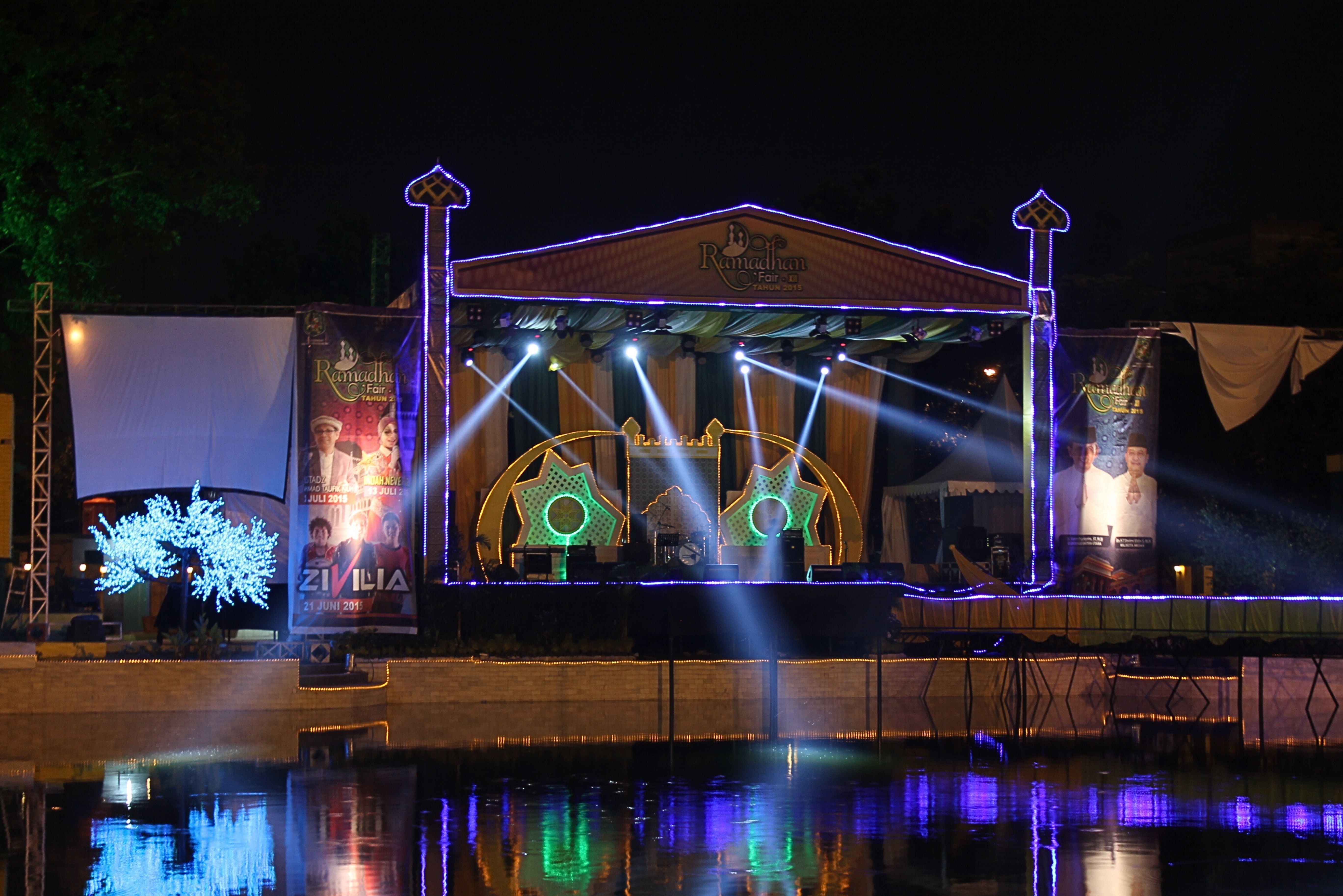
Indonesia hosts a wide range of Islamic religious events. Muslim communities across the country commonly organize commemorations of the Prophet Muhammad’s Birthday (Maulid), Islamic New Year (Hijri New Year), Isra Mi’raj, as well as various activities throughout the month of Ramadan and during Eid al-Fitr.
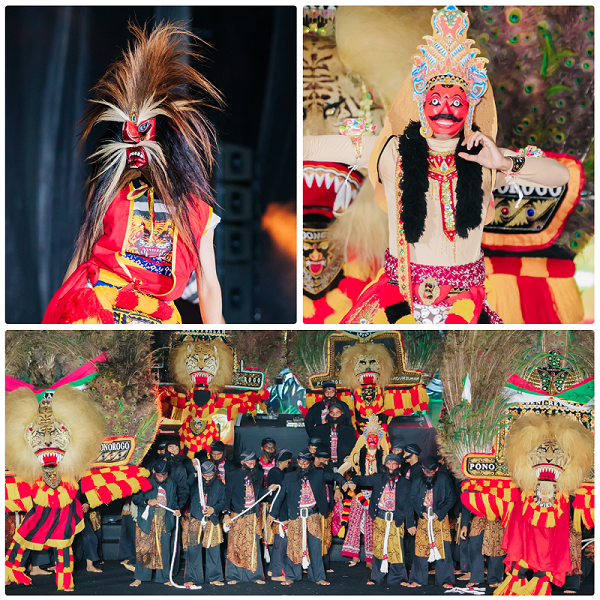
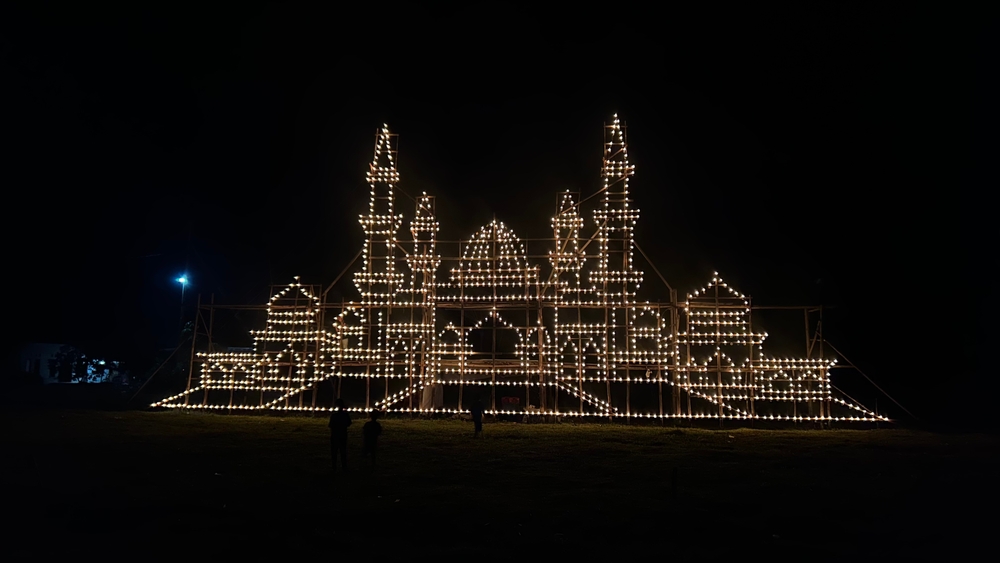
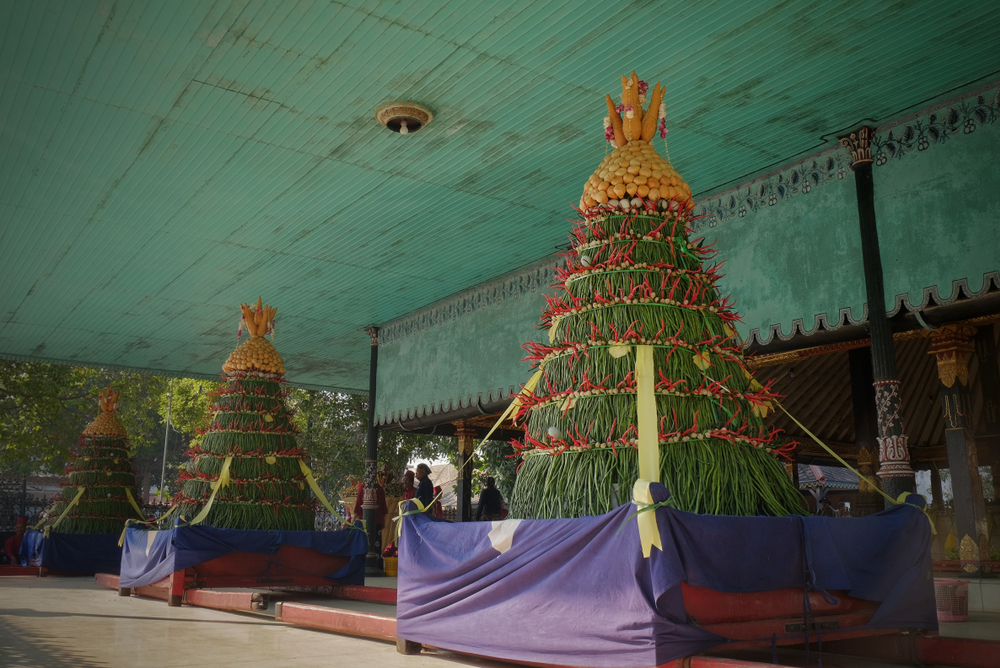
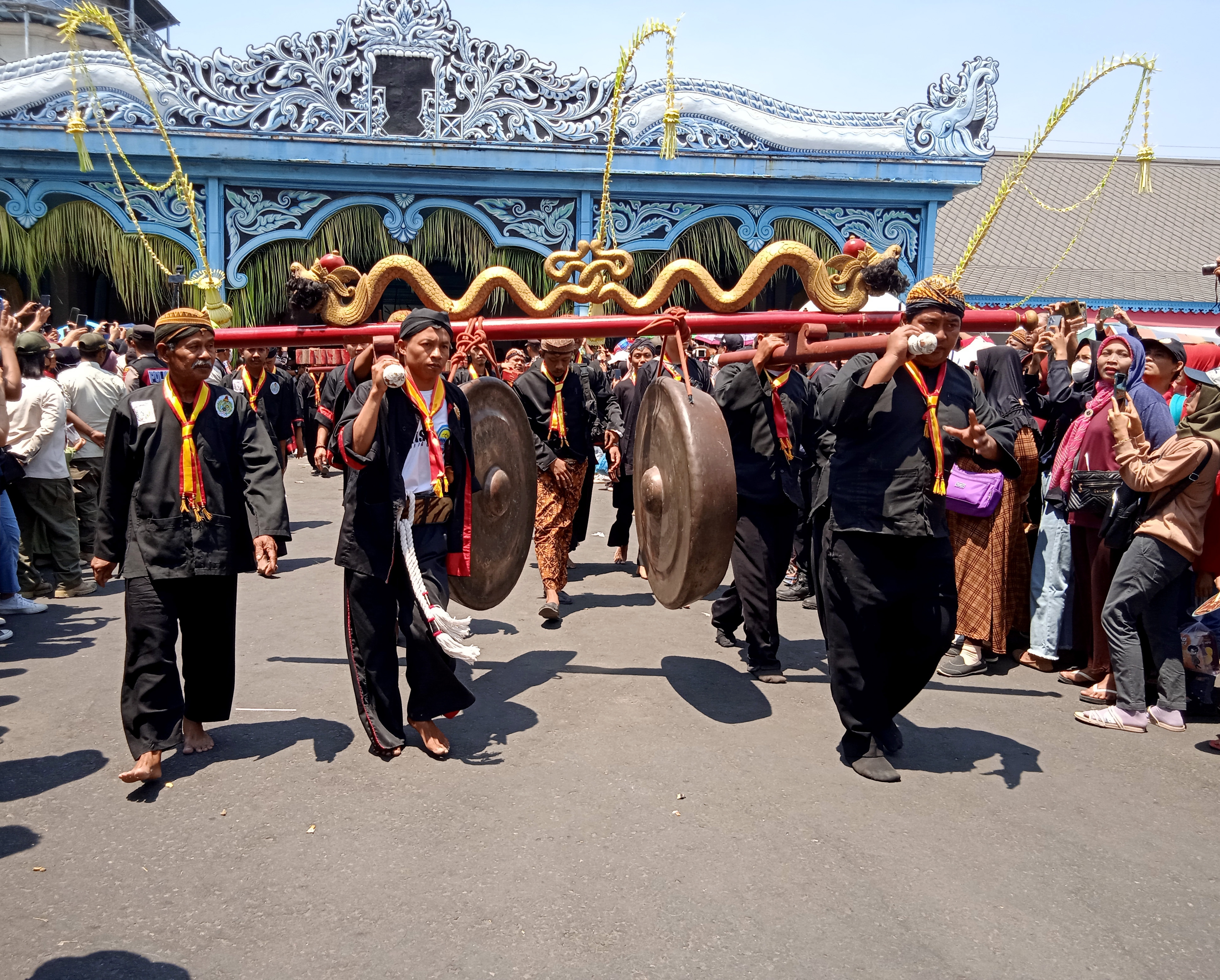
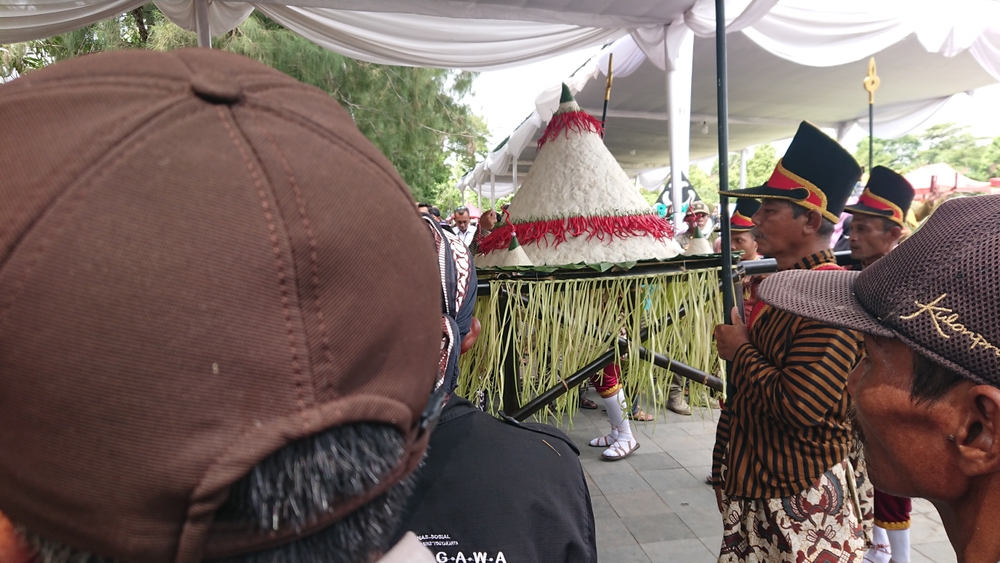
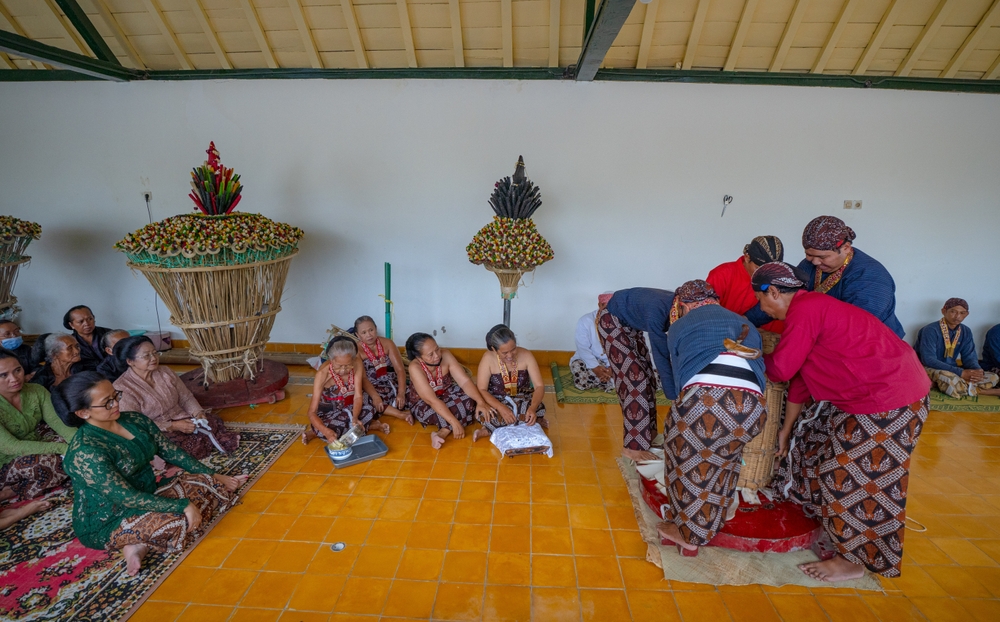
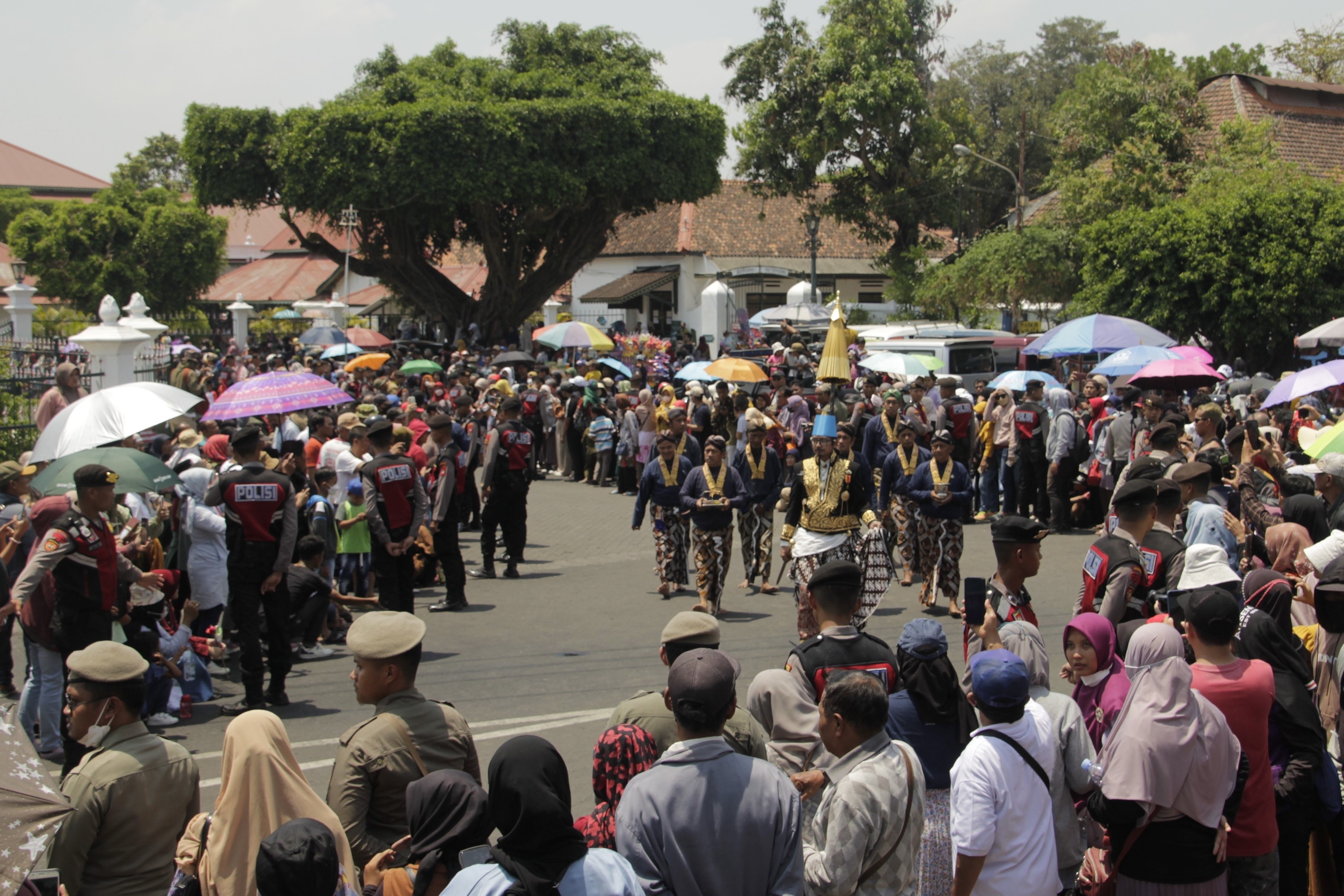
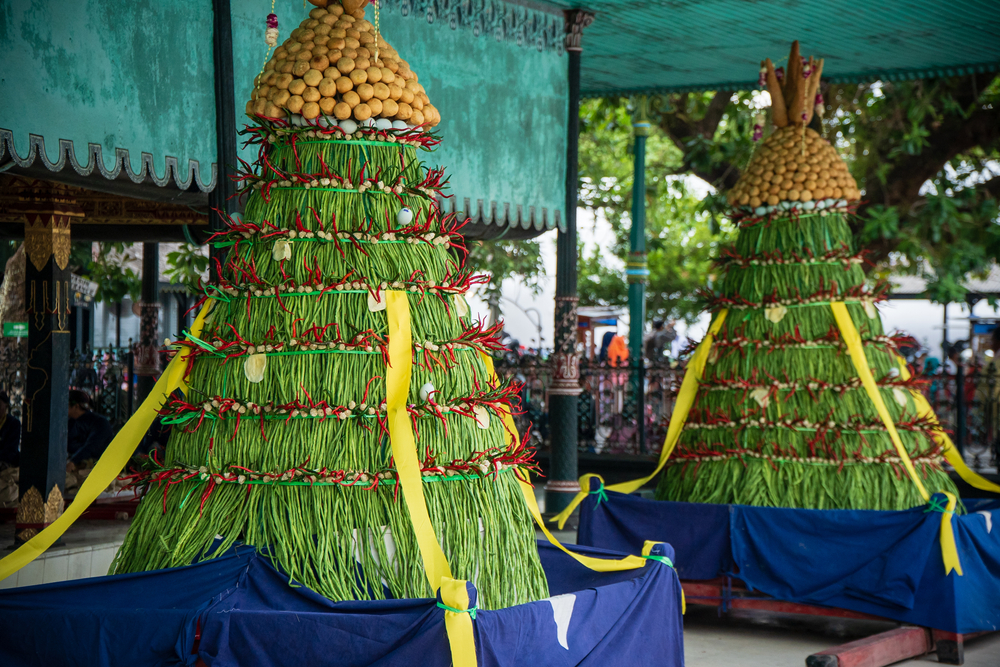
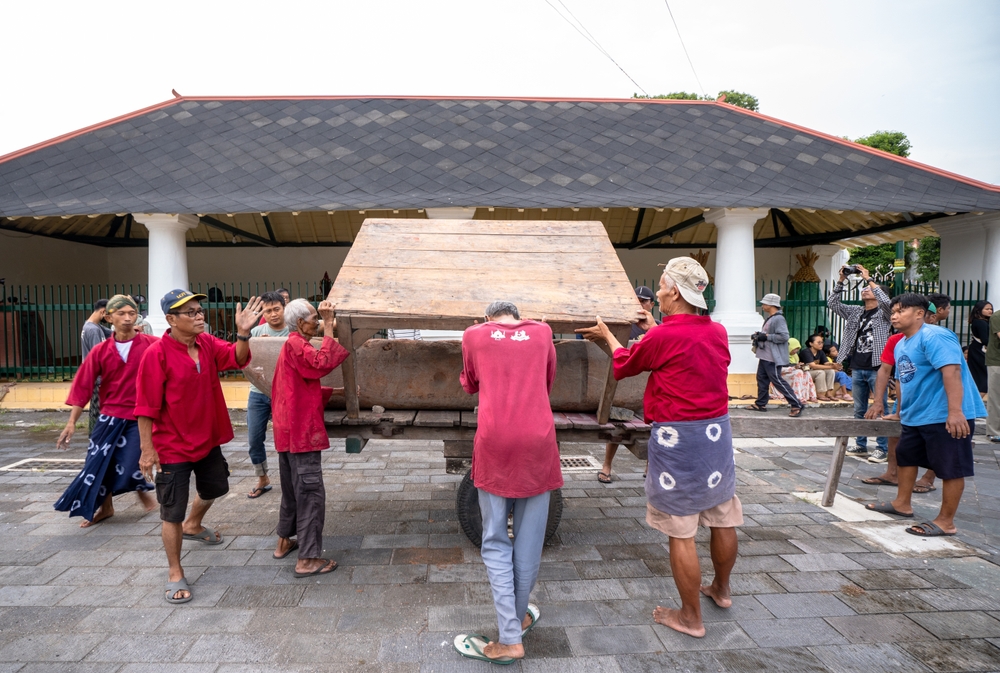
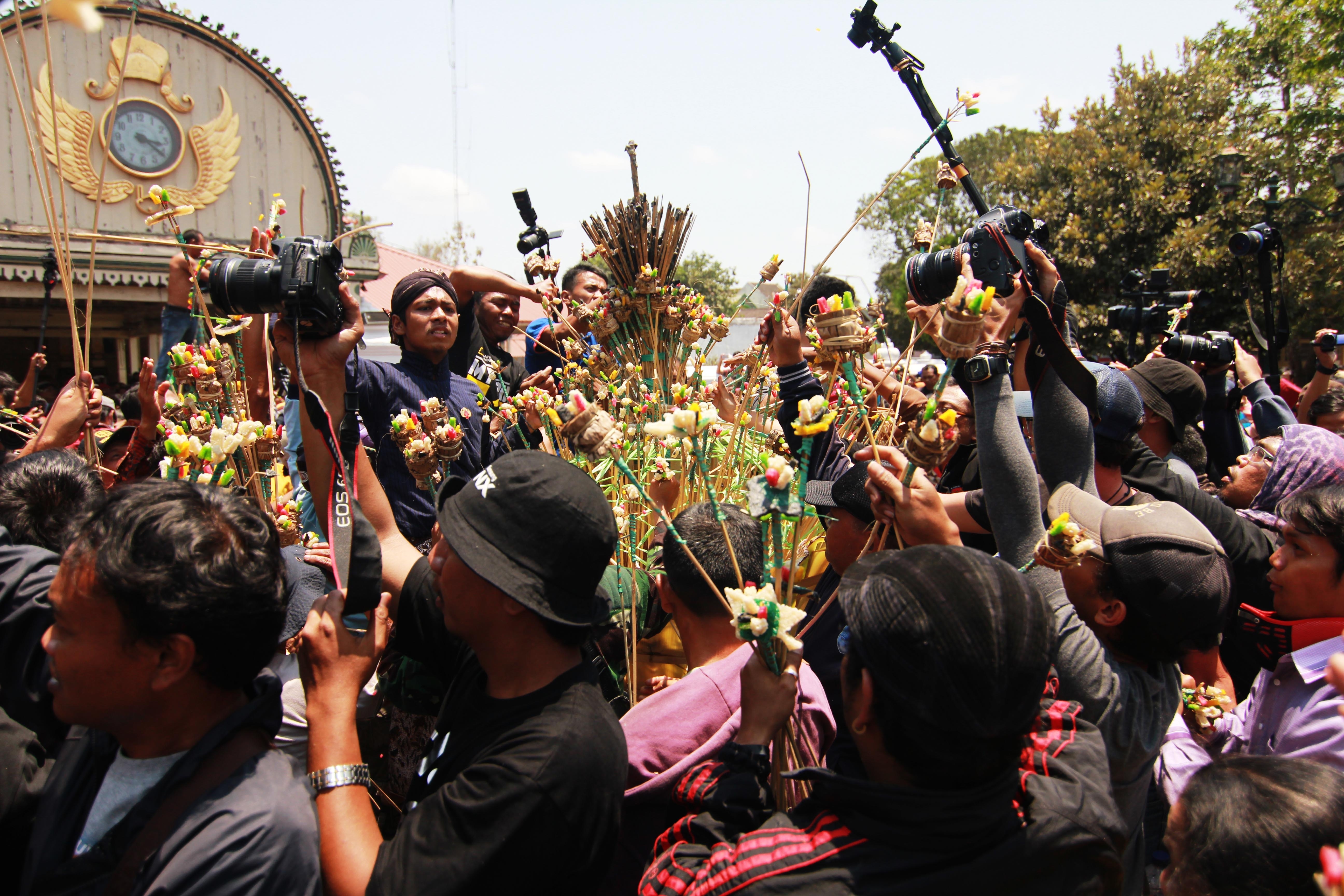
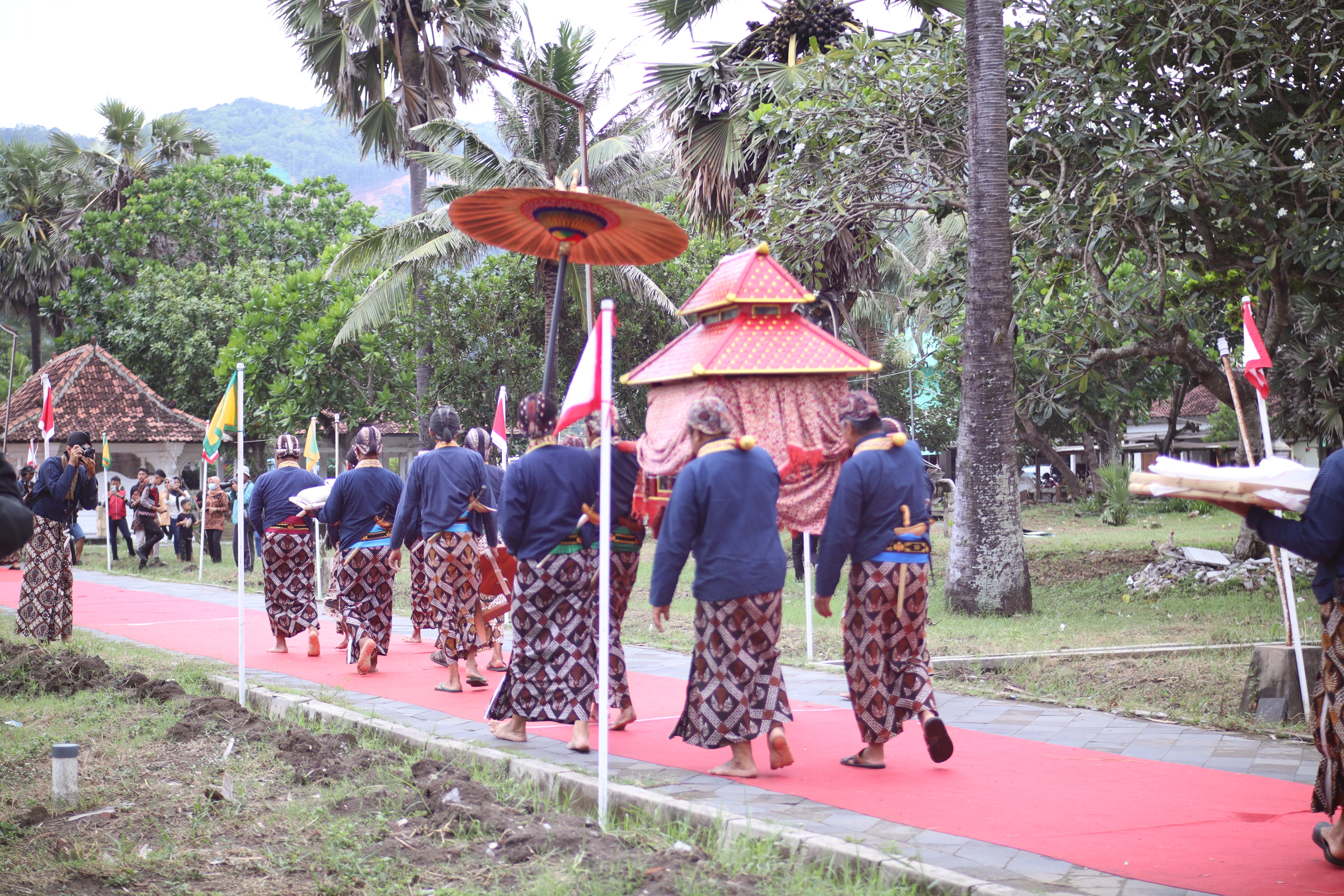
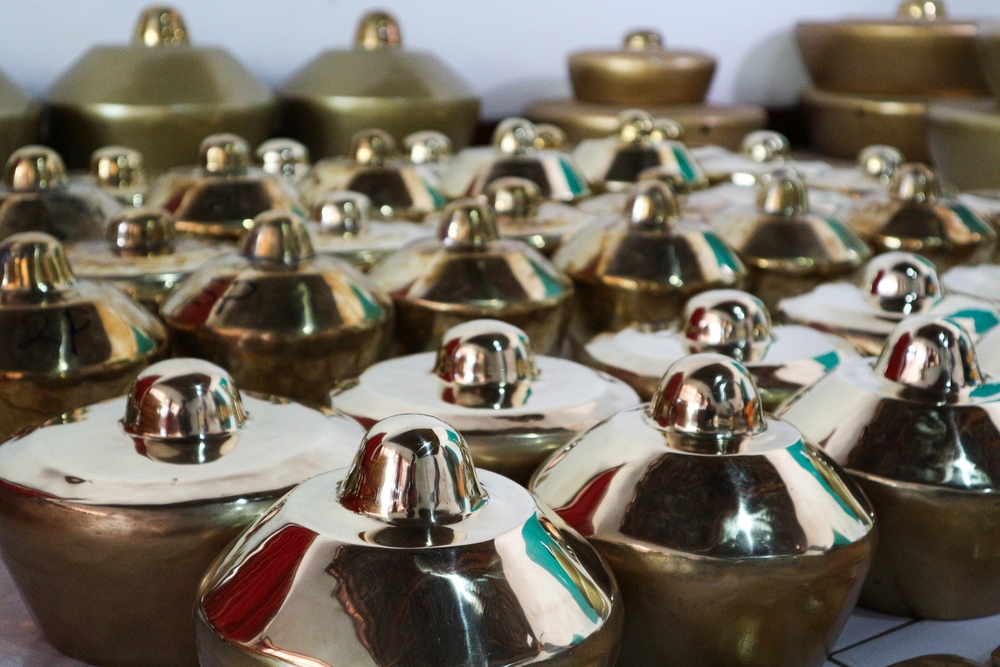
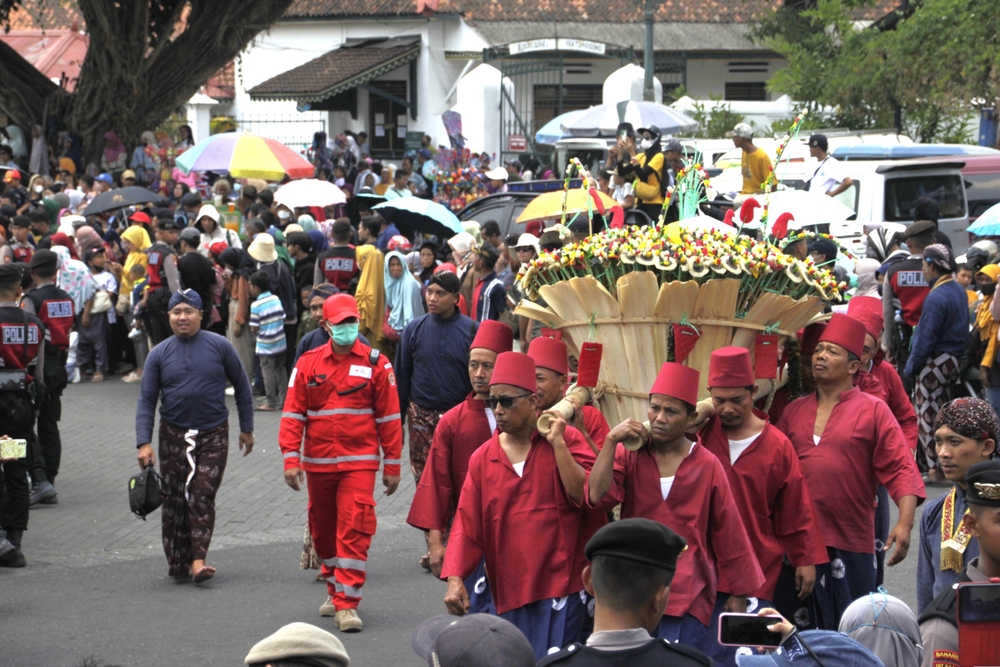
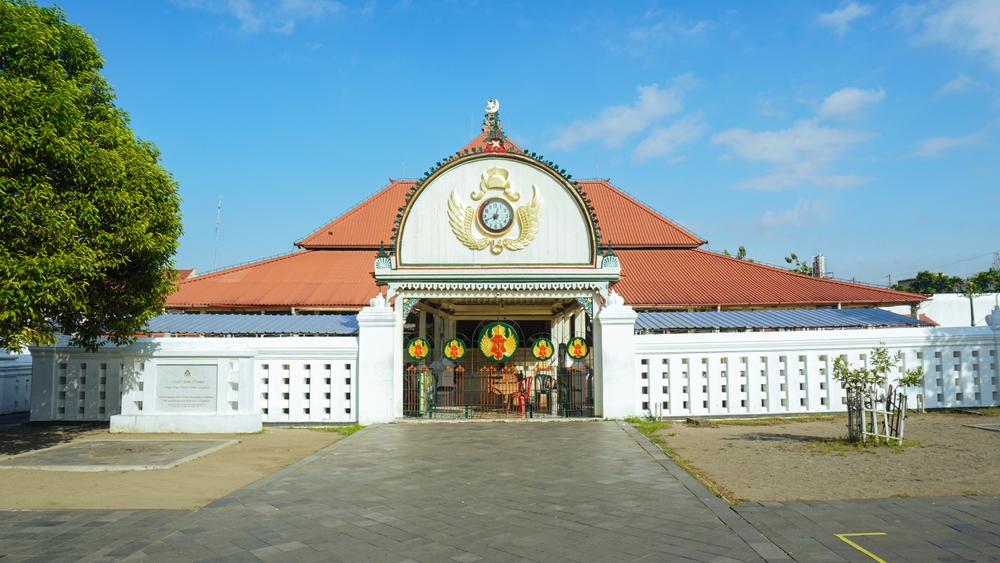
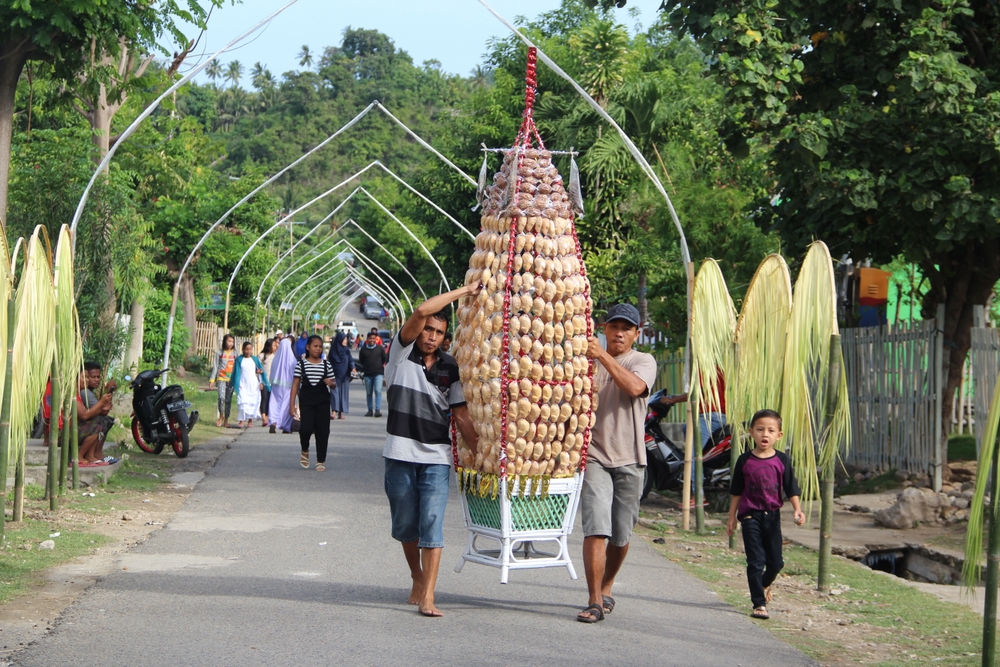
Several regions also maintain distinctive religious traditions, such as the Sekaten celebration in Yogyakarta, the Tabuik Festival in West Sumatra, and Grebeg Maulud in Surakarta, which forms part of the Maulid commemoration in different areas.
A list of Islamic religious events can be found on the official website of the Ministry of Tourism, the national event calendar, as well as the official websites of regional governments and local tourism offices.
The best time to attend Islamic religious events generally coincides with the Hijri calendar, such as during Ramadan, Eid al-Fitr, Eid al-Adha, the Prophet’s Birthday (Maulid), and the Islamic New Year.
In addition, some culturally themed Islamic festivals follow annual schedules that may vary by region. Visitors are encouraged to check the event calendar regularly for updated information.
You can use the search feature on the official national tourism website or apply location-based filters within the event category on the Indonesia Travel page.
Additionally, monitoring the official websites of regional governments, local tourism offices, and the official social media channels of event organizers can help you obtain the latest information regarding schedules, venues, and event programs.