





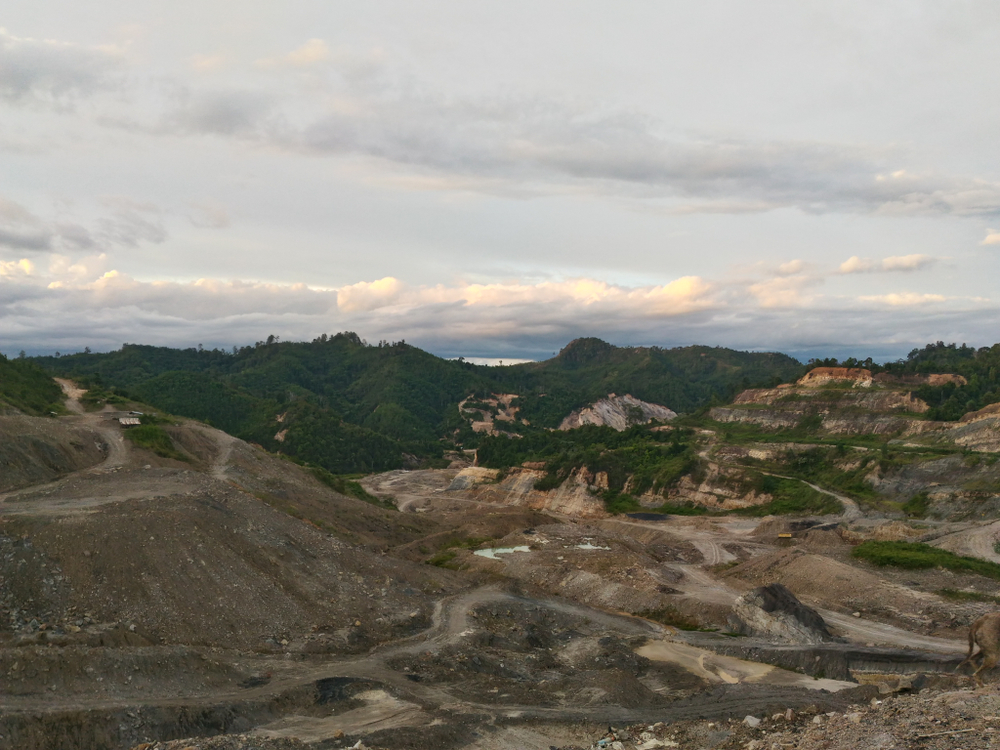
The Ombilin Coal Mine is one of Indonesia’s UNESCO World Heritage Sites, located in the city of Sawahlunto, West Sumatra Province. This historic area represents a significant chapter in the development of Indonesia’s coal mining industry, which began in the late nineteenth century.
Its inscription on the UNESCO World Heritage List in 2019 confirms the Outstanding Universal Value of the Ombilin Coal Mine, particularly in terms of mining technology, urban planning, and the social history that shaped the identity of a mining town.
History of the Ombilin Coal Mine
The significance of the Ombilin Coal Mine began to emerge in the late 19th century, when the area was developed by the Dutch colonial government. The discovery made by Ir. W.H. de Greve in 1868 marked the beginning of mining development in Sawahlunto. The Ombilin Coal Mine was officially established in 1891 and started production in 1892.
From the outset, Ombilin was designed as an integrated mining system. The area included mining sites in hilly terrain, coal processing facilities, and railway networks connected to seaports. This infrastructure was built to overcome the mountainous and forested geography of West Sumatra.
The earliest mining activities were carried out in the Sungai Durian area. Underground mining methods using a sandfilling system were applied. These techniques reflected the advanced mining technology of the period.
In addition to technical infrastructure, Ombilin was developed as a planned industrial area by the late 19th century. The colonial government constructed worker settlements, administrative buildings, healthcare facilities, and social spaces. The mining workforce came from various regions, including Java, Bali, Makassar, West Sumatra, China, as well as the Netherlands and other parts of Europe. Some workers were forced laborers and colonial prisoners.
Over time, Sawahlunto grew into an industrial city specifically designed to support the Ombilin mining operations. The mine contributed to economic growth while shaping an integrated urban system. Today, traces of this history can still be seen in preserved mining structures, railway lines, and the well-maintained urban landscape.
Attractions of the Ombilin Coal Mine
The Ombilin Coal Mine offers visitors an educational and authentic travel experience. Travelers can explore historic mining structures, old railway stations and tracks, as well as museums that document the evolution of mining technology and the everyday life of the mining community. Each site presents interconnected historical narratives that provide a comprehensive understanding of Sawahlunto’s role in Indonesia’s industrialization.
Visiting the Ombilin Coal Mine is not solely a recreational activity, but also an opportunity to deepen knowledge of industrial history and the social transformations that accompanied it. This unique character makes Ombilin a heritage destination with strong educational value.
Who Should Visit the Ombilin Coal Mine?
The Ombilin Coal Mine is particularly well suited for solo travelers and visitors traveling with friends, as it offers a calm, reflective, and meaningful historical exploration through heritage areas, museums, and industrial remains. The orderly and relatively uncrowded atmosphere of the former mining town allows visitors to enjoy a relaxed pace while gaining insight into the historical significance of each site.
The Ombilin Coal Mine can also serve as an educational destination for families, especially those with teenage children. It provides contextual learning about industrial history, technology, and social life. With a well-planned visit, Ombilin delivers a travel experience that is not only enjoyable but also enriching across generations.
Industrial Heritage as Sustainable Tourism
The existence of the Ombilin Coal Mine demonstrates that industrial heritage can be preserved and developed as a sustainable tourism destination. Conservation efforts combined with responsible tourism development ensure that the site remains historically relevant while contributing strategically to local cultural identity and economic growth.
Visiting the Ombilin Coal Mine means tracing Indonesia’s journey through industrial modernization while supporting the preservation of world cultural heritage. Through an educational and sustainable approach, the Ombilin Coal Mine stands as a destination worthy of inclusion in Indonesia’s cultural tourism itinerary.