









Malay–Bugis Keris
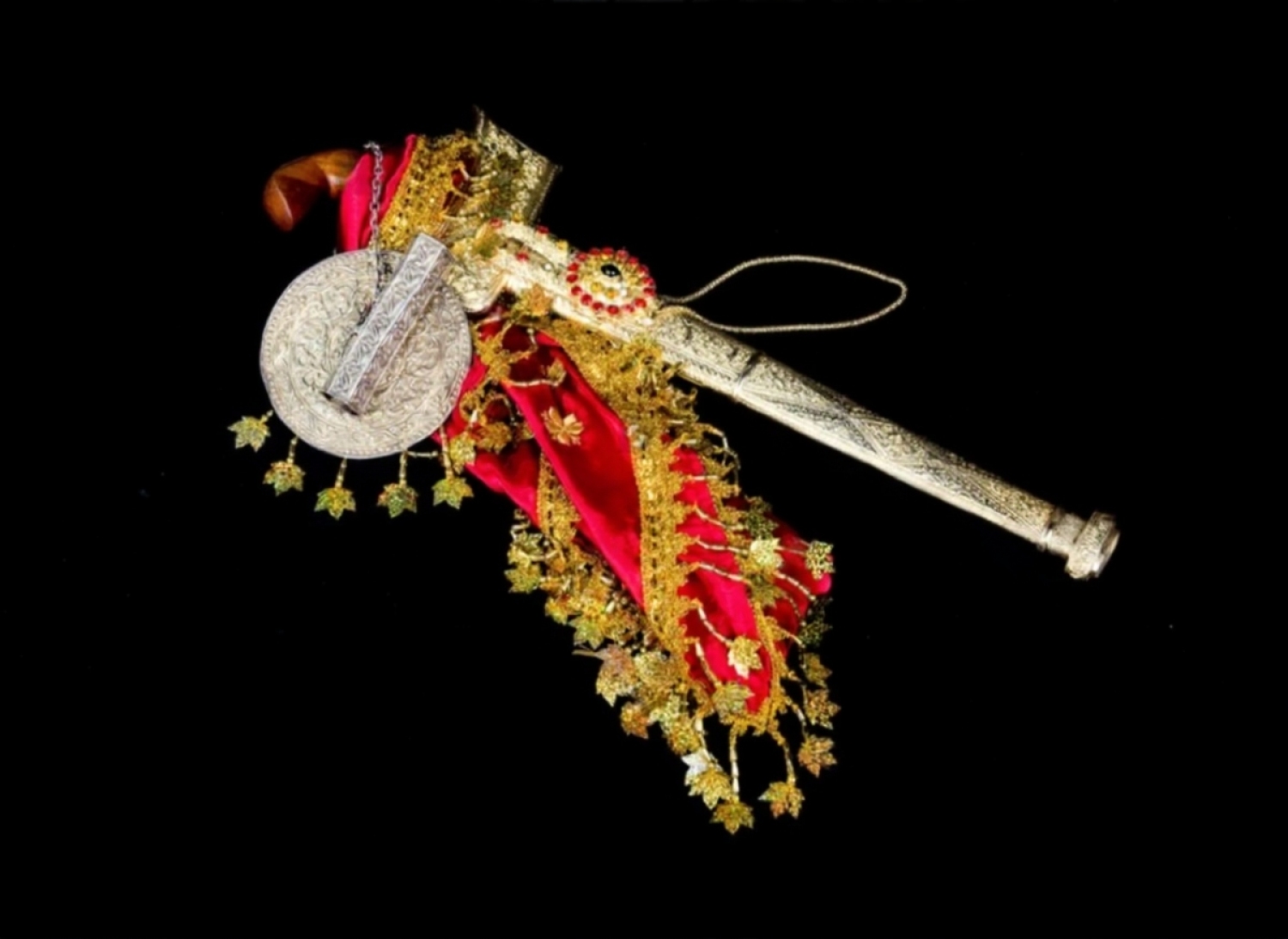
The Malay–Bugis Keris of the Riau Islands is one of the region’s most distinctive traditional crafts. It reflects the identity of the local Malay community, shaped by long-standing interactions with Bugis heritage. The keris is not only a symbolic weapon but also a detailed handcrafted artwork created by skilled local blacksmiths.Its slender form, carved wooden hilt, and intricate blade patterns make the Malay–Bugis Keris one of the most valued artistic traditions in the Riau Islands. Many visitors choose replicas or derivative crafts as collectibles or cultural souvenirs.What the Malay–Bugis Keris of the Riau Islands Offers1. Traditional Hand-Forged KerisEach keris is manually forged using traditional techniques, with every artisan creating unique blade patterns, handle designs, and decorative elements.2. Replica and Display VersionsBeyond ceremonial keris, artisans also produce lightweight replicas designed for home décor or personal collections.3. Malay-Style CarvingsMany keris feature carved wooden hilts and scabbards reflecting Malay artistic motifs inspired by local nature.4. Artisan Craft DemonstrationsIn some areas, visitors can observe the forging process, offering insight into the craftsmanship and dedication behind each piece.5. Craft DerivativesArtisans also produce miniature keris, ornaments, and small souvenirs inspired by the traditional keris form.HistoryThe Malay–Bugis Keris developed from centuries of cultural exchange among Malay communities, Bugis settlers, and maritime societies in the Riau Islands. Historically, the keris symbolized status, lineage, and personal values. Its blade patterns often carry cultural meaning related to honor and wisdom.Although production declined during modernization, the craft has been revitalized through cultural workshops and preservation efforts. Today, the keris stands as a significant representation of the region’s metalworking heritage.Why the Malay–Bugis Keris Deserves AppreciationThe keris reflects the cultural journey, artistry, and historical identity of the Riau Islands. Its refined craftsmanship and deep symbolism make it a meaningful piece of regional heritage worthy of recognition.
