


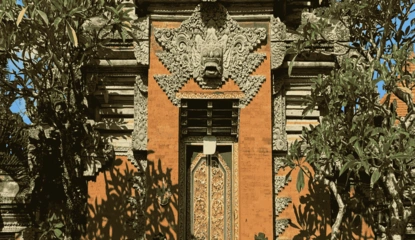

Museum Wayang Indonesia Wonogiri is a specialized museum located in Wuryantoro District, Wonogiri Regency, Central Java. The museum is dedicated to the preservation, documentation, and education of Indonesian wayang, one of the richest forms of Indonesia’s intangible cultural heritage.
The presence of Museum Wayang Indonesia Wonogiri enriches the cultural tourism landscape of Central Java. With its authentic and representative collections, the museum has become a worthy destination for both domestic and international visitors who are interested in exploring Indonesia’s cultural wealth, particularly the art of traditional puppetry.
Type and Management of Museum Wayang Indonesia Wonogiri
Museum Wayang Indonesia Wonogiri is classified as a specialized museum, Type C, which means it focuses on a specific theme—traditional Indonesian wayang.
The museum is owned by the Government of Wonogiri Regency and managed by the Department of Education and Culture of Wonogiri Regency. The management is responsible for all operational aspects of the museum, including the care of wayang collections, exhibition planning, and the organization of educational activities that actively involve the wider community.
History of Museum Wayang Indonesia Wonogiri
Museum Wayang Indonesia Wonogiri was established on the initiative of the then Regent of Wonogiri, Begug Poernomosidi, as a concrete effort to preserve traditional wayang arts in the region. The museum was officially inaugurated in 2004 by the President of the Republic of Indonesia, Megawati Soekarnoputri.
From its inception, the museum was designed as a documentation center for wayang traditions from various regions of Indonesia. The collections on display reflect the cultural diversity of the archipelago, particularly from Central Java, West Java, and Bali.
Collections of Museum Wayang Indonesia Wonogiri
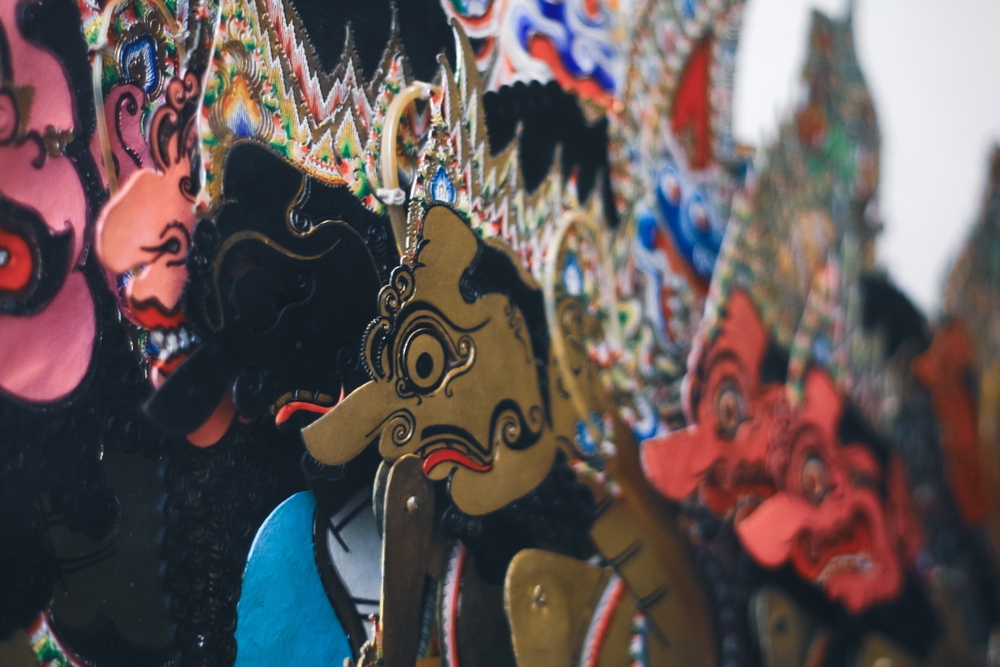
The museum houses approximately 200 wayang collections consisting of various types, including:
- Wayang Kulit Purwa
- Wayang Golek
- Wayang Bali
- Wayang Klitik
- Wayang Suket (grass puppets)
- Wayang Beber
- Masks
- Wayang components (bakalan wayang)
In addition to wayang, the museum also features other unique collections, such as a 3×3 cm painting by Ki Djoko Sutedjo, recognized by MURI as the smallest Semar painting in Indonesia, which adds a distinctive value to the museum’s collection.
Vision of Museum Wayang Indonesia Wonogiri
The main vision of Museum Wayang Indonesia Wonogiri is to establish Wonogiri as a strong cultural city by preserving wayang as both a local and national cultural identity.
Mission of Museum Wayang Indonesia Wonogiri
To achieve this vision, the museum carries out several missions:
- To develop the museum as an attractive cultural tourism destination for local communities and visitors from other regions.
- To organize educational and creative activities related to wayang and traditional arts.
- To promote research and conservation efforts to ensure the sustainability of wayang collections for future generations.
Through these missions, the museum is committed to strengthening public appreciation of wayang heritage as both an educational medium and a form of cultural entertainment.
The Role of Museum Wayang Indonesia Wonogiri in Cultural Education
Museum Wayang Indonesia Wonogiri functions not only as an exhibition space but also as a center for cultural education. The museum is frequently visited by students, university scholars, and researchers who wish to study wayang traditions directly. Interaction with the collections and exhibition information provides in-depth insights into the philosophy, ritual functions, and craftsmanship techniques of wayang from various regions.
Museum Wayang Indonesia Wonogiri, Preserving the Cultural Identity of the Archipelago
Museum Wayang Indonesia Wonogiri is one of Indonesia’s important cultural institutions dedicated to safeguarding the continuity of wayang as a vital expression of national heritage. Beyond its role as a documentation space, the museum serves as an educational center, a cultural tourism destination, and a platform for introducing Nusantara traditions to younger generations. Through its diverse wayang collections and inspiring cultural activities, the museum makes a significant contribution to strengthening both local and national cultural identity for visitors from diverse backgrounds.