



Baju Cele: A Traditional Maluku Garment with Deep Cultural Significance
Baju Cele is a traditional garment originating from Maluku, primarily worn by men during various ceremonial and important events. This attire not only serves as a body cover but also carries profound cultural meaning. This article will explore the distinctive features, motifs, usage, materials, philosophy, and unique facts about Baju Cele.
Distinctive Features of Baju Cele
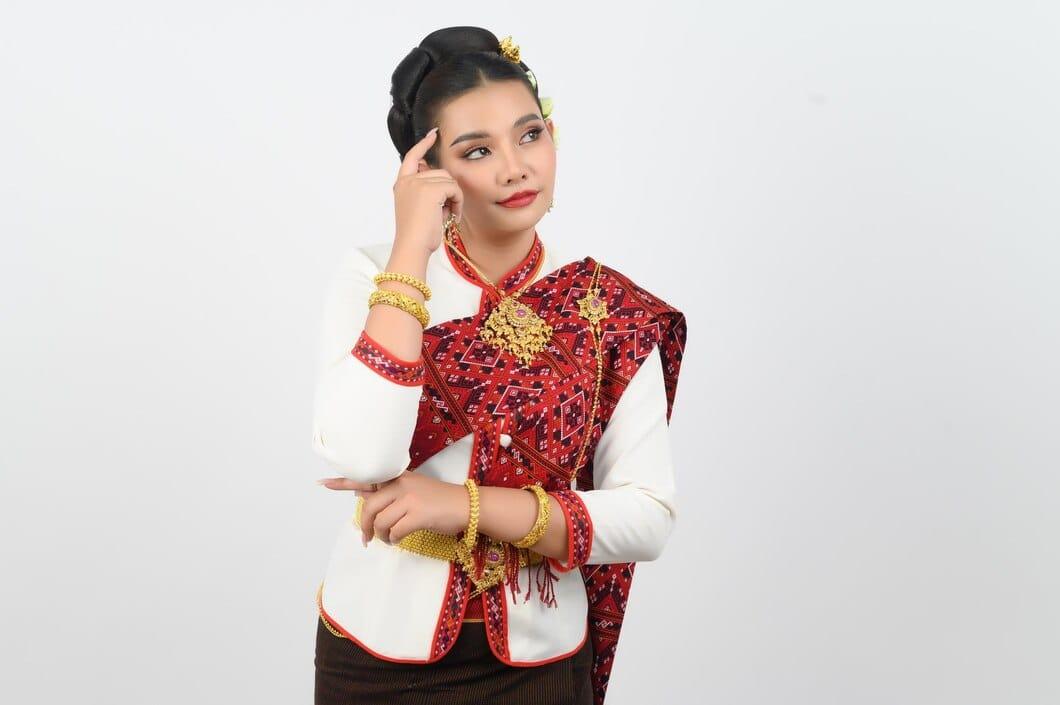
Baju Cele has a simple yet elegant design with a loose, comfortable cut. Its main characteristic is its loose fit, allowing freedom of movement for the wearer. The garment typically features long sleeves, and the collar is often adorned with simple accents or decorations that enhance its beauty.
Baju Cele is made from lightweight, easy-to-wear fabrics, making it suitable for the hot and humid tropical climate. The colors commonly used for Baju Cele tend to be bright and natural, such as red, blue, white, or neutral tones, which give it a simple yet appealing look.
Motifs of Baju Cele
The motifs on Baju Cele are not as intricate as those found in other traditional garments, but they still have an artistic touch that gives it a distinctive appeal. Some of the motif elements found on Baju Cele include:
- Embroidery or Traditional Accents: Some Baju Cele are embellished with embroidery on the collar or sleeve ends. These embroidered motifs often symbolize elements of Maluku life, such as local flora and fauna, as well as cultural symbols.
- Simple Geometric Motifs: Occasionally, geometric patterns such as lines or symmetrical shapes are used to add aesthetic value. Although simple, these motifs reflect the precision and balance valued in Maluku culture.
- Social and Cultural Symbols: Some Baju Cele also feature motifs that represent the wearer’s social status or position in society. For example, in formal or traditional events, the motifs on the garment may be more elaborate, reflecting the honor or status of the wearer.
Usage of Baju Cele
Baju Cele is typically worn during various traditional ceremonies, such as weddings, cultural celebrations, and religious events. It is also commonly worn by the people of Maluku in their daily lives, especially for occasions that involve the broader community or formal situations.
In the past, Baju Cele was often worn by noblemen or community leaders as a symbol of their social status. Today, although it is less frequently worn in daily life, Baju Cele is still preserved for traditional ceremonies and cultural events and is often worn by younger generations wishing to maintain Maluku’s cultural heritage.
Materials of Baju Cele
Baju Cele is made from comfortable and lightweight natural fabrics, ideal for the hot and humid climate of Maluku. Some of the materials frequently used for Baju Cele include:
- Cotton: Cotton is the most commonly used material in making Baju Cele. Cotton is lightweight, sweat-absorbing, and comfortable to wear, making it ideal for tropical climates.
- Linen: In addition to cotton, linen is also used for making Baju Cele. Linen is cool and absorbs sweat well, making it suitable for hot weather.
- Silk: For more formal Baju Cele worn during special occasions or major celebrations, silk may be used as the primary material. Silk adds a sheen and smoothness to the fabric, giving the garment a luxurious appearance.
- Natural Dyes: The dyeing of Baju Cele is often done using natural plant-based dyes or other organic materials. These dyes produce vibrant and long-lasting colors, while also being environmentally friendly.
Philosophy of Baju Cele
Baju Cele holds a deep connection to the culture and lifestyle of the Maluku people. The main philosophies embedded in Baju Cele include:
- Simplicity and Balance: Baju Cele is designed with a loose, simple cut, reflecting the Maluku people’s philosophy of simplicity, balance, and harmony in life
- Freedom: The loose cut of the garment allows freedom of movement, symbolizing the freedom and mobility of the Maluku people, who are often involved in maritime activities and agriculture.
- Honor and Respect: Baju Cele also symbolizes respect for tradition and culture. During ceremonial events, this garment is worn to show respect for elders, community leaders, and ancestors.
Unique Facts About Baju Cele
- Traditional Craftsmanship: The making of Baju Cele involves traditional techniques passed down through generations. The intricate crafting process requires high skill and precision, making each Baju Cele a unique piece of art.
- Elegance: Although Baju Cele may seem simple, every design element is carefully chosen to reflect the beauty and simplicity of the Maluku way of life. Despite its lack of elaborate motifs, every detail in the garment reflects a deep philosophy of life.
- Historical and Cultural Influence: Baju Cele is more than just a piece of clothing; it is a symbol of Maluku’s rich cultural heritage. It represents the long history of Maluku, known for its diverse culture, Islamic influences, and strong maritime traditions.
- Baju Cele in the Modern Era: Although Baju Cele is a traditional garment, it is being adapted and worn by younger generations in various forms and designs. This shows that despite changing times, the cultural heritage remains vibrant and relevant.