



In the Aceh region of Nanggroe Aceh Darussalam, traditional customs hold a special position in social and religious behavior. The saying "Hukom ngon Adat Hanjeut cre Lagee zat Ngon Sifeut" illustrates how Acehnese customs and Islamic law are intertwined, much like the relationship between flesh and bone, signifying that Acehnese customs are inseparable from Islam.
Before Islamic influence predominated, Acehnese customs were heavily shaped by Hindu culture, as Aceh was a significant stop in international maritime trade, facilitating cultural exchanges, including from India. Traditions such as peusijuk (tepung tawar), boh gaca (applying henna), kanduri blang (thanksgiving for the harvest), and peutron aneuk (childbirth rituals) reflect traces of Hindu influence. However, these traditions have been adapted to align with Islamic values.
The Meaning and Philosophy of Peusijuek
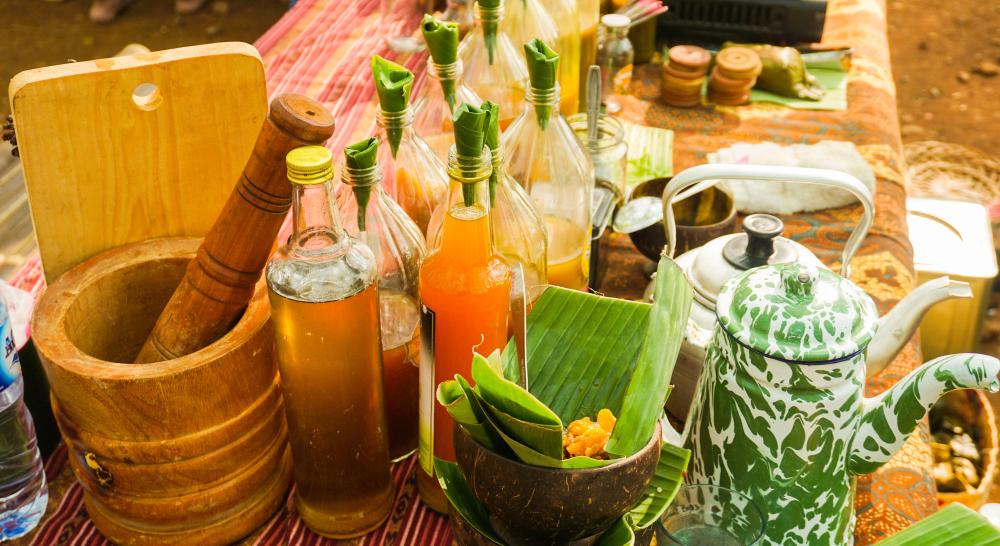
Peusijuek, or tepung tawar, is a traditional ceremony symbolizing prayers for safety, peace, happiness, blessings, and forgiveness. Present in various Acehnese ceremonies, such as weddings, circumcisions, pilgrimages, house-building, and welcoming guests, the ceremony is led by a Tengku (religious scholar) or elder who offers prayers and blessings.
The ceremony incorporates symbolic elements such as:
Water: Represents coolness and purity.
Rice: Symbolizes prosperity.
Leaves: Signify community bonds and harmony.
Types of Peusijuk Ceremonies
1. Peusijuk Meulangga
Performed after reconciliation between conflicting parties to strengthen brotherhood, using tepung tawar, leaves, and rice.
2. Peusijuk Pade Bijeh
Conducted before planting rice seeds to pray for healthy growth and pest-free crops. Elements like betel leaves, turmeric, patchouli, and taro symbolize resilience and fertility.
3. Peusijuek Tempat Tinggal
Performed in a new house to ensure blessings, health, and fortune for its residents, involving glutinous rice, tepung tawar, and leaves.
4. Peusijuek Peudong Rumoh
Held before building a house, with the main pillar anointed with tepung tawar to bless the construction process.
5. Peusijuek Keurubeuen
Conducted on sacrificial animals before slaughter to bless the ritual, using tepung tawar, lime, and perfume.
6. Peusijuek Kendaraan
Performed on vehicles to ask for safety during travel and to avoid accidents.
Elements of the Peusijuek Ceremony
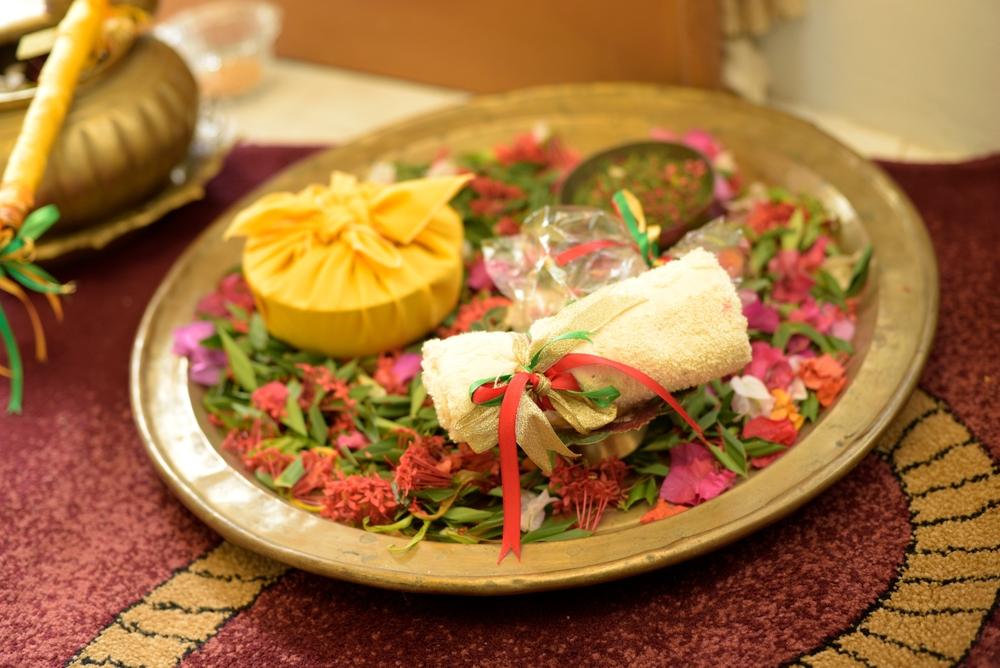
Each peusijuk ceremony involves meaningful materials, including:
Dalong: A container symbolizing unity.
Bu Leukat: Yellow or white glutinous rice, representing brotherhood, glory, and purity.
Teupong Taweue ngon Ie: A mixture of tepung tawar and water, symbolizing coolness and cleanliness.
Breueh Pade: Rice or paddy, signifying humility and prosperity.
Dedaunan: Leaves like betel, turmeric, and patchouli, symbolizing resilience, fertility, and togetherness.
Sangee: A covering symbolizing protection from Allah SWT.