



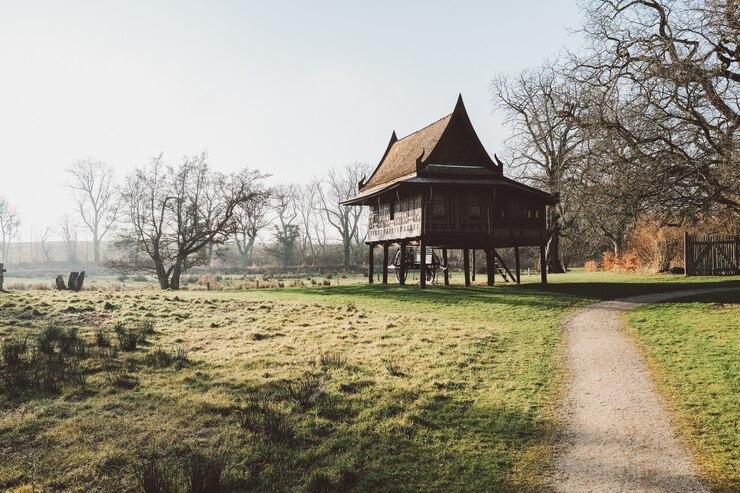
The Bayang Traditional House is the traditional house of the Mandar community in West Sulawesi. It reflects the culture and local wisdom of the Mandar people, symbolizing their traditions and way of life deeply rooted in customs and local values.
The Bayang House is a stilt house designed to adapt to the geographical conditions of West Sulawesi, which consists of highlands and coastal areas. In addition to serving as a residence, the house is also used for social and traditional activities, including family deliberations and traditional ceremonies.
Distinctive Features
Structure:
The Bayang House is built on wooden stilts approximately 1.5 to 2 meters high to protect against floods and ground moisture.The building materials consist of local wood such as jackfruit, coconut, or meranti wood, with the roof made of palm leaves (rumbia) or zinc. The roof is curved with sharp angles, providing optimal protection from tropical weather such as heavy rain and intense heat.
Room Layout:
Front Area (Veranda): Used for receiving guests and social activities with family.
Main Room: Serves as the living space for the core family, including bedrooms, a dining area, and a gathering space.
Kitchen: Located at the back of the house, used for traditional cooking.
Underneath the House: The area beneath the house is often used for storing harvests, agricultural tools, or keeping livestock.
Ornaments:
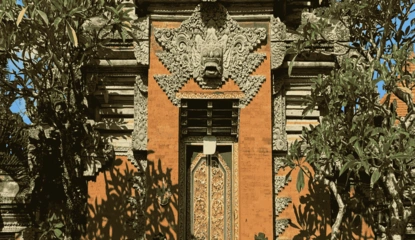
The Bayang House is often decorated with traditional Mandar carvings featuring floral and geometric patterns.
The natural wood colors are preserved to maintain the house's authenticity and aesthetic appeal.
Philosophical Meaning
The Bayang Traditional House embodies philosophical values that reflect the Mandar people's way of life:
1. Harmony with Nature: The eco-friendly structure represents a harmonious relationship between the Mandar community and their environment.
2. Simplicity: The house’s simple design reflects a modest and efficient lifestyle.
3. Togetherness: The spacious interior emphasizes the importance of family ties and communal cooperation.
4. Cultural Identity: The Bayang House symbolizes the identity of the Mandar people, preserving their traditions and cultural heritage.
Functions of the Bayang Traditional House in Daily Life
1. Residence: Serves as a comfortable home adapted to West Sulawesi's tropical climate.
2. Social Activity Center: The veranda is often used for welcoming guests, hosting gatherings, or traditional events.
3. Storage for Harvests: The space beneath the house is utilized for storing agricultural produce such as rice and corn.
4. Cultural Preservation: The Bayang House is a cultural heritage symbol preserved by the Mandar community.
5. Tourist Attraction: The Bayang House is now a cultural tourism destination in West Sulawesi, showcasing Mandar traditions and local wisdom to visitors.