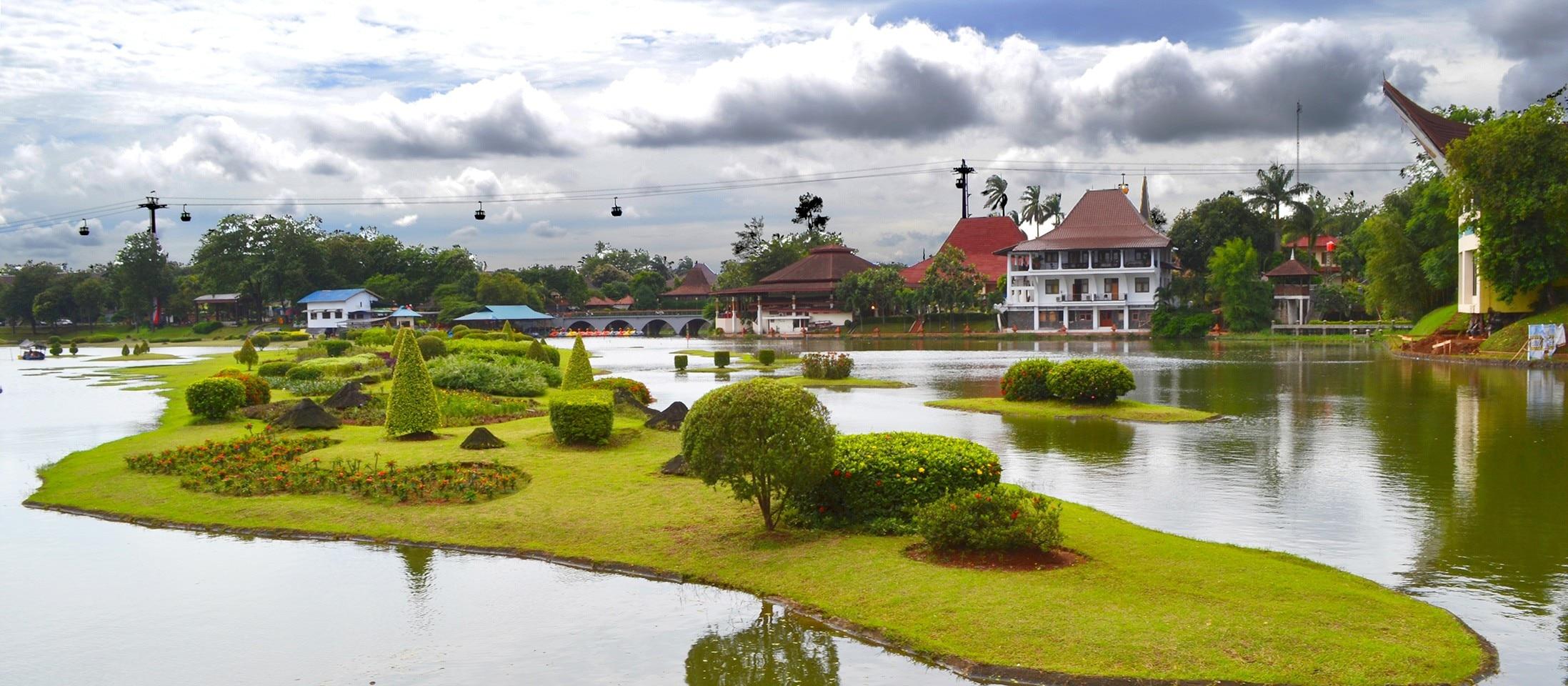






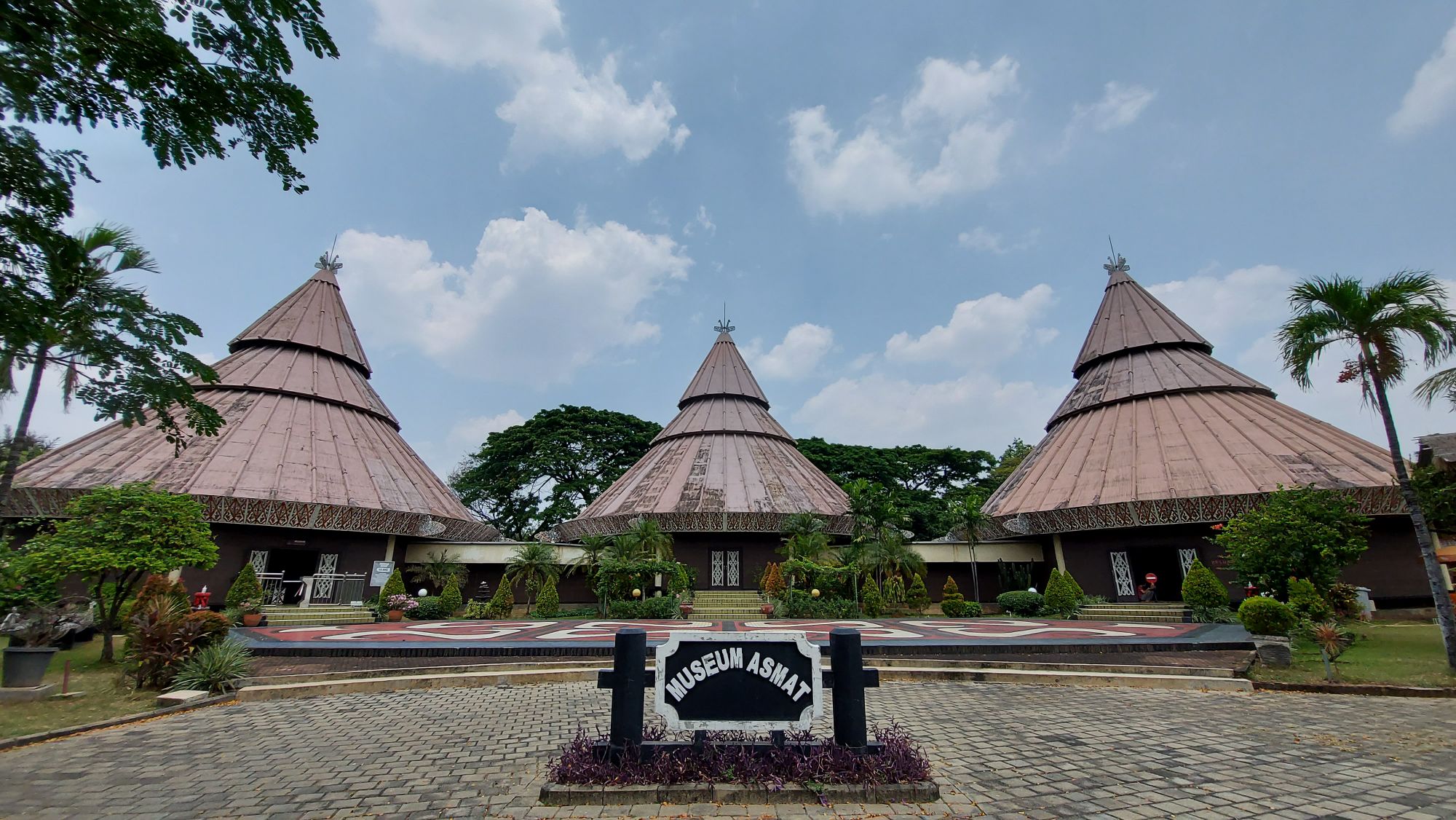
The Asmat Museum is a specialized ethnographic museum located within Taman Mini Indonesia Indah (TMII) in East Jakarta, Indonesia. This museum presents the rich cultural heritage, artistic traditions, and daily life of the Asmat people from Papua, one of Indonesia’s most distinctive indigenous communities.
Rather than merely displaying objects, the Asmat Museum offers an educational experience that deepens visitors’ understanding of Papuan culture and craftsmanship through its curated collections.
Museum Type and Management
Asmat Museum is classified as a special museum because its collections are devoted to the culture of a specific ethnic group. The museum houses ethnographic items that showcase traditional attire, hunting tools, ceremonial objects, carved ancestral figures, and other cultural artifacts created by the Asmat community.
Unlike general history museums, Asmat Museum focuses on one cultural heritage, making it a key reference point for those seeking authentic insights into Papua’s artistic and social traditions.
The museum is owned by the Ministry of State Secretariat of the Republic of Indonesia and managed by PT Bhumi Visatanda Indonesia (BHIVA). This management structure ensures that the museum collections are maintained with professional care and that educational programs align with national cultural policies.
The museum’s management oversees exhibition planning, artifact preservation, and public engagement activities designed to enrich visitor experiences.
History of Asmat Museum
The idea for building the Asmat Museum emerged after the success of the Production Indonesia exhibition in 1985, which highlighted the unique artistry and craftsmanship of Asmat cultures.
Construction began on 20 February 1986 and was completed in just 51 days. The museum was inaugurated on 20 April 1986 by the then President of Indonesia. The building was designed to evoke the traditional kariwari house, a sacred structure of the Tobati-Enggros people of Papua.
The museum’s architecture combines traditional elements with modern design, featuring an octagonal structure and a tall conical roof adorned with sago leaf motifs, reflecting the harmonious blend of culture and creativity.
Vision of the Asmat Museum
The vision of the Asmat Museum is to introduce, preserve, and develop the cultural heritage of the Asmat people to a wider audience. The museum aims to be a cultural bridge that connects visitors with Papua’s artistic legacy and community values.
Mission of the Asmat Museum
To realize this vision, the museum has established several key missions:
- Develop the museum as an engaging cultural learning center that blends education and entertainment.
- Become a primary reference for learning about the Asmat community within TMII and beyond.
Through these missions, the Asmat Museum commits to being more than a historical repository, it aspires to be a dynamic cultural institution.
Asmat Museum, A Gateway to Papua’s Rich Traditions
The Asmat Museum offers a rare opportunity to explore the remarkable cultural heritage of the Asmat people, one of Papua’s most fascinating indigenous groups. Through carefully curated artifacts and immersive displays, the museum connects visitors with traditional life, artistic expression, and the deep history of Asmat communities. Whether you are a student, researcher, or cultural enthusiast, a visit to the Asmat Museum provides meaningful insights into Indonesia’s diverse cultural landscape.