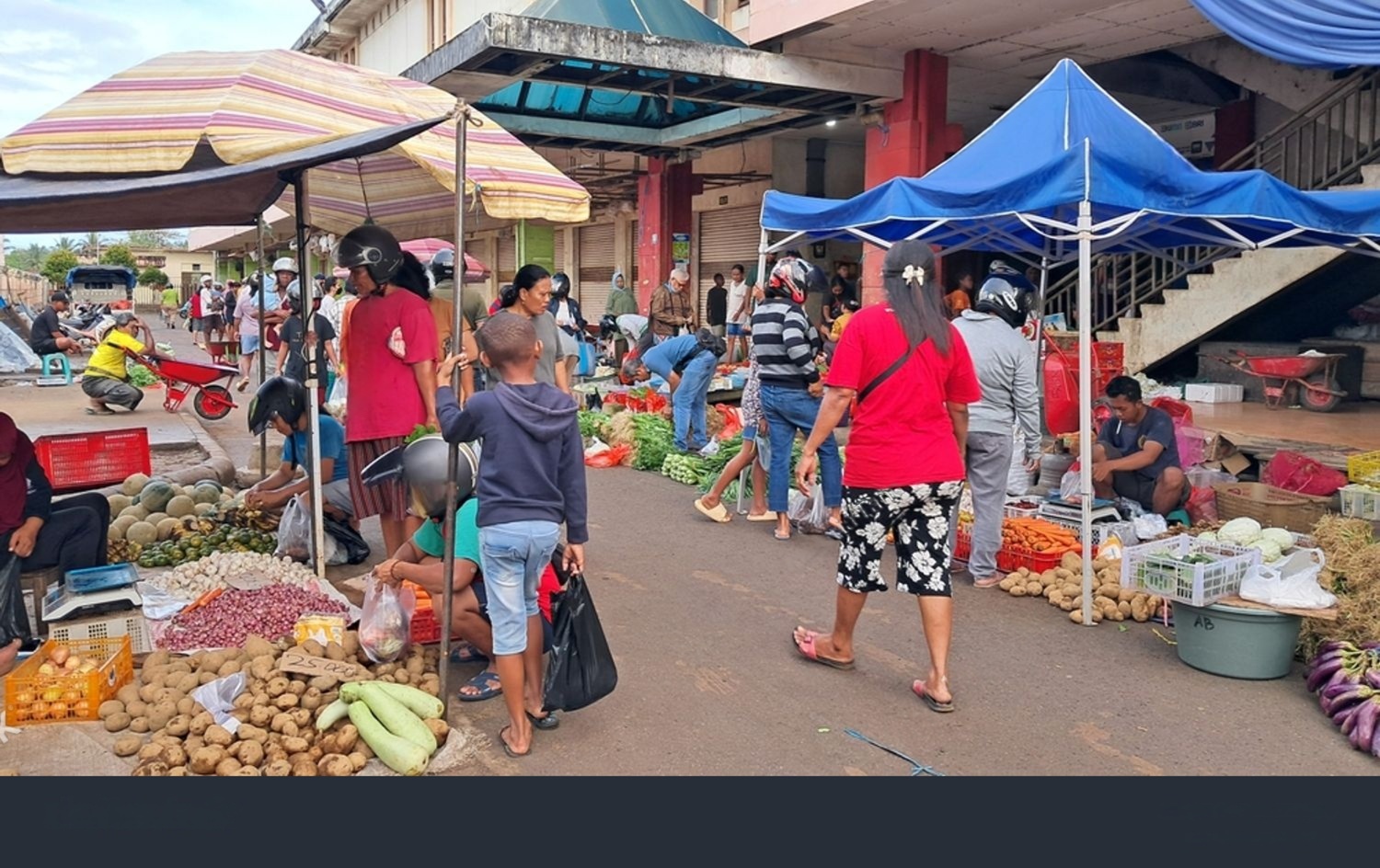



South Papua is known for its cultural diversity, abundant natural resources, and a way of life that remains deeply connected to the environment. Amid this vibrant landscape lies an important center of economic and social activity for local residents: Wamanggu Market.Located in Merauke, this market is one of the largest and busiest in southern Papua, serving as a meeting place for traders, farmers, fishermen, and artisans from various districts and villages.As a traditional market bustling from morning until late afternoon, Wamanggu Market not only provides daily necessities but also showcases the warm, colorful, and culturally rich atmosphere of South Papua.The Lively and Diverse Atmosphere of Wamanggu MarketEvery morning, Wamanggu Market comes alive with activity. Vendors from neighboring villages arrive with produce from their gardens, fresh fish, and various traditional products. The atmosphere is lively yet orderly, with an array of local goods neatly displayed on simple stalls.Some of the most common products found at Wamanggu Market include:Sago, the staple food of the South Papuan community
Fresh fish from the Merauke coastline and the Arafura Sea
Local vegetables such as taro, cassava leaves, and other organic produce
Tropical fruits including bananas, papayas, mangoes, and pineapples
Fresh meats such as free-range chicken and beef
Traditional spices and local cooking ingredients
Locally made products such as village cakes, dried sago, and traditional snacks
Handicrafts including noken bags, bead bracelets, and unique South Papuan accessories
Interactions between sellers and buyers are often filled with friendly bargaining, creating an authentic and vibrant market atmosphere. The aroma of traditional foods, the colorful displays of produce, and the sound of conversations all contribute to a uniquely enjoyable experience.The Social and Economic Role of Wamanggu MarketWamanggu Market plays a vital role in the lives of South Papuans. It is not only a place to shop but also a social hub where residents meet, exchange information, and strengthen community ties.Papuan women play a dominant role in this market. Many bring produce and seafood in noken bags and sell them to support their families. Their presence highlights the significant contribution women make to the local economy.The market is also a space for interaction among different ethnic groups. In Merauke, indigenous Marind communities live alongside migrants from various parts of Indonesia, and Wamanggu Market is one of the places where this diversity is most visible.What Makes Wamanggu Market UniqueWamanggu Market has several characteristics that make it one of the most fascinating markets in South Papua:A wide variety of local products, from agricultural goods and seafood to handicrafts
The strong presence of sago, reflecting the food identity of Merauke
A traditional market atmosphere preserved even in an urban area
Warm social interactions typical of Papuan communities
Fresh seafood sourced from the Arafura Sea
Distinctive South Papuan handicrafts, perfect as souvenirs
This market is not only a place for economic activities but also a cultural space that showcases everyday life in a real and vivid way.Wamanggu Market is one of the key centers of community life in South Papua, offering an authentic and meaningful experience. From agricultural produce to seafood, from handicrafts to traditional cuisine, everything reflects the deep connection between people and nature in this region.Visiting Wamanggu Market means experiencing the heartbeat of Merauke, a space that is lively, dynamic, and full of character.