

"Sasi Nggama: Disciplined Utilization of Marine Resources
Sasi Nggama is a tradition that teaches the community to be disciplined in using marine resources. This tradition applies a ""closed-open"" system, where rules dictate when the community is allowed to harvest marine products and when they must refrain.
The prohibition period can vary depending on the policies of each village. Some places impose a ban for 11 months, 2 years, or even up to 4 years.
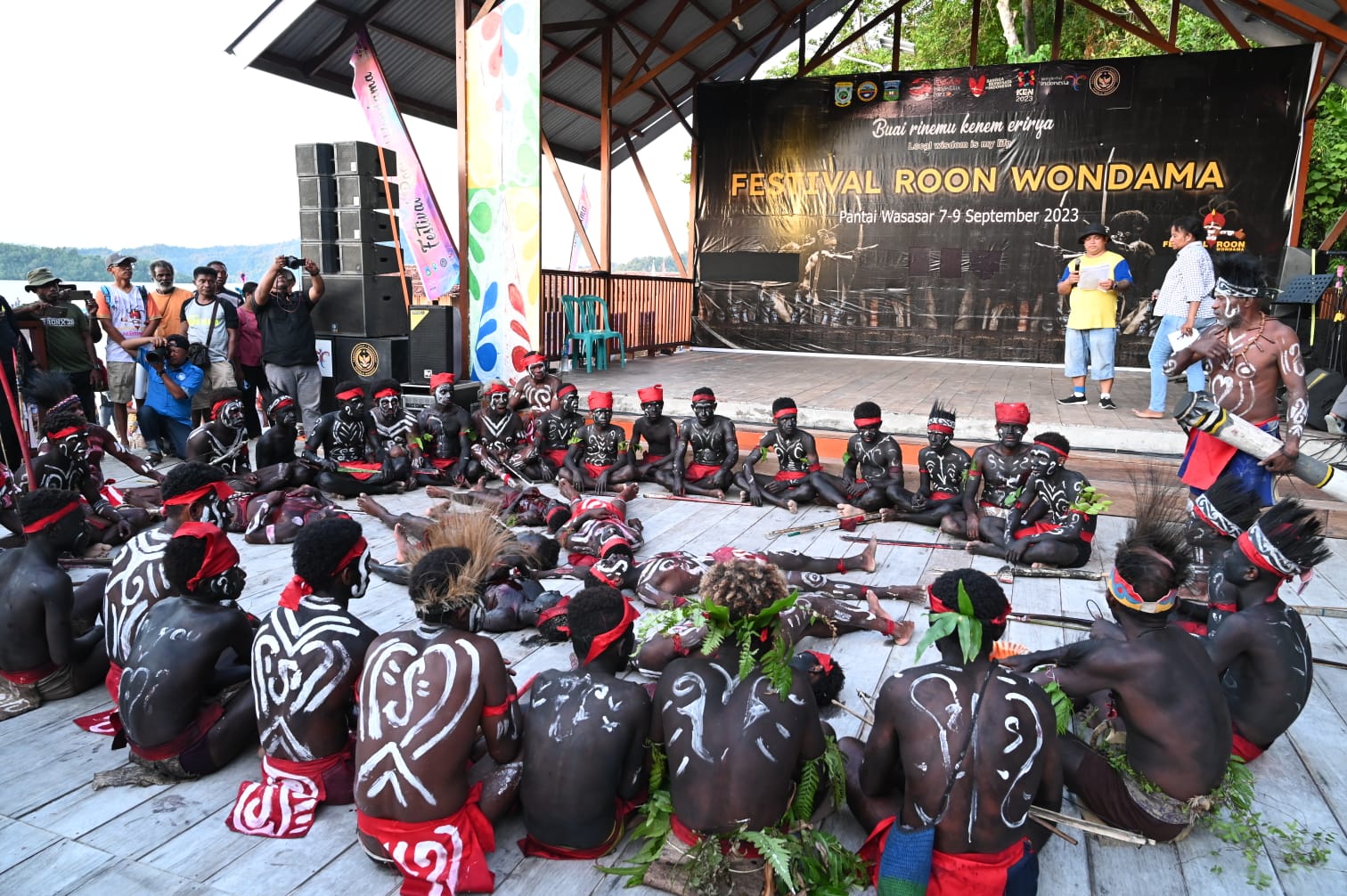
During the prohibition period, those who violate the rules are subject to fines as a form of sanction. To mark the reopening of the sea for harvesting, the local community typically holds a traditional ceremony. For instance, on Nawarum Island, the community will remove the coconut fronds that have been used to indicate the ban period. These fronds are then dipped three times in the sea as a symbol of the reopening of marine resources.
In addition, the ceremony often includes the preparation of offerings as a form of respect to the natural world that provides the marine resources. Even after the ban is lifted, the community is reminded to harvest responsibly and not take endangered or rare marine resources.
Three Zones in Kaimana Waters
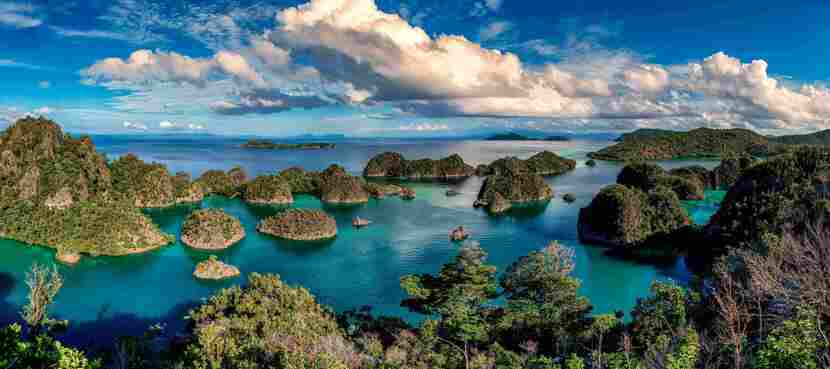
The waters of Kaimana are divided into three important zones that the community must respect when utilizing marine resources:
Sustainable Fisheries Zone:
Covers 97,293 hectares and is designated for the management of marine resources that can be sustainably harvested. The community is allowed to take marine resources from this zone, ensuring that it is done in a way that preserves the environment and ensures its continuity.
Tourism Zone:
Spanning 11,184 hectares, this zone is designated for tourism activities like snorkeling and diving. The marine ecosystem in this zone must be preserved to remain attractive to tourists while maintaining environmental sustainability.
Core Zone:
Covering 14,109 hectares, this zone is strictly protected. Within this zone lies a vast potential, such as the 8,000-hectare mangrove forest near Lakahia Island in Kaimana, which has high ecological value, particularly in carbon sequestration (blue carbon).
With the division of these zones, the community is expected to utilize marine resources properly and according to their designated purposes. Fishing or harvesting marine resources is not allowed indiscriminately; it must be done in the zones that have been agreed upon.
Preserving Kaimana’s Waters: An Inspiration for Other Regions
If the people of Kaimana continue to uphold the Sasi Nggama tradition and adhere to the regulations on the utilization of marine resources, the wealth of Kaimana’s underwater ecosystem will be preserved for generations to come.
This tradition plays an important role not only in preserving marine ecosystems but also serves as an inspiration for communities in other regions to be more disciplined and responsible in managing their natural resources, especially those related to the sea.
Through cooperation among local communities, the government, and visitors, Kaimana’s waters can continue to be an example of environmental sustainability that benefits not only the present generation but also future generations.
The Sasi Nggama tradition proves that with unity and respect for nature, abundant marine resources can be preserved and utilized wisely."