
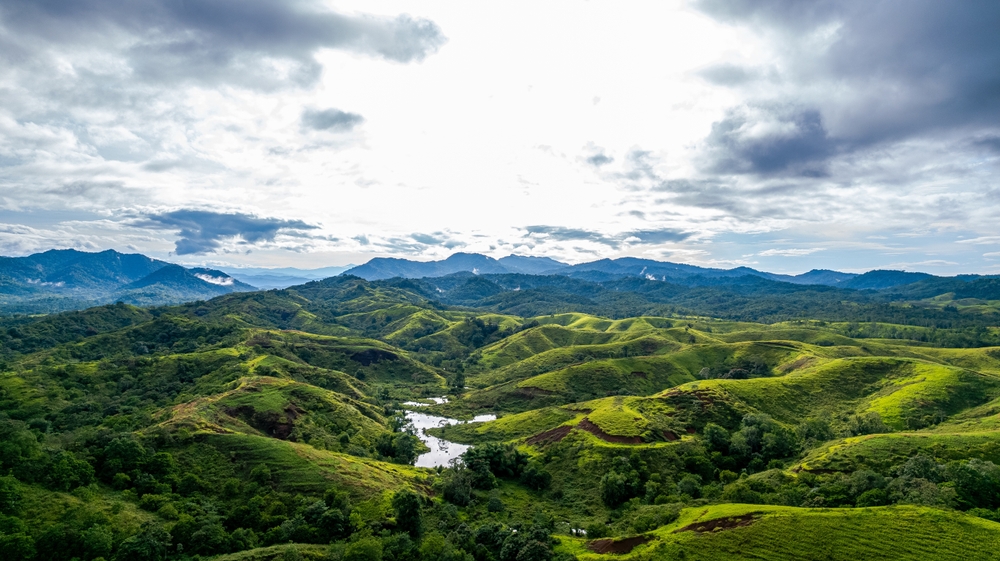
The Mee language, also known as Ekagi is one of the indigenous Papuan languages spoken by the Mee people in Central Papua, particularly in the regencies of Deiyai, Dogiyai, and parts of Paniai. The language is a vital part of local cultural identity, passed down through generations through daily conversations, traditional rituals, and ancestral stories.
Mee is not only a tool for communication but also a medium for expressing cultural values, ecological knowledge, and the community’s spiritual relationship with their land.
Origins and Distribution of the Mee Language
Mee belongs to the Trans–New Guinea language family, one of the largest linguistic groups in Papua. Its speakers are found mainly in:
- Paniai Regency
- Deiyai Regency
- Dogiyai Regency
- Highland and valley areas around Lake Paniai
The language is used by hundreds of thousands of speakers and remains the primary language of daily life in Mee communities.
Characteristics of the Mee Language
Mee has several unique linguistic features, such as:
- Direct and straightforward sentence structure
- Vocabulary rich in natural terms, showing close ties to the environment
- Many cultural expressions, especially related to customs, agriculture, and social life
- A strong, assertive intonation, reflecting the identity of the Mee people
Cultural and Social Role of the Mee Language
The Mee language plays an important role in various aspects of life:
1. Oral Tradition
Folktales, creation myths, and clan histories are narrated in Mee.
2. Traditional Ceremonies
Used in peace rituals, harvest celebrations, stone-burning feasts, and other cultural gatherings.
3. Family Education
Children learn life values, cooperation, and social ethics through their mother tongue.
4. Tribal Identity
Mee strengthens unity and cultural pride among the Mee people amid modernization.
Mee Language in the Modern Era
Although influenced by Indonesian, especially among younger generations, the Mee language continues to be preserved through:
- Community and church-based language teaching
- Documentation by linguists and anthropologists
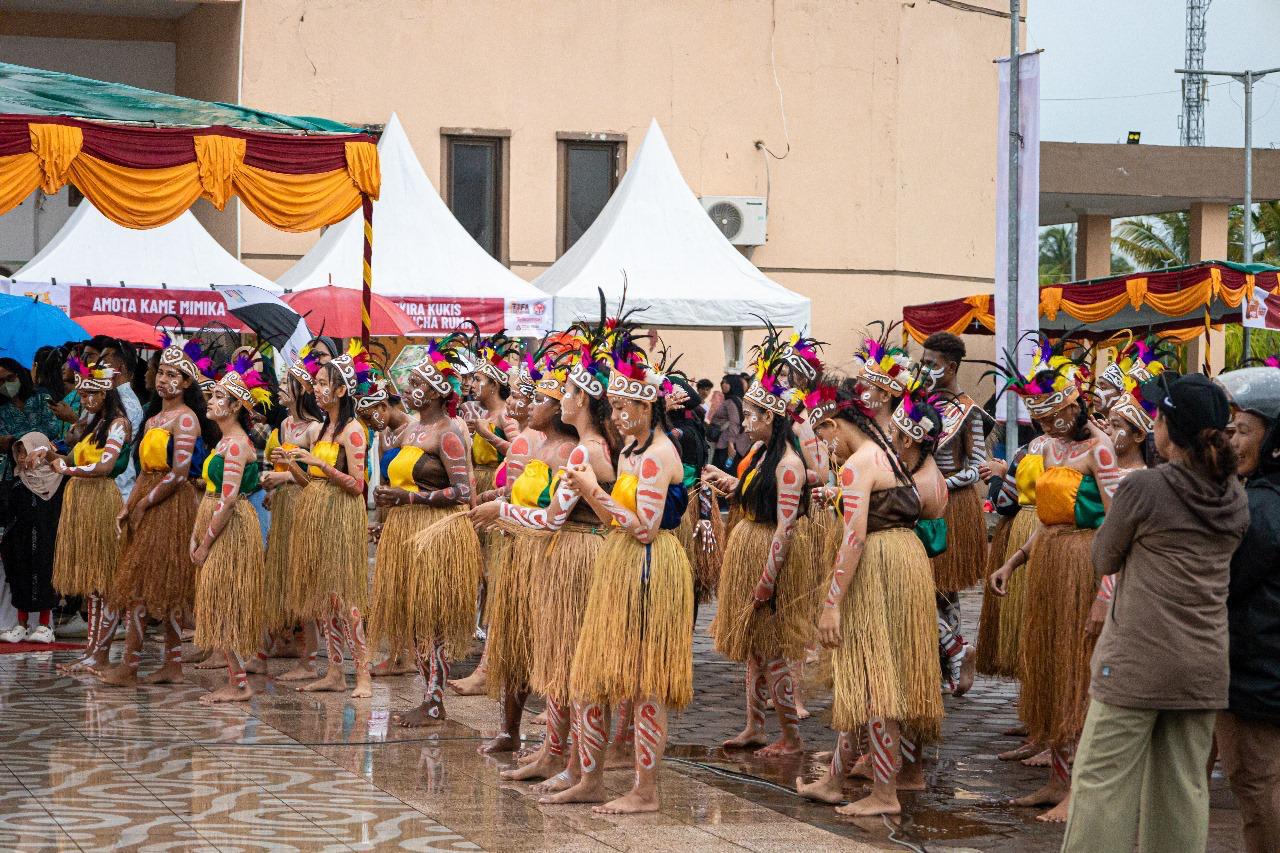
- Cultural arts such as traditional songs, dances, and dramas
Mee remains an important linguistic and cultural asset of Central Papua.
The Mee (Ekagi) language is an inseparable part of the cultural identity of Central Papua’s indigenous communities. Through this language, values, traditions, and ancestral wisdom continue to live on. Preserving Mee is essential to maintaining Papua’s cultural richness for future generations.