









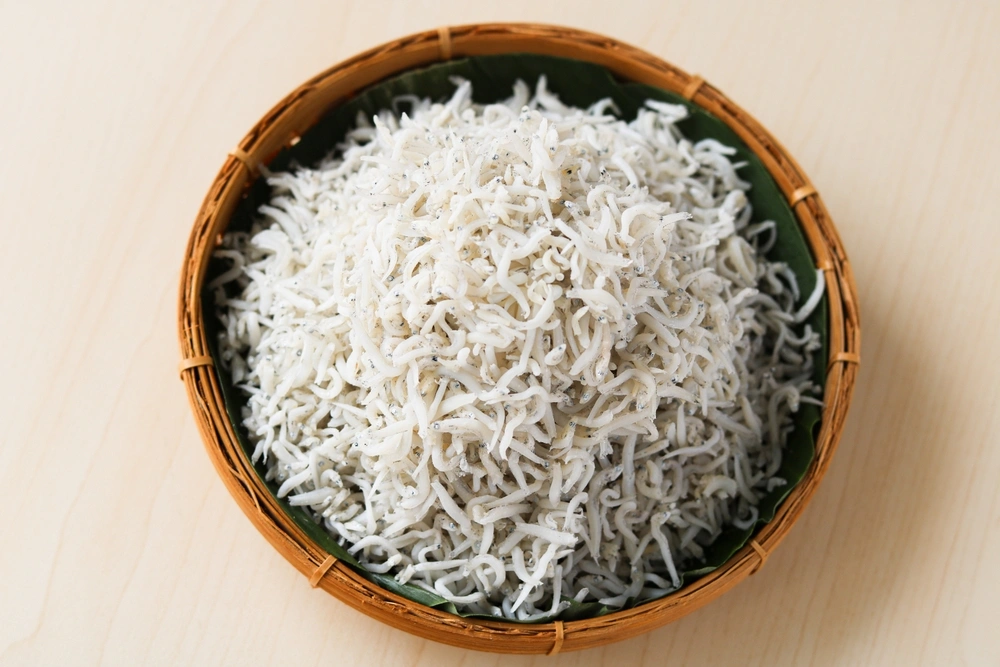
Central Papua is a region rich in culture and traditional cuisine. One of its unique and rarely found dishes is Aunu Senebre. This dish reflects the local wisdom of the people of Central Papua in processing seafood and natural ingredients. Aunu Senebre more than just food, it is an integral part of the cultural identity and social life of the local community.Origin and HistoryAunu Senebre originates from the culinary traditions of coastal and river communities in Central Papua. The word “Aunu” in the local language refers to a type of small fish or the main protein ingredient in the dish, while “Senebre” describes a cooking method using local spices and traditional preparation techniques.This dish has been enjoyed for decades and is a favorite during traditional ceremonies, family gatherings, and community events. Historically, the people of Central Papua have maximized the use of marine and river resources. Aunu Senebre was created as a way to process fish or other seafood into a nutritious and long-lasting food, suitable for daily consumption as well as special occasions. The dish represents the close relationship between the community and their natural resources.Ingredients and PreparationThe main ingredient of Aunu Senebre is usually fresh fish, though in some areas shrimp, crab, or small fish may also be used. Preparation begins with cleaning and cutting the fish into appropriate sizes.The fish is then cooked with Papuan spices, such as pandan leaves, chili, shallots, ginger, and other local herbs, which give the dish its distinctive aroma and flavor. One of the unique aspects of Aunu Senebre is its traditional cooking method. The fish is slowly steamed or boiled, sometimes with coconut milk or coconut oil, resulting in a savory, flavorful dish with an enticing aroma. The texture of the fish remains tender while the spices are fully absorbed, creating a distinct and authentic taste.Characteristics and UniquenessAunu Senebre is characterized by its natural savory taste, strong aromatic spices, and soft fish texture. Unlike modern seafood dishes, Aunu Senebre preserves the simplicity of its ingredients and traditional cooking methods, setting it apart from other seafood preparations.This dish is often served as a main course during traditional celebrations or offered to honored guests as a symbol of hospitality in Central Papua. Additionally, Aunu Senebre reflects the local wisdom in seafood preparation. All ingredients are sourced locally, minimally processed, and served fresh, making the dish both healthy and nutritious. Its simple cooking process ensures that this culinary tradition can be passed down through generations.Role in Daily LifeIn everyday life, Aunu Senebre is commonly eaten as a main dish accompanied by papeda, sweet potatoes, or rice. It can be found in local markets or traditional homes, especially in coastal and riverine areas of Central Papua. For traveller, tasting Aunu Senebre is an authentic culinary experience that offers insight into the traditions and lifestyle of the local people.A Cultural Heritage of Central PapuaAunu Senebre is more than just a meal; it is a cultural heritage of Central Papua—rich in flavor, full of meaning, and a reflection of the local community’s wisdom in utilizing natural resources. From its history and ingredients to its method of preparation, Aunu Senebre demonstrates how traditional cuisine can endure and remain relevant in modern life. Enjoying this dish means experiencing the culture, traditions, and daily life of Central Papua in every bite.