



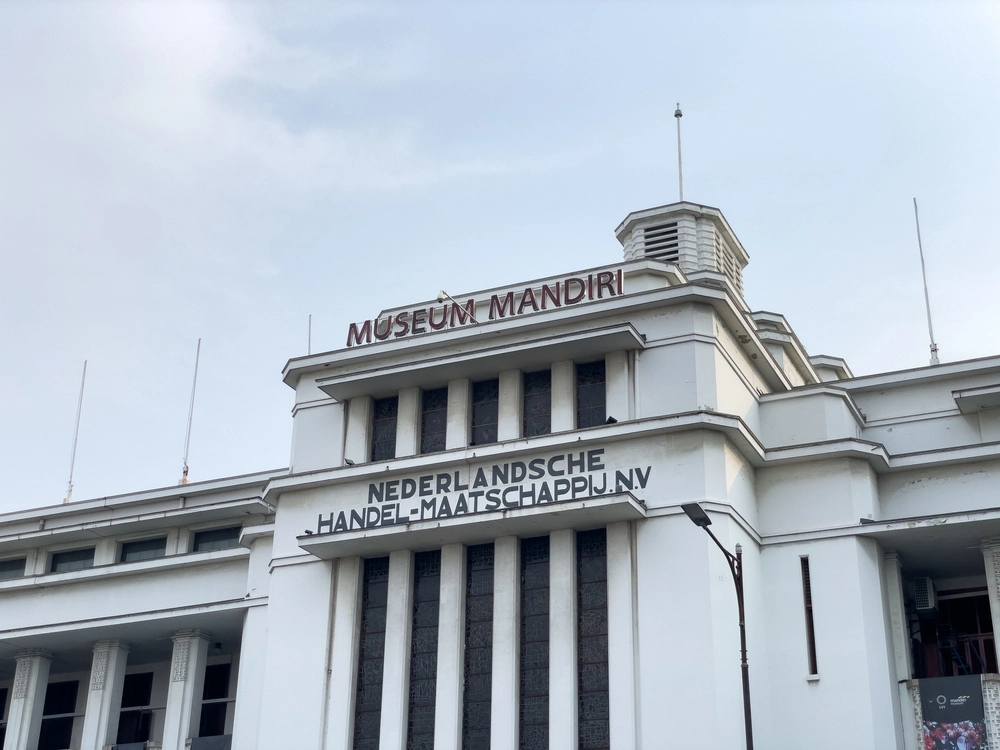
Mandiri Museum is a specialized museum in West Jakarta, Indonesia, dedicated to preserving and showcasing museum collections related to the history of banking and economic development in the country. The museum is part of the official Indonesian Museum network and listed under the Museum Registration system as a significant cultural institution that documents Indonesia’s financial heritage.
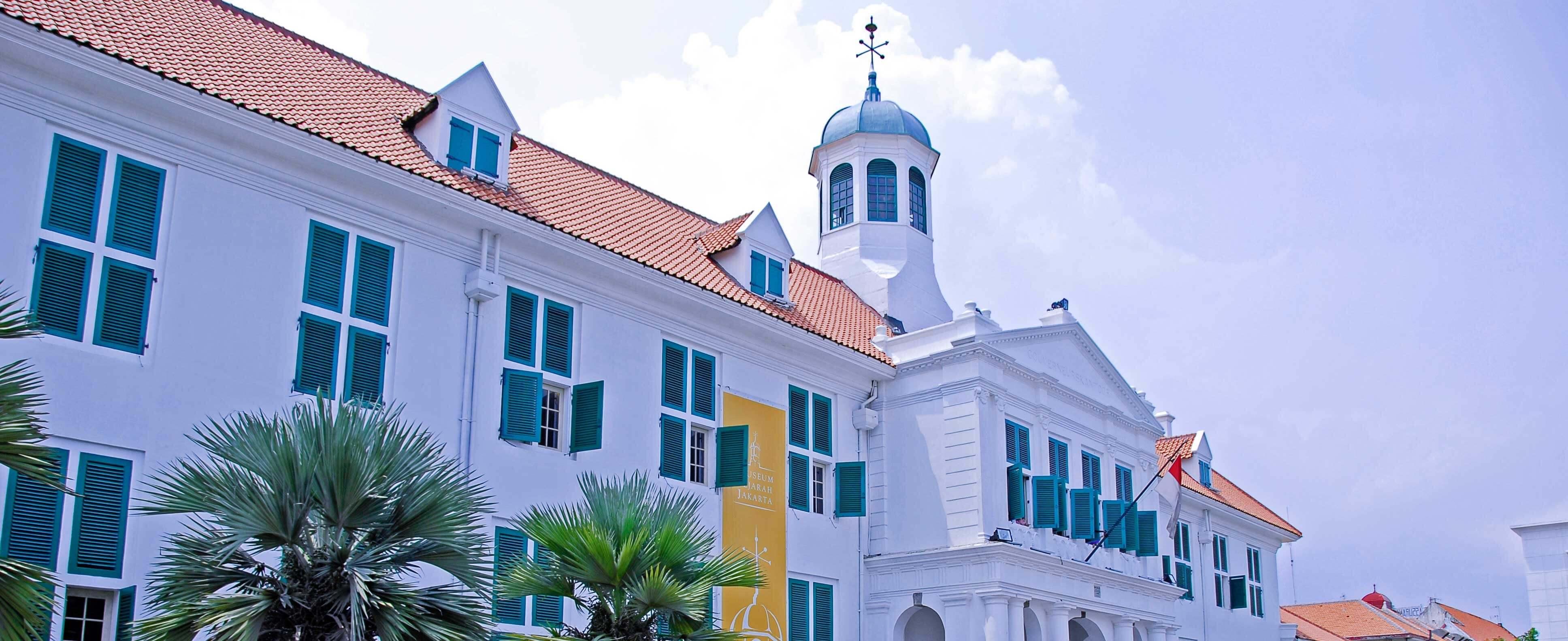
Located in the historic Kota Tua Jakarta district, the museum occupies a former headquarters of Nederlandsch Handel-Maatschappij (NHM), a Dutch trading company’s office built in 1929. This building later became part of Bank Mandiri’s heritage and was converted into a museum in 2004 to preserve Indonesia’s economic and banking history.
What Is Mandiri Museum?
Mandiri Museum is a specialized economic museum focusing on the evolution of banking operations from the Dutch colonial era to modern times. Its exhibits include banking machinery, financial documents, safes, and other artifacts that illustrate how banking services and financial systems developed in Indonesia over decades.
The museum also offers immersive experiences by recreating early 20th-century bank interiors that reflect the atmosphere and function of historical banking halls.
Type & Classification
- Museum Category: Specialized Museum — focusing on banking and economic history.
- Museum Type: Type A — indicating comprehensive exhibition spaces, extensive collections, and strong educational value.
This classification highlights Mandiri Museum’s role as an important cultural and educational institution within the Indonesian museum landscape.
Management and Ownership
Mandiri Museum is owned and operated by Bank Mandiri, Indonesia’s largest state-owned bank. The institution is responsible for conservation efforts, exhibitions, and public educational programs that help visitors understand the role of banking in Indonesia’s economic growth.
Through corporate stewardship, the museum functions not only as a cultural repository but also as a public learning space.
History of the Museum
Originally constructed in 1929 as the headquarters of Nederlandsch Handel-Maatschappij (NHM), the building served various banking functions throughout history. It was nationalized after Indonesia’s independence and later became part of Bank Export-Import (Bank Exim). With the merger of major state banks forming Bank Mandiri in 1998–1999, the property came under Mandiri’s ownership.
In 2004, Bank Mandiri repurposed the building into a museum to conserve and interpret the heritage of Indonesian banking and economic development. Today, Mandiri Museum stands as a tangible link between the past and the present financial landscape.
Museum Collections
Mandiri Museum showcases a range of museum collections, including:
- Historical banking equipment such as mechanical calculators and typewriters.
- Safe deposit boxes and large safes used for storing valuables through different periods.
- Financial ledgers and documents, including 19th-century transaction books.
- Other banking artifacts illustrating economic practices from colonial times to the modern era.
These collections offer valuable insights into economic history and financial practices in Indonesia.
Vision of the Museum
Mandiri Museum’s vision is to become a world-class banking museum that is informative, inspiring, and beneficial for the public, reflecting a commitment to preserving financial history and enhancing economic literacy.
Mission of the Museum
The museum’s mission includes:
- Managing the museum with professional and international standards.
- Developing the banking documentation center as an educational and inspirational resource.
- Participating in the revitalization of historic areas like Kota Tua Jakarta.
- Collaborating with institutions domestically and internationally to enhance museum development.
These missions support the museum’s role as a dynamic educational space highlighting Indonesia’s financial heritage.
Museum Mandiri offers a unique lens into Indonesia’s economic past, linking visitors with a rich tapestry of financial history through its well-preserved museum collections and historical narrative.