


Traditional textiles are a cultural treasure and an essential part of the nation’s identity, passed down from our ancestors. The diversity of their motifs and weaving techniques reflects the creativity and distinctive character of communities across the Indonesian archipelago.
Beyond their beauty, each motif carries its own story and philosophy, handed down from one generation to the next. It is no surprise that this heritage of the archipelago continues to be preserved and remains an important part of community traditions today.
History and Philosophy Behind Indonesian Traditional Cloth
The rich variety of Indonesia’s traditional textiles is shaped by a blend of historical influences, geographical settings, and local beliefs that developed in each region. Through their patterns and designs, these textiles become a way for communities to share stories, traditions, and life values passed down through generations.
Batik fabric has a long history with a philosophy of prayer and hope painted into every stroke of the wax. Its motifs reflect the balance of nature and social status, making it a world-recognized intangible cultural heritage.
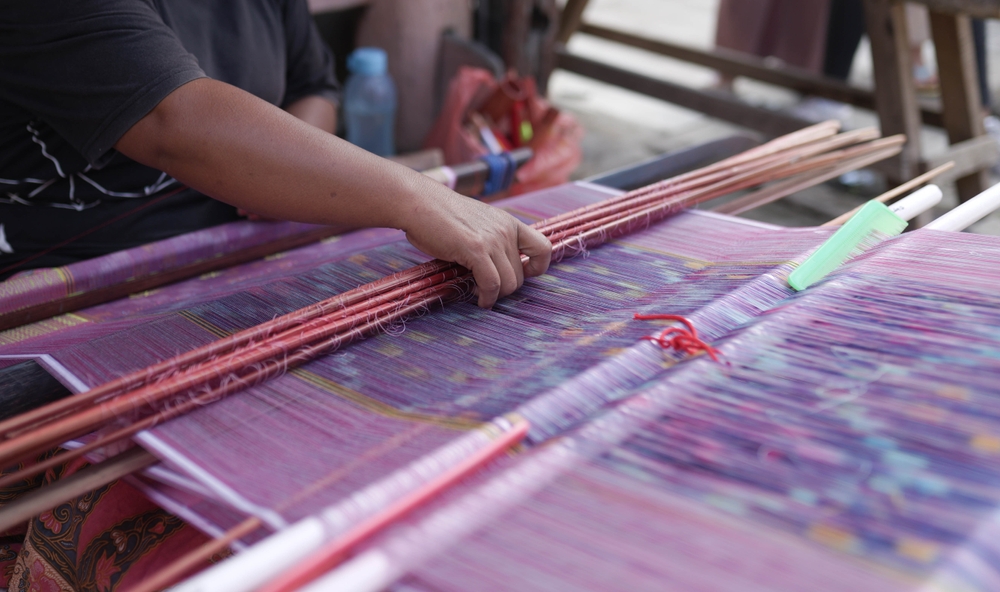
Weaving (tenun) developed alongside the migration and interaction of different communities. The process of arranging and interlacing threads requires not only precision, but also symbolizes patience and order. Its philosophy is often associated with social structures and the strong bonds of kinship within community life.
Songket, often referred to as the "Queen of Fabrics," emerged from historical trade influences characterized by its signature gold threads. This is a symbol of triumph, prosperity, and honor for anyone wearing it during traditional ceremonies.
More than just fabrics from the past, these traditional textiles are a cherished part of cultural heritage that continues to be preserved today. Within them are reflected the worldview and values of Indonesian society, honored and upheld through the ages.
Related article: Tenun Songket Riau: Elegance with Gold Threads
5 Traditional Indonesian Fabrics
The following are several traditional fabrics from various regions in Indonesia. Recognize their uniqueness, meaning, and functions:
1. Ulos, Symbol of Blessing
Ulos fabric is the pride of the Batak Tribe in North Sumatra, meaning a blanket that warms the body of its wearer. This cloth is made traditionally using a loom with a dominance of red, black, and white colors.
The uniqueness of Ulos lies in the weaving of gold or silver threads that add a sacred impression when used in various traditional ceremonies. Each type, such as Ragi Hidup or Sibolang, has a specific function, ranging from daily wear to formal shawls.
More than just clothing, the function of Ulos is as a medium for bestowing blessings, hope, and happiness from parents to children. This cloth is a symbol of spiritual protection and the bond of affection within a Batak family.
2. Tapis Cloth, Symbol of the Human Life Journey
The pride of Lampung, Tapis cloth is made from woven cotton threads decorated with beautiful gold or silk thread embroidery. Originally, this cloth was sacred and only worn to honor ancestors during religious rituals.
The philosophy is found in the ship motif, which is a symbol of the vehicle used to navigate the various phases of the human life journey from birth to death. Additionally, the type of Tapis motif worn also serves as an indicator of a person's social status.
Today, tapis is no longer worn only for traditional ceremonies, but has also evolved into a craft product that can be used in everyday life and brought home as a signature souvenir from Lampung. The combination of its beautiful embroidery techniques and the meaning behind each motif makes this textile truly special and highly valued.
3. Gringsing Weave Bali, Symbol of Health
Gringsing weaving from Tenganan Village, Bali, is the only cloth in Indonesia that uses the complex and rare double ikat technique. The name Gringsing comes from the words "gring" (sick) and "sing" (no), which means "repelling misfortune" or "not sick."
The primary function of this cloth is as a complementary tool in religious ceremonies and traditional rituals for the Tenganan Pegringsingan community. The production process takes years, which is why Gringsing is considered a sacred and highly valuable textile.
Local people believe this cloth possesses magical powers to protect the wearer from physical disturbances or illnesses. According to myth, the motif is a gift from Lord Indra, inspired by the enchanting view of stars in the night sky.
4. Ikat Weave Flores, Symbol of Unity
Flores Ikat weaving is known for its intricate production process, which must pass through at least 20 long stages and requires extraordinary patience. This cloth is produced in various regions such as Maumere, Sikka, and Ende with diverse patterns.
Each motif represents tribal identity and social life, such as the diamond pattern that symbolizes unity. This cloth functions as a cultural identity as well as a symbol of harmony within the diversity of the people in Flores.
Tourists can learn directly at the Rumah Tenun Baku Peduli in Labuan Bajo to understand the meaning of each pattern and try the weaving process. This education is the best way to appreciate a work of art rich in historical value.
5. Sumba Weave, Symbol of Human Life Values
Sumba weaving is very special because it uses natural dyes from noni roots and mud, with a production process that can take up to three years. A total of 42 stages must be completed to produce a high-quality piece, making it one of the most expensive textiles.
The fauna motifs used hold deep meanings, such as the horse for heroism, the chicken for the life of a woman, and the crocodile as a symbol of a king's strength. For the Sumba people, these animals are symbols of noble moral values and human dignity.
This cloth is considered sacred and must be present at every important moment of life, from welcoming a birth to funeral rituals. The strength of the motifs and natural techniques makes Sumba weaving an heirloom that records the life philosophy of the Sumba Tribe.
Related article: Visit These 5 Villages to Witness the Intricate Beauty of Ulos!
These traditional cloths are a national identity of Indonesia whose existence we should be proud of. Come and start your collection by buying them directly from their centers in each region, and plan your journey using the AI Plan Your Trip feature to make your itinerary more organized.
Furthermore, find various recommendations for places, such as tourist destinations, culinary spots, and accommodation at your destination, by utilizing the advanced virtual assistant MaiA, who is ready to accompany your journey.