





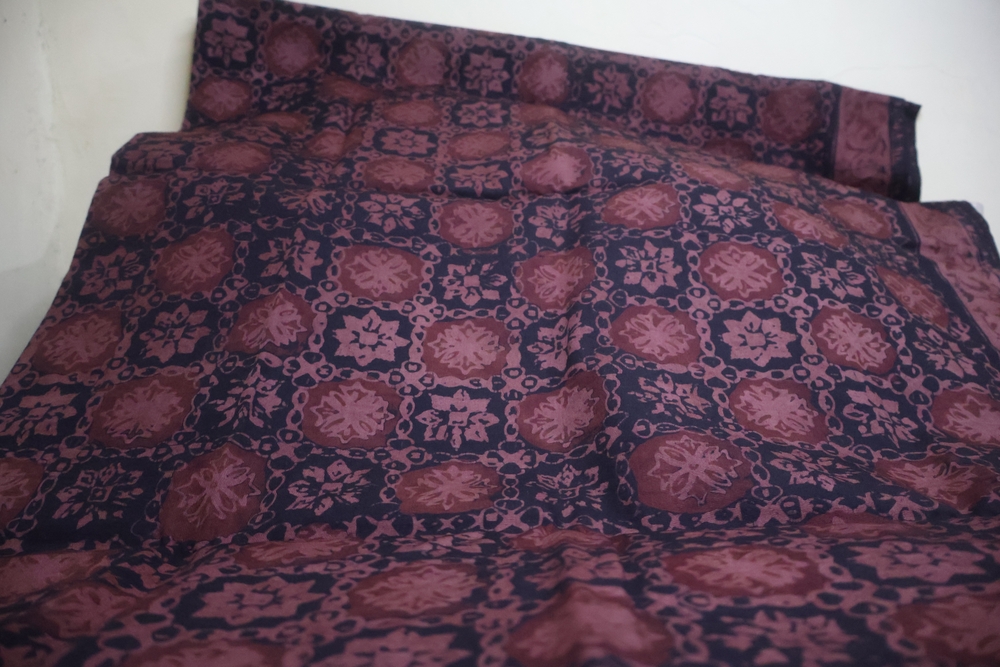
Batik is one of Indonesia’s most iconic textiles, and among its many regional variations, Jambi Batik stands out for its rich Malay character, bold colors, and elegant motifs. Originating from the Jambi Province on the island of Sumatra, this batik style carries deep cultural symbolism and artistic value.
Historical Background of Jambi Batik
Jambi Batik began to flourish in the 19th century through interactions with Malay, Chinese, and Arab traders. Over time, Jambi artisans developed a distinctive style that differs from Javanese batik in:
-
Color
-
Motifs
-
Canting techniques
Originally reserved for nobility and special ceremonies, Jambi Batik has grown into a prominent cultural and creative industry.
Distinctive Characteristics of Jambi Batik
1. Bold & Vibrant Colors
Jambi Batik is known for its strong and bright colors such as:
-
Red
-
Orange
-
Blue
-
Yellow
-
Brown
Many colors are derived from natural dyes like sepang wood and noni roots.
2. Nature-Inspired Malay Motifs
The motifs are drawn from local flora, fauna, and cultural elements, including:
-
Angso Duo (the Jambi icon)
-
Durian Pecah
-
Kapal Sanggat
-
Tampuk Manggis
-
Beetle motifs
-
Jasmine flowers
-
Bungo Pauh
Each motif carries symbolic meanings such as beauty, prosperity, and harmony.
3. Clean, Symmetrical Motif Lines
Unlike the intricate curves of Javanese batik, Jambi Batik features:
-
Bold outlines
-
Symmetrical shapes
-
Simpler yet refined designs
This gives it a distinct identity.
Cultural Usage in Jambi Traditions
Jambi Batik is widely used in:
-
Weddings
-
Welcoming ceremonies
-
Government events
-
Traditional rituals
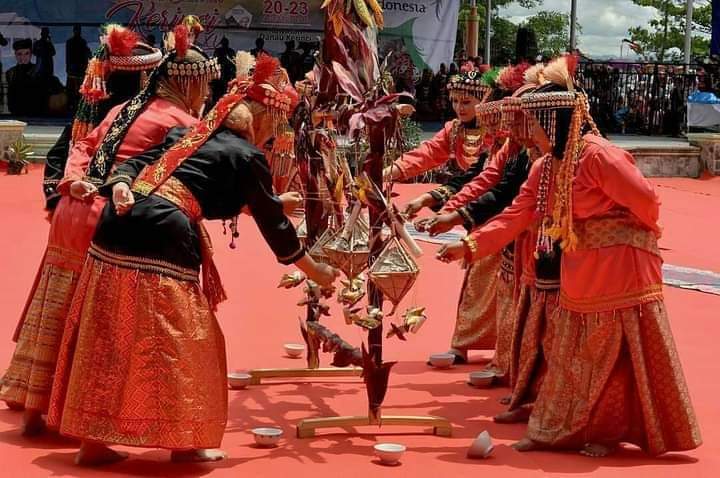
It is often combined with Jambi Songket to create luxurious attire.
Modern Adaptations
Today, Jambi Batik appears in:
-
Fashion dresses
-
Formal shirts
-
Bags and accessories
-
Interior decorations
-
Souvenirs
Its popularity continues to grow, highlighted in fashion shows and cultural festivals.
Jambi Batik is more than just a textile, it is a symbol of Malay culture and artistic heritage. With its vibrant colors, nature-inspired motifs, and traditional craftsmanship, this batik remains a proud representation of Jambi and Indonesia. Its timeless beauty ensures it remains cherished in both traditional and modern fashion.