

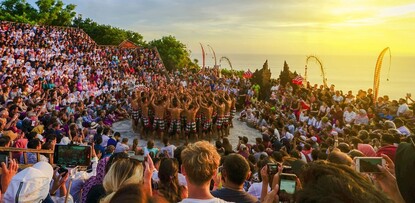

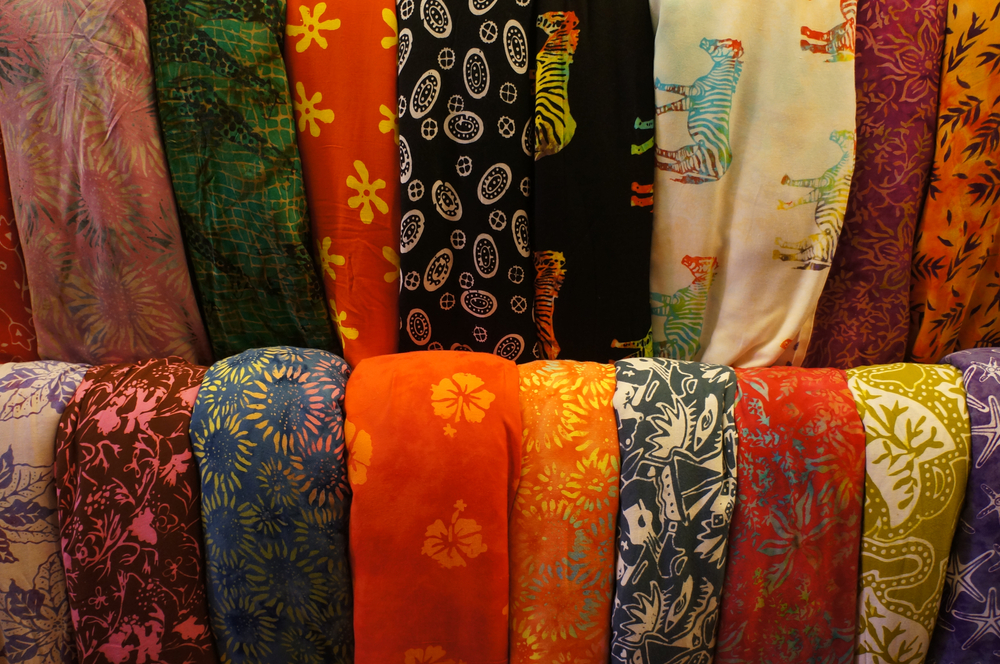
One of the many charms of the Island of the Gods lies not only in its breathtaking natural landscapes, but also in its traditional Balinese textiles that are rich in cultural and spiritual significance. These fabrics are more than decorative garments; they play an essential role in various religious ceremonies and customary rituals.
In every procession, traditional Balinese textiles carry symbolic meanings that reflect purity, balance, and social identity within the community. For this reason, they continue to be preserved and passed down from generation to generation.
Let’s take a closer look at the types of traditional Balinese fabrics you should know.
5 Traditional Balinese Fabrics You Should Know
Each piece of traditional Balinese fabric has its own characteristics, meanings, and functions. This diversity can be seen in the various types of textiles that have developed over time and are still widely used today.
1. Endek
Endek is one of Bali’s most well-known traditional fabrics, created using the ikat weaving technique. Its motifs range from geometric patterns to contemporary adaptations that are now widely incorporated into modern fashion.
Symbolically, Endek represents creativity and the dynamic development of Balinese culture while remaining rooted in tradition. It is commonly worn during traditional ceremonies, official events, and even as institutional uniforms in Bali.
2. Gringsing
Gringsing originates from Tenganan Village in Karangasem and is made using the rare double ikat technique. The production process is highly meticulous and can take a long time, as it is crafted entirely by hand.
Philosophically, Gringsing is believed to offer protection against negative forces. Because of its sacred value, it is often used in specific traditional ceremonies and holds special significance within the local community.
3. Rangrang
Rangrang fabric is recognized for its distinctive openwork motifs forming unique geometric patterns. Its vibrant colors, such as red, blue, and yellow, make it easily identifiable.
The fabric symbolizes balance and the dynamic flow of life. It is frequently worn during traditional ceremonies and formal occasions as a mark of respect for Balinese heritage.
4. Poleng
Poleng features the iconic black-and-white checkered pattern widely seen across Bali. This motif represents the concept of Rwa Bhineda, the balance between two opposing forces.
Beyond being worn as traditional attire, Poleng is often used to wrap sacred statues or trees as a symbol of protection and harmony in nature.
5. Prada
Prada fabric is distinguished by its gold or metallic embellishments that create a luxurious appearance. It is typically used for formal traditional attire due to its elegant and striking design.
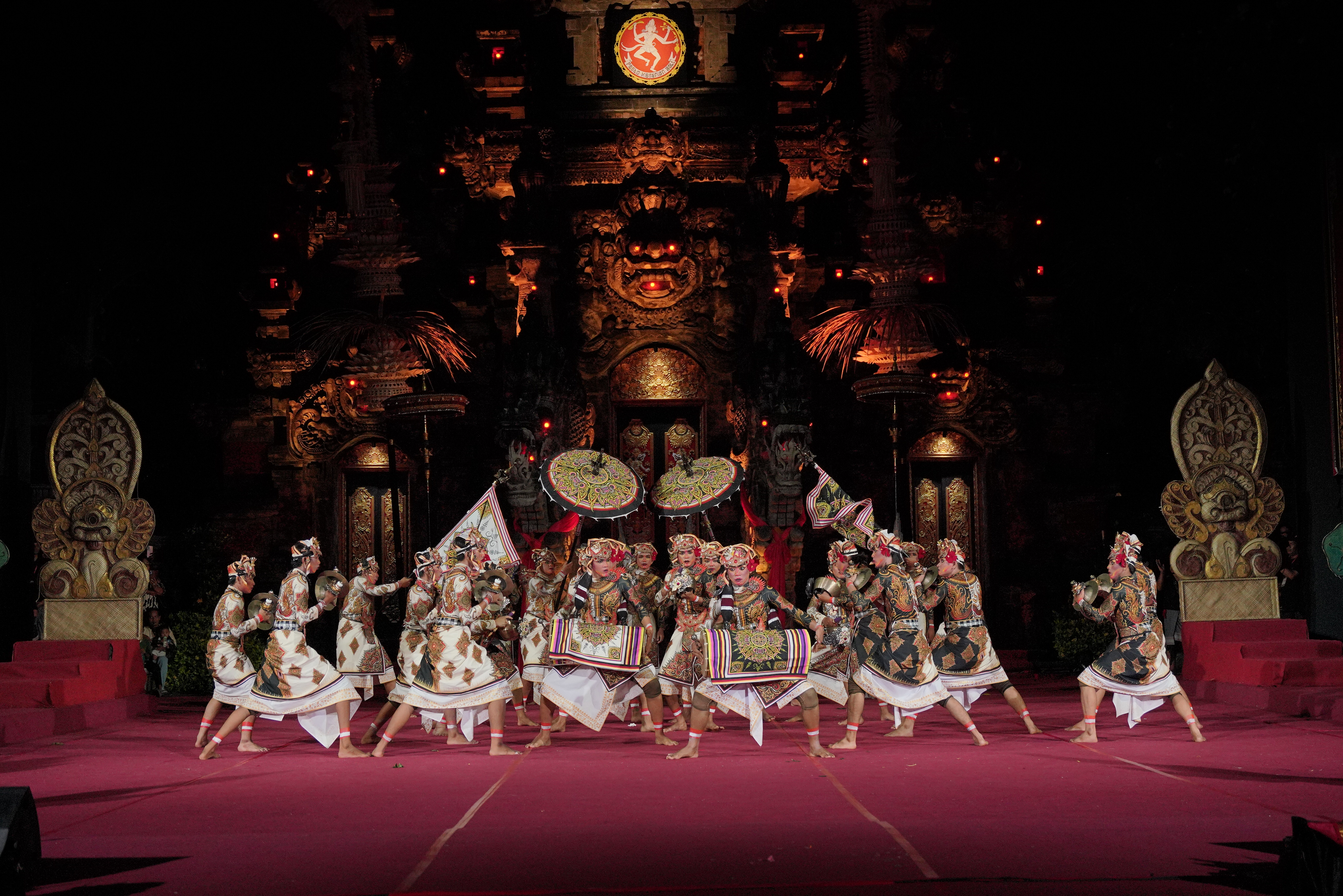
Prada symbolizes nobility and respect. It is commonly worn during major ceremonies, traditional weddings, and Balinese performing arts events.
Related Article: National Museum Collection & Cultural Heritage of Batik
Best Places to Buy Traditional Balinese Fabrics
If you are looking to purchase authentic Balinese textiles, here are several recommended places offering a wide selection at varying price ranges:
1. Sukawati Art Market (Gianyar)
Known as one of the most popular souvenir markets, Sukawati offers batik fabrics, traditional sarongs (kamen), and various Balinese woven textiles at relatively affordable prices.
2. Kumbasari Art Market (Denpasar)
Located in central Denpasar, this market is a favorite destination for finding kamen, batik, and other traditional crafts. The selection is extensive, with prices varying based on quality and craftsmanship.
3. Klungkung Market (Semarapura Market)
Established since the 1980s, this market is well known as a center for Balinese Endek weaving. Many local artisans sell their products here, making it a great place to find authentic motifs.
4. Luhur Busana (Kreneng Market)
Located on the first floor (No. 39-40) of Kreneng Market, this shop specializes in Endek textiles. It serves both retail and wholesale buyers and also accepts custom orders for events or uniforms.
5. Ubud Art Market
Ideal for those seeking Balinese ethnic fabrics in an artistic atmosphere. In addition to traditional textiles, visitors can also find accessories and handicrafts perfect as souvenirs.
Tips for Choosing & Caring for Traditional Balinese Fabrics
Before purchasing traditional Balinese fabrics, there are several important aspects to consider to ensure quality and authenticity:
-
Check the weaving technique
Authentic fabrics such as Endek or Gringsing are woven, not printed. The motifs are integrated into the fibers rather than simply applied to the surface.
-
Examine the back side of the fabric
Genuine woven textiles usually display visible motifs on both sides, although the reverse side may appear slightly softer in color. A plain or faded back often indicates a printed fabric.
-
Inspect the thread and pattern details
Authentic pieces have neatly arranged threads and precise patterns. Avoid fabrics with loose threads or uneven motifs.
-
Feel the texture
Handwoven fabrics generally feel denser and have a distinctive texture compared to imitation fabrics, which tend to be thinner and smoother.
Related Article: 5 Extraordinary Cultural Travel Ideas to Explore in Bali
If you plan to shop for traditional Balinese fabrics in person, make the most of the AI Plan Your Trip feature to organize your Bali itinerary efficiently. For additional recommendations on destinations, activities, and shopping spots, you can also consult MaiA to ensure your journey in Bali is well-planned and memorable.
Start packing your bags, it’s time to experience the magic of the Island of the Gods.