





The Kanoman Palace Heritage Building Museum is a specialized museum located within the Kanoman Sultanate Complex in Cirebon, West Java. The existence of this museum is inseparable from the long historical journey of the Kanoman Sultanate as one of the most important cultural centers in Cirebon.
The museum functions as a repository and exhibition space for royal heirlooms belonging to the Kanoman Palace, while also serving as an educational venue that introduces historical values, symbols of power, and court traditions to the wider public. Through the display of various artifacts and cultural relics, visitors are invited to trace the history of the sultanate and gain a deeper understanding of Cirebon’s rich cultural heritage, which continues to be preserved to this day.
Type and Management of the Museum
The Kanoman Palace Heritage Building Museum is classified as a specialized museum due to its specific focus on the history and royal heirlooms of the Kanoman Sultanate.
In terms of museum typology, it has not yet been formally detailed in the national museum standard catalog issued by the Ministry of Culture of the Republic of Indonesia. However, the museum has been officially registered under the National Museum Registration Number (NPNM), which is recognized by the government.
Regarding management, the museum is directly administered and operated by the Kanoman Palace of Cirebon as a traditional cultural institution. Its management is also supported by various stakeholders, including the local government and the Ministry of Culture, to ensure that the exhibition layout and historical information presented are increasingly modern, accurate, and informative.
History of the Kanoman Palace Heritage Building Museum
The building that later became the museum was originally constructed around the 19th century as a storage facility for the royal heirlooms of the Kanoman Palace. At that time, the structure was very simple and made primarily of bamboo materials.
Over time, the building underwent several renovations in 1920, 1976, and 1980. A major renovation took place in 1997, transforming it into a permanent museum building under the directive of Sultan Kanoman IX.
The Kanoman Palace Heritage Building Museum was officially inaugurated as a public exhibition space in 1997 by the Sultan of Kanoman, opening access to the royal collections for students, researchers, and both domestic and international visitors.
More recently, the museum’s permanent exhibition hall was re-inaugurated following modern museological standards by the Ministry of Culture of the Republic of Indonesia, strengthening its historical narrative and educational function for the public.
Collections of the Kanoman Palace Heritage Building Museum
The museum houses a wide range of royal heirlooms with high historical value, reflecting the cultural identity and palace life of the Kanoman Sultanate. Key collections on display include:
- Traditional gamelan ensembles and musical instruments used in palace ceremonies.
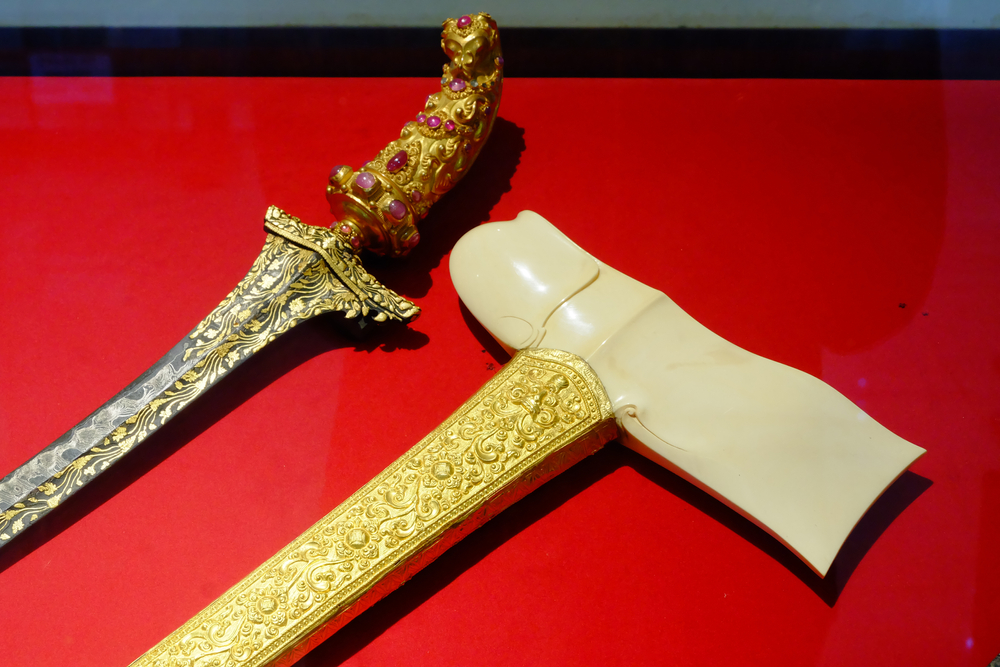
- Spears, kris daggers, and other royal weapons symbolizing authority and power.
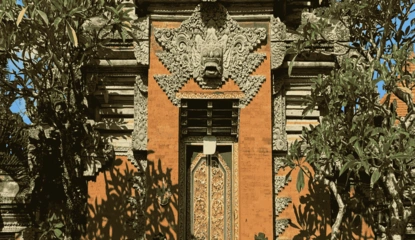
- Classical wall carvings and palace ornaments showcasing the aesthetic traditions of Cirebon art.
- Ancient royal carriages such as Paksi Naga Liman and Kereta Jempana, dating back to the 15th century.
In addition to these items, the museum preserves various works of art and royal artifacts that serve as witnesses to the long cultural and historical journey of the Kanoman Sultanate over several centuries.
Vision and Mission of the Kanoman Palace Heritage Building Museum
Although an official vision and mission statement has not been separately published, the functional objectives of the Kanoman Palace Heritage Building Museum can be described as follows:
- Preserving the cultural heritage and royal heirlooms of the Kanoman Sultanate in both physical and informative forms to prevent loss or deterioration.
- Providing an educational space for the public, students, and academics to learn about Cirebon’s cultural history.
- Strengthening the local identity of the Kanoman Sultanate as one of the pillars of Indonesian cultural heritage, while also attracting cultural and historical tourism.
The museum has become an important part of Indonesia’s national museum ecosystem, playing a significant role in presenting Cirebon’s cultural narrative in a broader and more contextual manner.
The Role of the Kanoman Palace Heritage Building Museum in Preserving Cirebon Culture
The Kanoman Palace Heritage Building Museum plays a strategic role in safeguarding the sustainability of the Kanoman Sultanate’s cultural heritage, which has developed over centuries. Through the preservation of royal heirlooms, increasingly modern exhibition designs, and strong historical storytelling, the museum serves as an important source of knowledge on Cirebon’s traditions, symbols of authority, and cultural values.
As both an educational space and a historical tourism destination, the museum encourages the public to understand local identity and appreciate ancestral heritage. Its presence not only reinforces Cirebon’s position as a cultural city, but also acts as a bridge connecting the past, present, and future generations in the preservation of Indonesia’s cultural legacy.