






A vacation across the Indonesian archipelago feels incomplete without tasting the wide variety of traditional Indonesian dishes, rich in spices and offering unique flavors from each region.
The distinctive taste of every region reflects the richness of local culture, making the exploration of Indonesian cuisine a must-do for culinary travel enthusiasts throughout the country. Let’s explore the options!
1. Rendang (slow-cooked spicy beef stew)
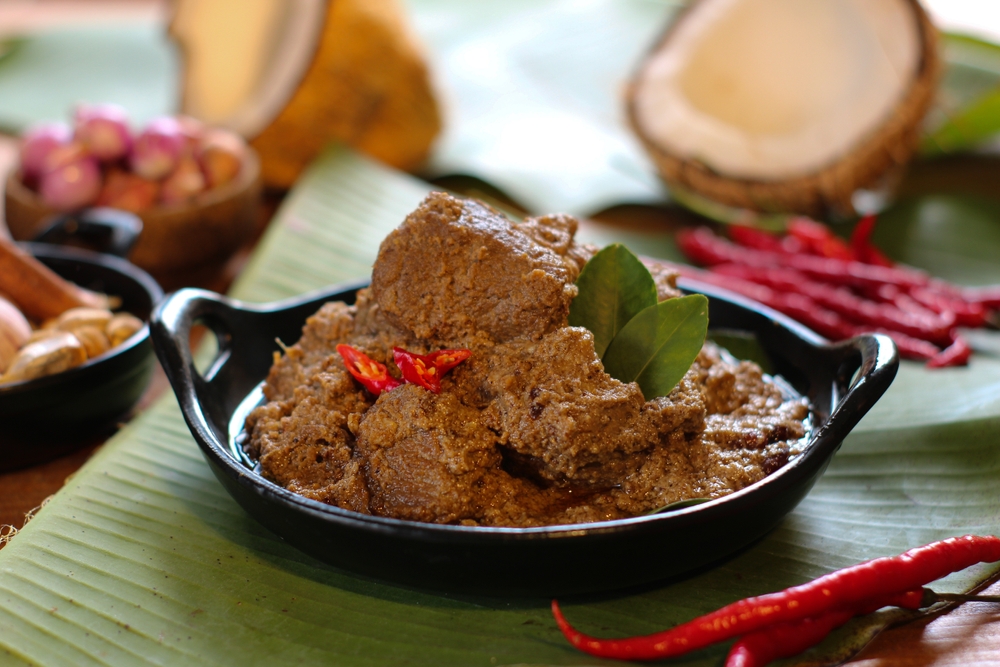
Rendang is a Minangkabau culinary specialty whose popularity has gone global and is always the star dish in every Padang restaurant across the country.
This traditional Indonesian beef-based dish is typically cooked slowly with coconut milk and a blend of spices for a long period until the seasoning is fully absorbed into every piece of meat.
You should know that this cooking process is what defines "rendang," producing a legendary savory taste and strong aroma. Besides being delicious, rendang can also be stored for a significant amount of time.
The greatness of rendang has been internationally recognized after repeatedly appearing on CNN Travel’s list of the world's best foods, proving its deliciousness is acknowledged by the global palate.
2. Pempek (Fish cake)
Pempek Palembang is a legendary dish made from fish and tapioca starch, believed to have been part of Nusantara's culinary wealth since the 16th century.
The main appeal of this traditional food from South Sumatra lies in the unique combination of pempek pieces and a sauce called cuko hitam, which perfectly blends sour, sweet, spicy, and savory flavors.
The thick and aromatic cuko hitam is the key to this dish's enjoyment, complementing the pempek dough usually made from Spanish mackerel (ikan tenggiri).
You can enjoy various iconic variants, from lenjer to kapal selam filled with chicken eggs. Pempek has even been named one of the best processed fish dishes in the world by TasteAtlas.
3. Nasi Goreng (Fried Rice)
Nasi Goreng is one of the traditional Indonesian foods that has become a global culinary identity. It is always a top recommendation for international tourists visiting Indonesia.
The deliciousness of chilled rice sautéed with aromatic spices has been globally recognized through various international surveys, including the title of one of the most delicious foods in the world by CNN Travel.
You can find various unique regional variations, from simple nasi goreng kampung, spice-rich goat fried rice, to the red fried rice of Surabaya, and many other delicious versions.
Related article: Gudeg: The Sweet Jacfkfruit Stew of Yogyakarta
4. Gudeg (Slow-Cooked Young Jackfruit Stew)
Gudeg is a legendary dish that earned Yogyakarta the nickname "The City of Gudeg." This specialty from Yogyakarta is made from young jackfruit cooked slowly with coconut milk and palm sugar until it achieves a brownish color and an authentic sweet-savory taste.
The uniqueness of gudeg lies in its long cooking process, ensuring all spices are perfectly absorbed. This dish is usually enjoyed with warm rice, krecek (spicy cattle skin), free-range chicken, areh (thick coconut milk gravy), and pindang eggs.
Gudeg also has variations, including dry gudeg, wet gudeg, gudeg manggar made from coconut flowers, gudeg mercon with an intensely spicy sensation, and gudeg koyor made from savory beef fat.
5. Nasi Liwet (Savory Coconut Rice)
Nasi liwet is an iconic dish from Solo, Central Java, known for its rich and savory flavor. Unlike regular steamed rice, the rice for nasi liwet is cooked with coconut milk, spices, and chicken broth, creating a fragrant aroma that is truly appetizing.
This dish is usually served complete with shredded chicken opor, pindang eggs, spicy chayote squash, and areh, a dollop of thick coconut milk that enriches the texture and flavor of every bite.
Nasi Liwet is a comfort food perfect for breakfast or a warm dinner found throughout the corners of Solo, from traditional roadside stalls to renowned restaurants.
6. Tengkleng (Spicy Goat Bone Soup/Stew)
Tengkleng is a traditional Indonesian dish from Solo, Central Java. This dish consists of mutton bones and is a constant target for tourists due to its tastiness.
It has a unique history; in the past, tengkleng was created through the creativity of workers who processed leftover bones and mutton heads into a delicious meal.
Unlike gulai or tongseng, tengkleng has a thinner broth but is still rich in spices that seep into the bone marrow. The sensation of eating the bits of meat clinging to the bones is its primary draw.
7. Bakso (Meatballs)
Bakso is a traditional Indonesian favorite found almost everywhere, from street vendors to five-star restaurants.
A portion of bakso is generally made from a mixture of ground beef and tapioca starch. Today, variations are increasingly creative, featuring non-round shapes like cubical bakso, flat bakso, bakso mercon (spicy), lava cheese-filled bakso, to "pregnant" bakso (bakso beranak).
The chewy texture pairs perfectly with savory, warm beef broth. A serving of bakso is usually accompanied by yellow noodles, vermicelli, tofu, fried shallots, and celery.
8. Lumpia (Spring Rolls)
Lumpia is a traditional food from Semarang, Central Java. This legendary snack symbolizes the cultural acculturation between China and Java. Each lumpia is made from a thin flour skin filled with bamboo shoots, carrots, quail eggs, and chicken, beef, or seafood.
Its flavor is unique—leaning towards sweet and savory. Lumpia is best enjoyed with a thick signature sauce, green onions, and bird's eye chilies. You can choose between fresh (wet) or fried lumpia.
Related article: Coto Makassar, a Tasty Cuisine Rich in Spices and History
9. Rawon (Black Beef Soup)
Rawon is a legendary beef soup from East Java, famous for its deep black broth. This unique color comes from kluwek, a Nusantara spice that provides an authentic savory taste and aroma.
The beef in rawon is slow-cooked until tender. This is the main highlight for you. Its deliciousness has gone global, with Rawon repeatedly being named the best soup in the world by TasteAtlas.
It is best served with warm rice, short bean sprouts, salted eggs, green onions, sambal, and shrimp crackers.
10. Sate Lilit (Balinese Minced Meat Satay)
Sate Lilit is a Balinese specialty that you must try while vacationing on the Island of the Gods. It is easily found in tourist hubs like Denpasar, Badung, and Gianyar.
Unlike standard satay which is diced, sate lilit is made from finely minced meat mixed with grated coconut and basa gede (Balinese spice paste). This mixture is then wrapped (lilit) around bamboo skewers or fragrant lemongrass stalks.
The taste is so savory that it doesn't require additional peanut sauce. The distinct aroma released when grilled over charcoal provides an authentic culinary sensation.
11. Coto Makassar (Spiced Beef Soup)
Coto Makassar is the pride of South Sulawesi, dating back to the Gowa Kingdom era. This soup features a thick broth with a blend of 40 types of local spices known as rere pappa.
The dish uses beef and offal processed to a very tender texture. The secret to its savory broth lies in the mixture of roasted peanuts.
You can have a perfect culinary experience by eating Coto Makassar with burasa or ketupat. Don’t forget to add a squeeze of lime and tauco sambal for a fresher kick.
12. Papeda with Yellow Fish Soup (Sago Porridge)
Papeda ikan kuah kuning is the traditional staple food of the people of Papua and Maluku, crafted from pure sago. This sago porridge features a unique, translucent, and chewy texture, serving as a profound symbol of togetherness and communal bonding within the dining traditions of Malukan and Papuan communities.
As the name suggests, the dish typically consists of papeda paired with yellow fish soup, which is seasoned with turmeric, ginger, and various other aromatic spices. The combination of the smooth, soft papeda texture and the fish soup, offering a savory, fresh, and slightly tangy sensation, creates a truly extraordinary harmony of flavors.
You can enjoy a distinct dining experience by using gata-gata, a specialized wooden tool used to roll and lift the papeda from its bowl.
Related article: Sate Lilit
The various traditional Indonesian foods mentioned above illustrate a priceless richness of flavor and culture. You can taste these diverse cuisines as the best way to get to know the local palate in every bite.
Explore the variety of regional foods in Indonesia and plan your trip to experience authentic local dishes using the AI Plan Your Trip feature to get an itinerary that suits your interests, time, and travel style.
If you need extra inspiration, MaiA is ready to accompany you and answer all your questions about destinations, activities, and travel tips in Indonesia. What are you waiting for? Start planning your culinary journey across Indonesia now!