









Explore attractions inspired by Muslim heritage and traditions.
Traditions, Taste, and Tranquility
Click here

Find prayer rooms and halal dining wherever your journey takes you.
Travel with Ease, Stay True to Values
Click hereYour Guide to Muslim-Friendly Travel
Muslim Friendly Information
Indonesia welcomes Muslim travelers with halal dining, prayer facilities, and heritage-rich destinations nationwide.
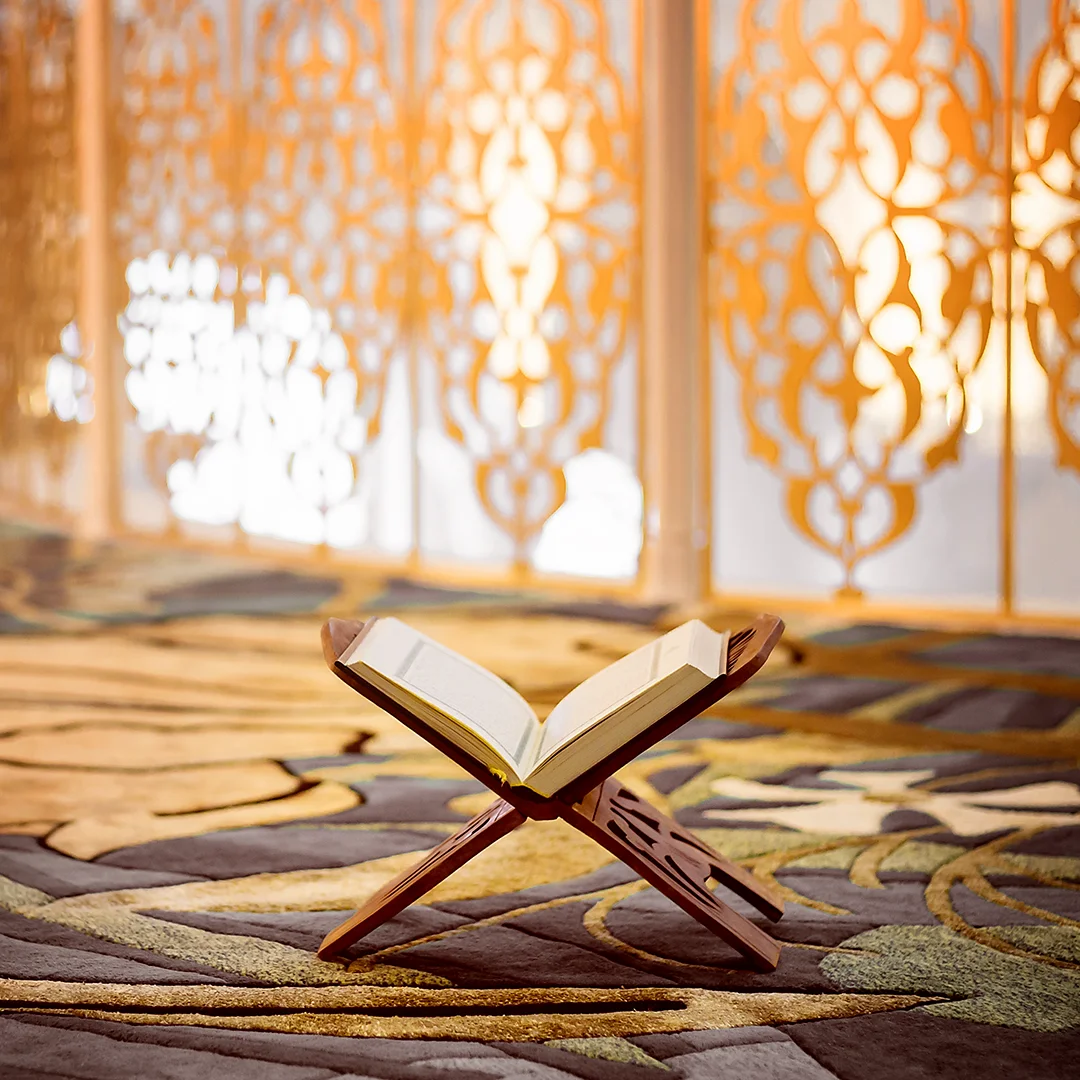

Prayer Facilities
All-in-one guide with documents and key information
Guide Book

The Wondeful Mosques of Indonesia
See the detail and download below
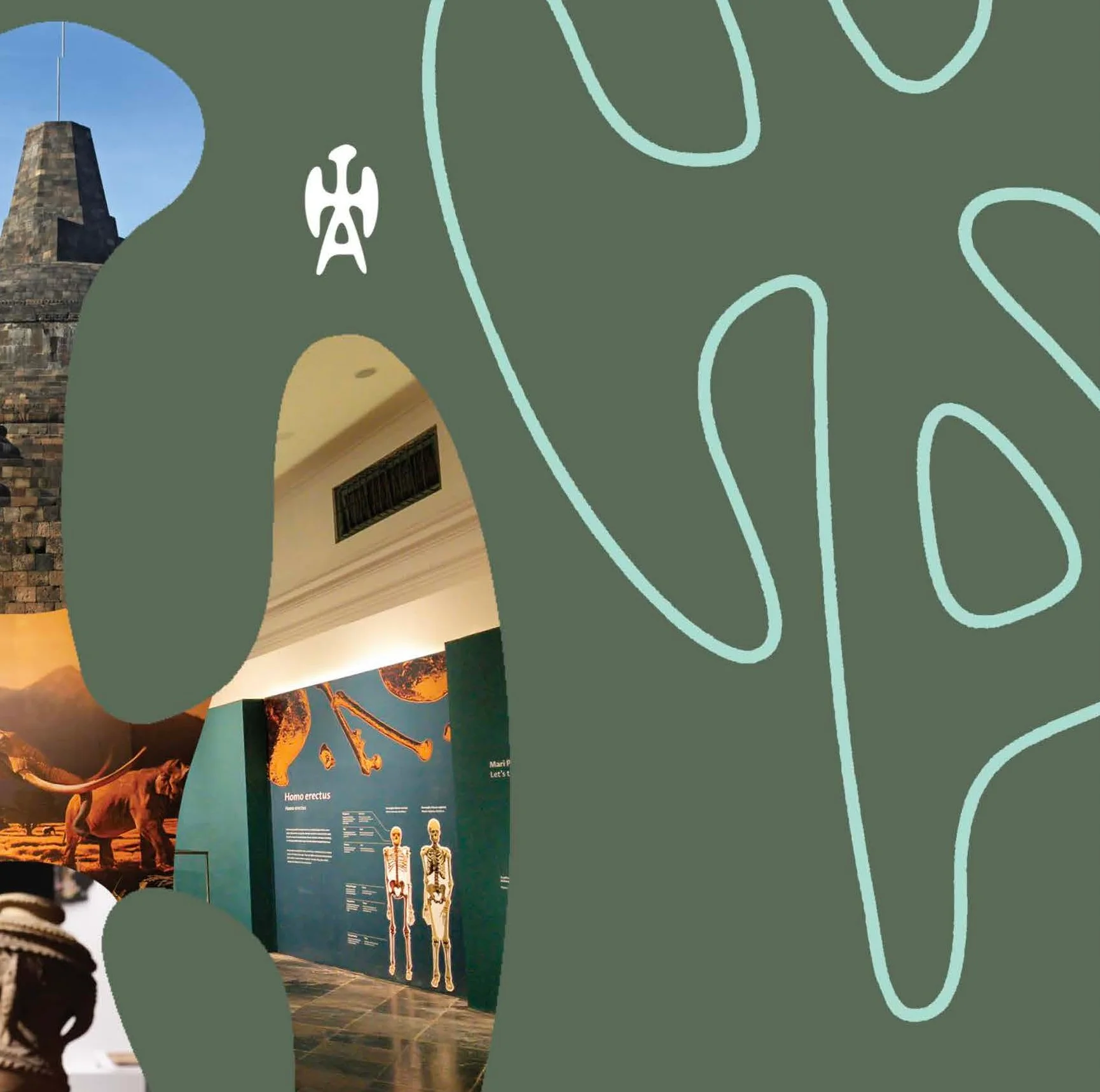
Museum & Cagar Budaya - Booklet 2025
See the detail and download below
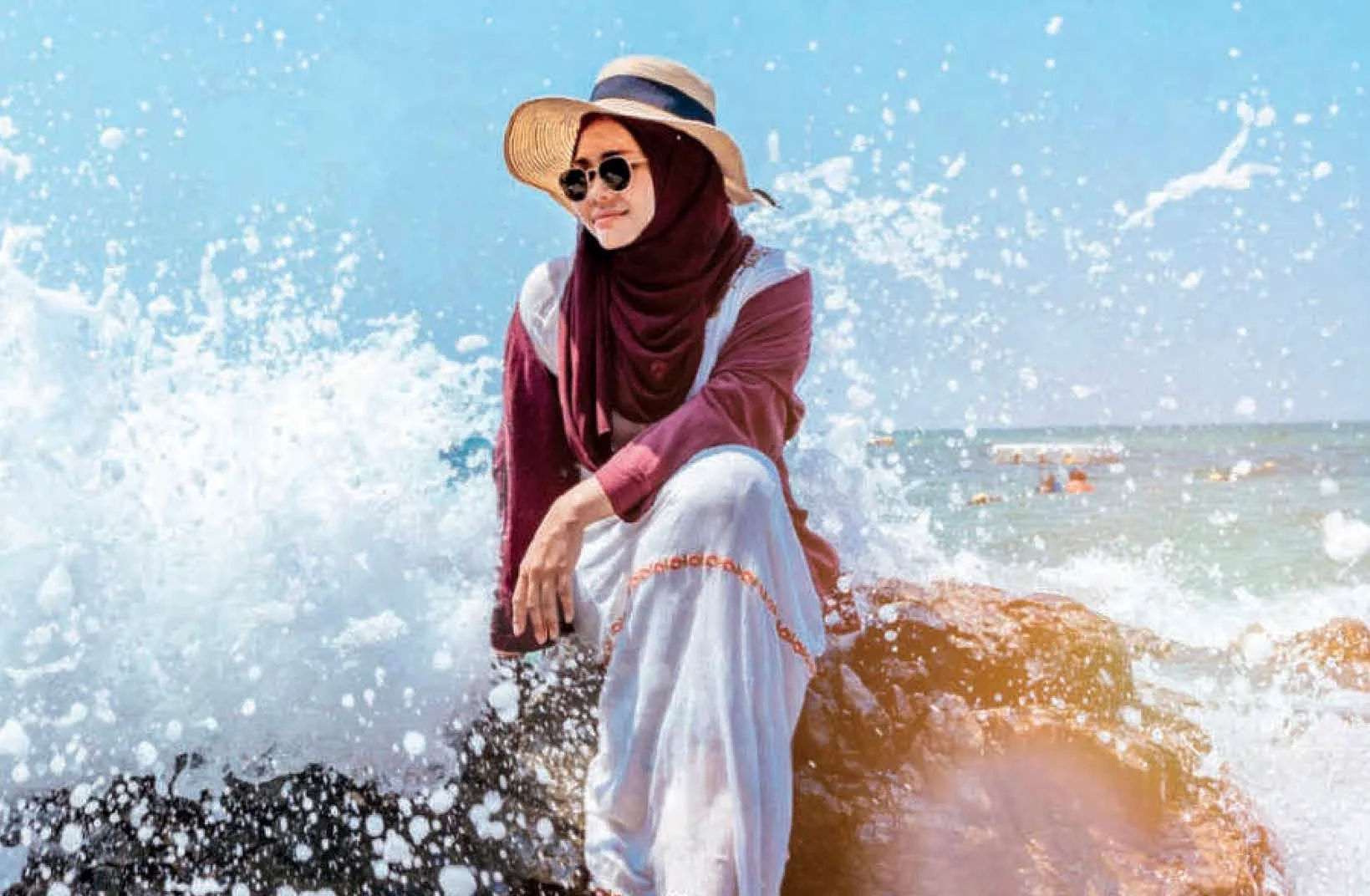
Panduan Pariwisata Ramah Muslim di 5 Destinasi Favorit
See the detail and download below
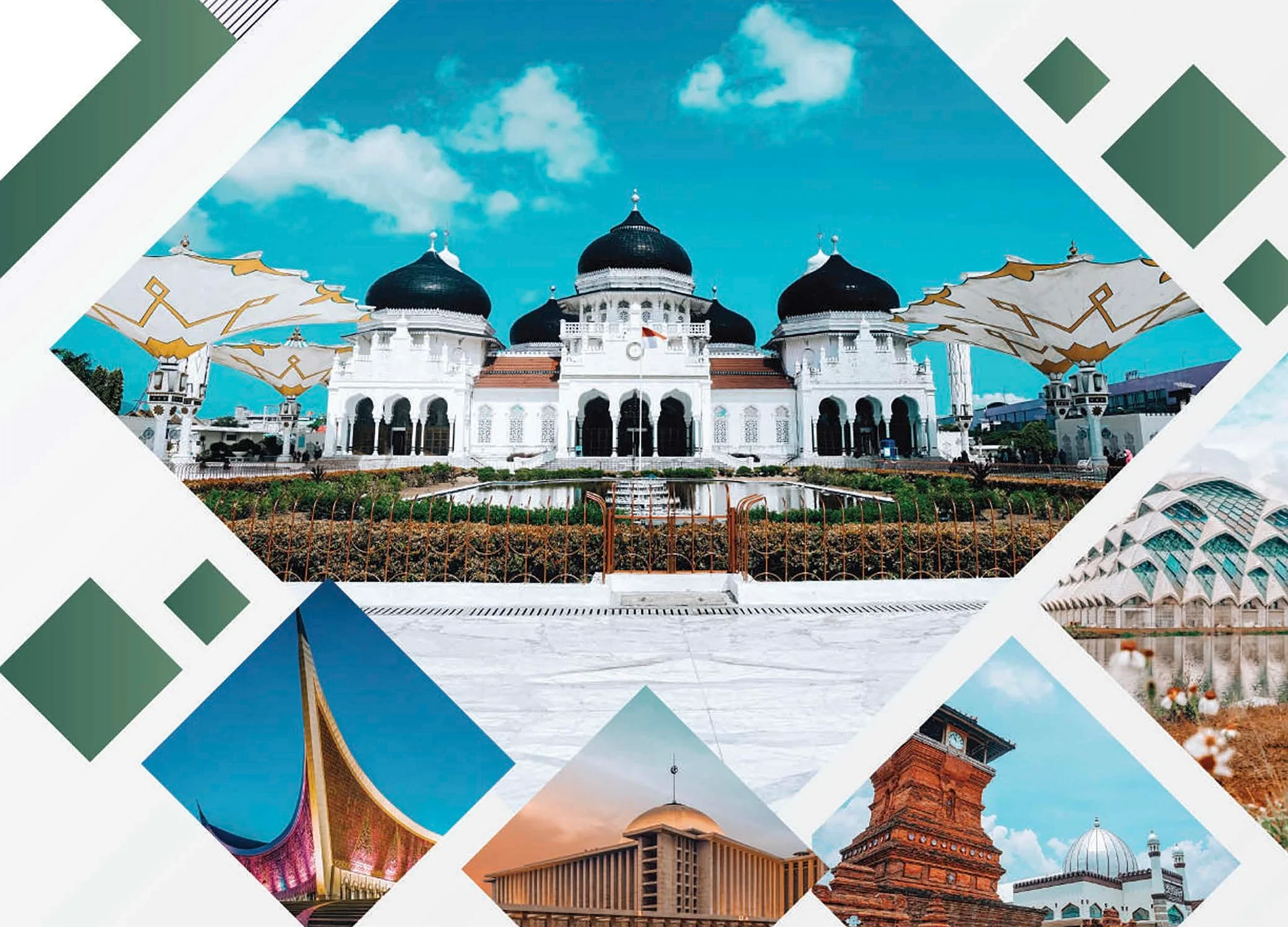
Mosque Homecoming Tour
See the detail and download below
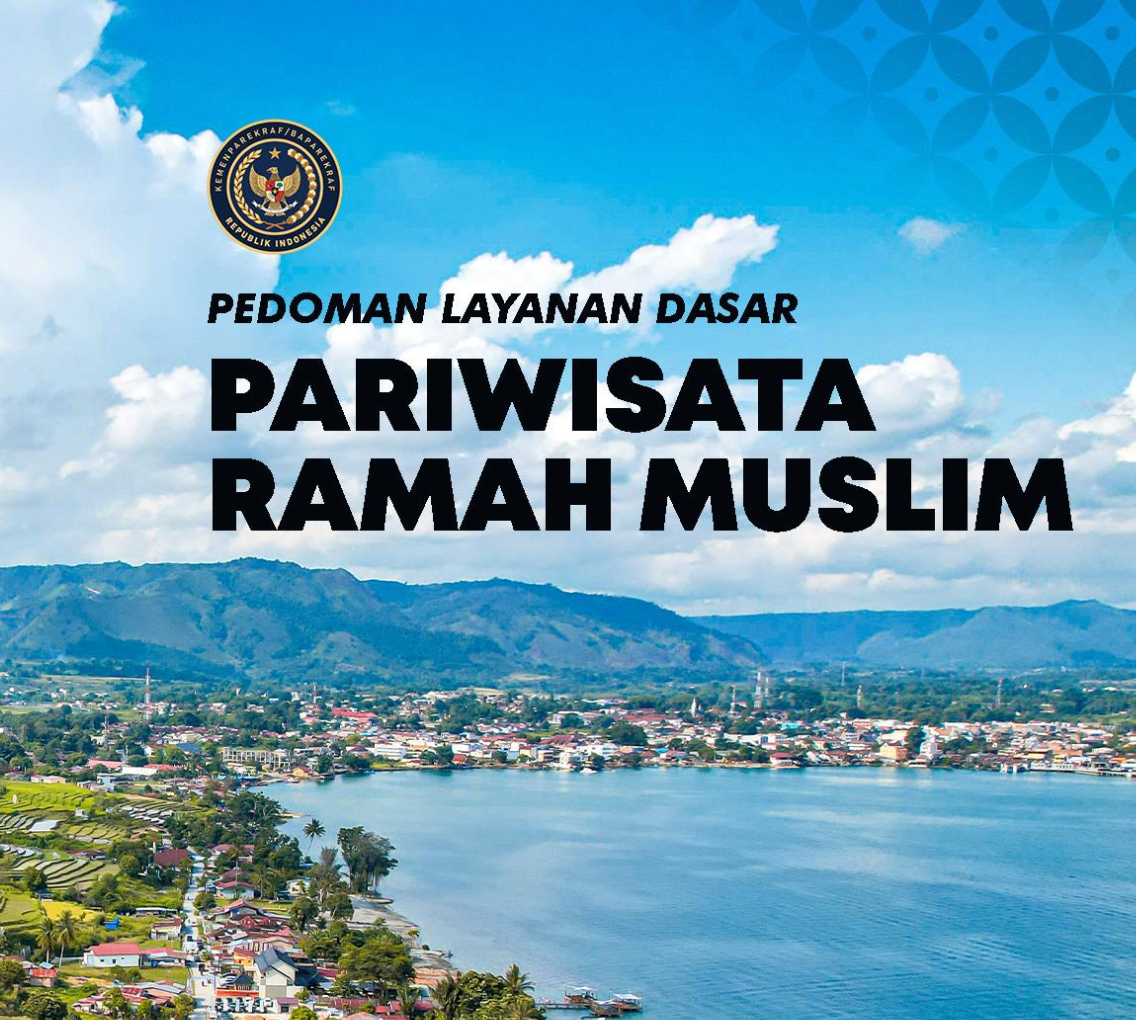
Pedoman Layanan Dasar
See the detail and download below
FAQ: Muslim-Friendly Travel
Muslim-friendly travel is a travel concept that provides facilities and services to support the needs of Muslim travelers during their holiday. This includes the availability of halal food and beverages, easy access to places of worship (prayer rooms/mosques), proper ablution facilities, and a comfortable environment for performing religious obligations.
It is important to note that Muslim-friendly travel is not exclusively for Muslim travelers. The concept emphasizes comfort, cleanliness, safety, and more considerate services tailored to specific needs, making it enjoyable for everyone.
The main difference lies in the purpose of travel.
Muslim-friendly travel focuses on travel comfort through facilities that support Muslim needs (such as halal food, prayer spaces, and more). However, the destinations can be anywhere from beaches and mountains to cultural cities and tourist villages.
Religious tourism, on the other hand, focuses on spiritual or religious purposes, such as visiting the graves of religious figures, exploring historic mosques, joining religious events, or visiting sacred religious sites.
In short, Muslim-friendly travel refers to a travel style, while religious tourism refers to a type of destination or activity.
In general, conventional tourism offers services for travelers without specifically focusing on Muslim-friendly needs. Meanwhile, Muslim-friendly travel provides additional facilities and special attention, such as:
- Halal food that is clearly labeled and easy to find
- Comfortable prayer rooms
- Proper ablution facilities and good hygiene standards
- Muslim-friendly information, such as recommendations for halal restaurants and nearby mosques
Therefore, Muslim-friendly travel does not replace conventional tourism. Instead, it offers a more suitable travel option for visitors who require Muslim-friendly services.
Indonesia offers many Muslim-friendly destinations thanks to its culture and supporting facilities. You can enjoy Muslim-friendly travel experiences across different regions ranging from nature-based travel and cultural trips to culinary adventures.
Some popular destinations for Muslim-friendly travel include:
- Aceh (strong Islamic culture and well-developed facilities)
- West Sumatra (Padang and surrounding areas) (famous halal cuisine and cultural attractions)
- Lombok, West Nusa Tenggara (widely recognized as one of Indonesia’s leading halal destinations)
- Jakarta (easy access to worship facilities and plenty of halal dining options)
- Yogyakarta (rich culture with diverse halal culinary choices)
- Bandung (family-friendly city with many halal food options)
In general, you can enjoy Muslim-friendly travel in almost all parts of Indonesia—especially in major cities and popular tourist destinations with complete facilities.
To make your journey more comfortable, here are some simple guidelines for Muslim-friendly travel:
- Choose Muslim-friendly accommodation
- For example, hotels that provide Qibla direction, prayer mats, or easy access to mosques/prayer rooms.
- Look up halal restaurants before you travel
- Prioritize places with halal certification, trusted recommendations, or clearly listed menus.
- Ensure easy access to places of worship
- Note the nearest mosques or prayer rooms around your hotel and travel destinations.
- Consider prayer times when planning your itinerary
- Arrange your route so you can pray comfortably without feeling rushed.
- Bring personal prayer essentials
- Carrying a mukena/sarong, a travel prayer mat, and a small bottle for ablution can be very helpful.
- Respect local culture
- Dressing modestly and practicing good manners during visits will make your trip more pleasant and meaningful.
With these guidelines, you can enjoy a fun holiday while still feeling at ease performing your religious duties throughout your journey.
Travel smarter with essential tips and tricks
Travel Tips

Contact Us

Sapta Pesona Building
Jl. Medan Merdeka Barat No.17, RT.2/RW.3, Gambir, Jakarta Pusat, Jakarta 10110

Whatsapp Contact Center
+628118956767

Email
info@kemenpar.go.id