

Museum Galuh Pakuan is a specialized museum located on Jalan K.H. Ahmad Dahlan, Ciamis, West Java. The museum was established as a center for preserving the history of the Galuh Kingdom, a classical kingdom that once played an important role in West Java, particularly in the Galuh region.
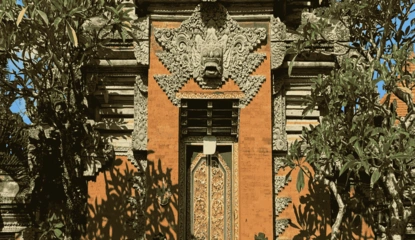
The museum building stands within a historic area formerly known as Keraton Selagangga, which was once the residence of the Regent of Galuh. Today, the building functions as an exhibition space showcasing artifacts and royal relics. Museum Galuh Pakuan plays a vital role in helping visitors understand local cultural identity and the long historical journey of the Galuh community, which remains relatively unfamiliar to the broader public.
Museum Galuh Pakuan is a cultural institution focused on preserving and presenting historical evidence from the Galuh Kingdom, spanning the Megalithic era, the Hindu-Buddhist period, and the Islamic era in the Galuh region. The collections on display reflect cultural development as well as social and political events that shaped the Galuh territory over time.
Type and Management of Museum Galuh Pakuan
According to official data, Museum Galuh Pakuan is categorized as a specialized museum, meaning it focuses on a specific cultural-historical theme—namely, the history of the Galuh Kingdom in the Ciamis area.
From a formal perspective of national museum standardization, its status has not yet been fully detailed in the official catalog of the Indonesian Ministry of Culture. However, the museum has been registered under the National Museum Registration Number (NPNM), which was officially recognized by the central government in 2025.
In terms of management, the museum is administered by the local government of Ciamis Regency through a dedicated local museum management unit. The role of the management is crucial in maintaining the collections, providing public access for educational visits, and promoting historical values to students, researchers, and tourists.
History of Museum Galuh Pakuan
Museum Galuh Pakuan was officially opened to the public on July 18, 2010, marked by the attendance of regional government officials from West Java. Prior to being displayed in the museum, many of the artifacts were stored in a warehouse at the Kangjeng Prebu Tomb Complex in Jambansari. These collections were later relocated after the storage facility suffered damage during the 2009 earthquake.
The museum building, known as Keraton Selagangga, has since become an important symbol of local historical preservation. It houses hundreds of heirlooms, artifacts, and historical objects associated with the Galuh Kingdom and influential figures such as RAA Koesoemadiningrat, a former Regent of Galuh.
Collections of Museum Galuh Pakuan
Museum Galuh Pakuan holds more than 200 collection items, categorized by form and function. Key collections include:
- Stone statues and ritual stones from the Megalithic period.
- Traditional weapons such as keris, kujang, spears, and machetes.
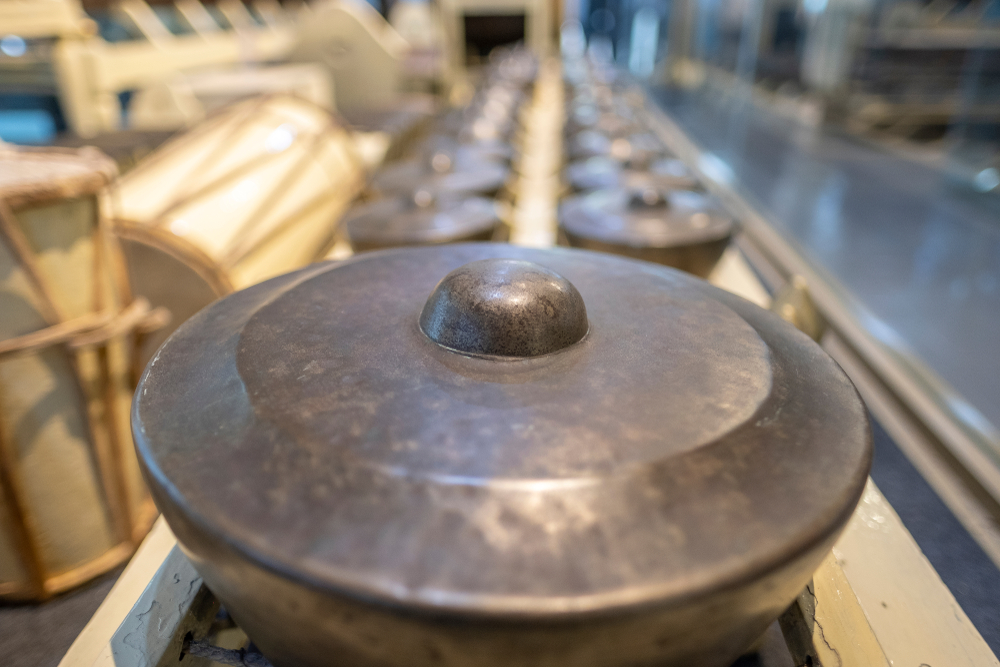
- Traditional gamelan instruments, including gongs, saron, and bonang.
- Royal heirlooms such as ceremonial spears and sacred gongs.
These collections represent not only military and governance aspects, but also religious practices, customs, and the social life of the Galuh people across different historical periods.
Vision and Mission of Museum Galuh Pakuan
Although no official vision and mission statements have been formally published, the museum’s functional objectives are clearly defined:
- Preserving the cultural heritage of Galuh, including historical artifacts and unique local traditions.
- Providing an educational space for the public, students, and researchers to study regional history.
- Strengthening local cultural identity through the introduction of authentic Galuh history and traditions.
Museum Galuh Pakuan serves not merely as a storage space for artifacts, but as a center for historical learning that offers tangible insight into the development of Galuh civilization in West Java.
The Role of Museum Galuh Pakuan in Preserving Local History
The presence of Museum Galuh Pakuan plays a strategic role in safeguarding and introducing the history of the Galuh Kingdom to present and future generations. Through its collection of royal heirlooms, cultural artifacts, and the historic Keraton Selagangga building, the museum serves as an important educational resource on the evolution of Galuh civilization in West Java.
As a space for education and cultural preservation, Museum Galuh Pakuan encourages the community to better understand local identity, appreciate historical values, and recognize the ancestral heritage that shaped the Galuh region. With this role, the museum stands as a valuable educational and cultural destination for students, researchers, and cultural tourists seeking to explore the history of Ciamis and West Java more deeply.