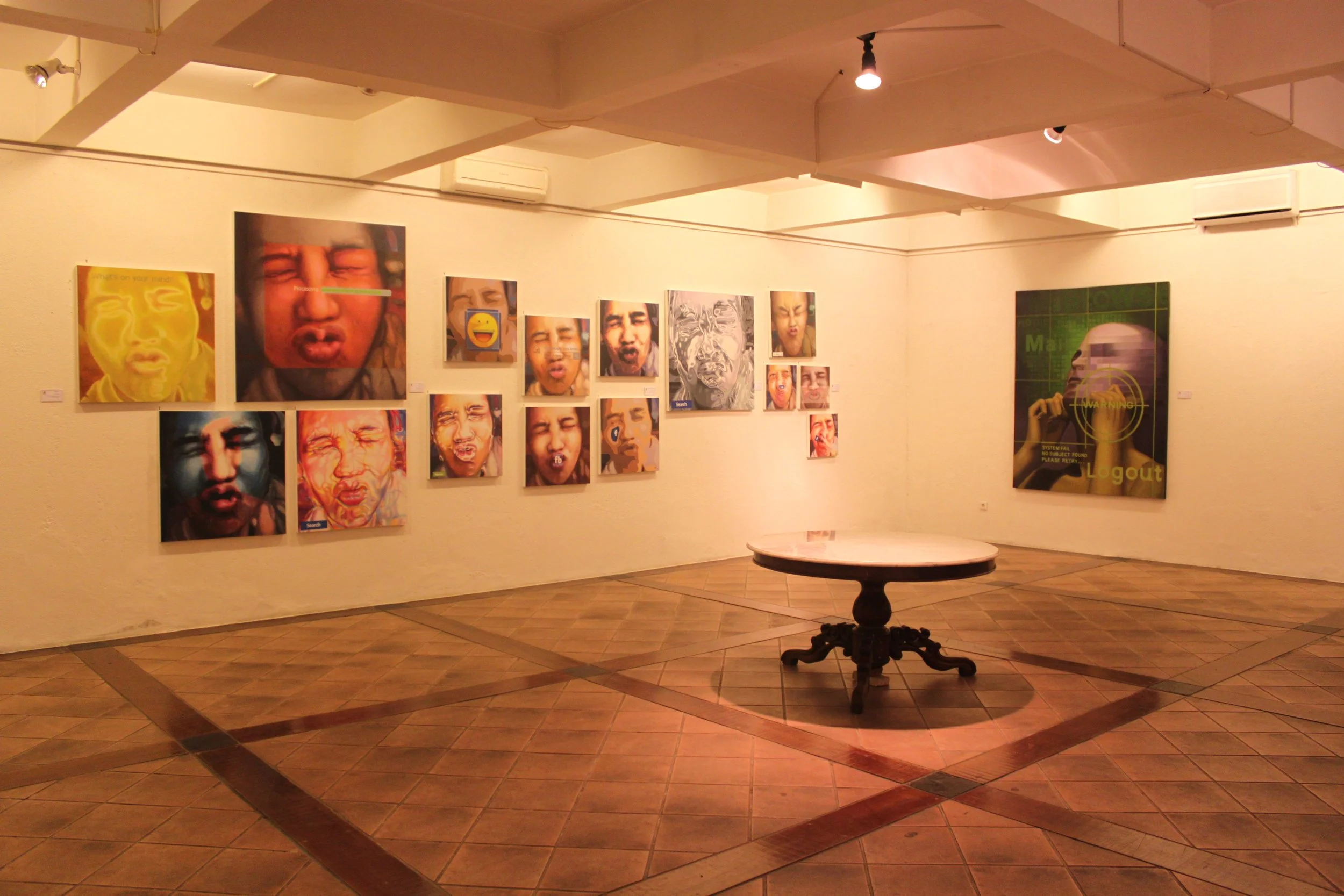






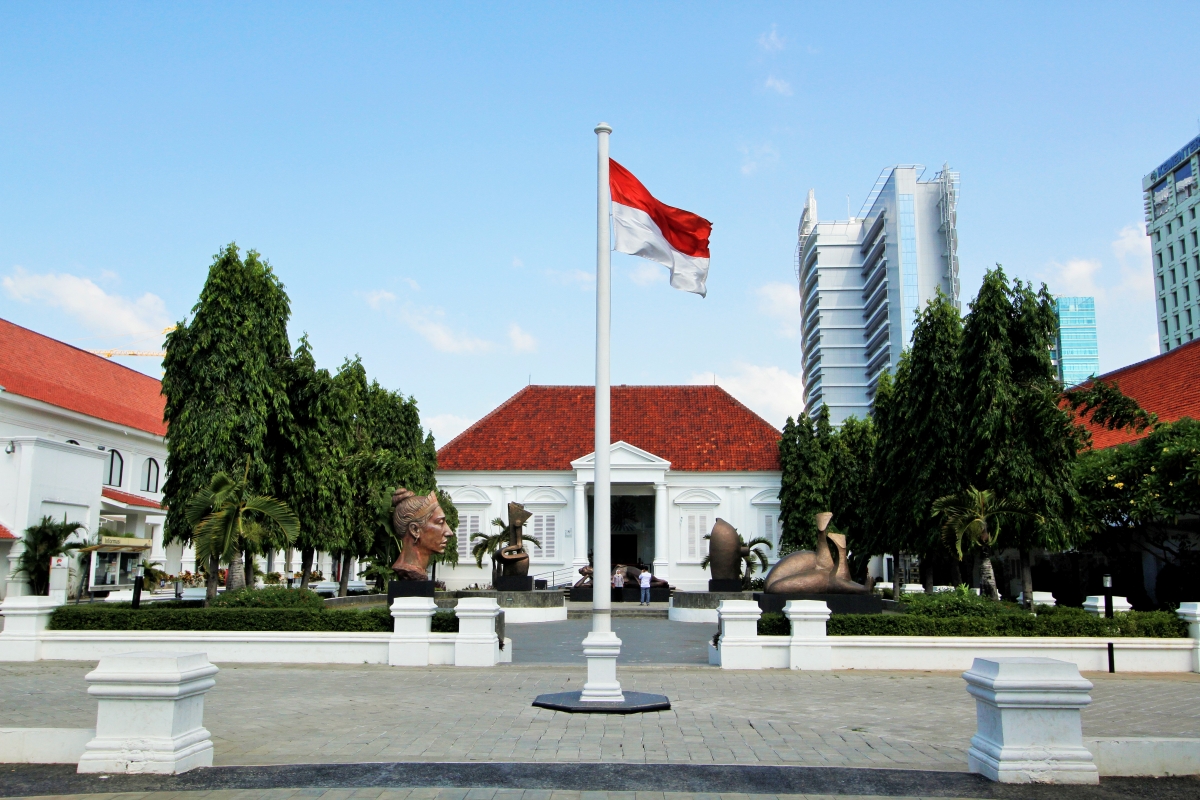
The “Galeri Nasional Indonesia”, known in English as the National Gallery of Indonesia (NGI), is a leading museum of modern and contemporary visual arts located in Central Jakarta. Positioned at Jalan Medan Merdeka Timur No. 14, this institution plays a vital role in preserving, exhibiting, and showcasing Indonesian visual arts both for local audiences and international visitors.
The National Gallery of Indonesia is a state cultural institution and art museum tasked with collecting, maintaining, exhibiting, and promoting artworks. Its collections include paintings, sketches, graphics, sculptures, ceramics, photography, installations, and alternative media from Indonesian and global artists. The gallery serves as a major educational and cultural hub for students, artists, and the general public.
Museum Type and Management
NGI is designated as a specialized museum (Type A), reflecting its extensive collection and central role in Indonesia’s cultural landscape. It is officially registered as part of the National Museum and Cultural Heritage Registry.
The National Gallery of Indonesia is owned by the Ministry of Education and Culture of the Republic of Indonesia and managed under the Museum and Cultural Heritage division. It is organizationally accountable to the Directorate General of Culture.
The History of National Gallery of Indonesia (NGI)
The idea of a national art gallery began as a plan for a National Art Center (Wisma Seni Nasional) in the 1960s. The main building was later renovated into an arts exhibition venue in 1987. With strong advocacy from cultural leaders such as Prof. Dr. Fuad Hasan and Prof. Edi Sedyawati, the establishment of NGI was approved in 1998. The gallery officially opened on May 8, 1999, marking a new era for Indonesian visual arts presentation.
Vision of National Gallery of Indonesia (NGI)
The vision of the National Gallery of Indonesia is:
To preserve and present works of visual art to foster a creative, appreciative society that loves the cultural heritage of the nation.
This vision underscores NGI’s commitment to cultivating art appreciation and nurturing Indonesia's cultural identity.
Mission and Strategic Role of National Gallery of Indonesia (NGI)
To support its vision, NGI carries out several missions, including:
- Collecting, researching, documenting, preserving, and safeguarding works of art, especially national collections.
- Expanding exhibition activity and public outreach on national and international scales.
- Fostering creativity and appreciation among artists, students, and the public.
- Building wider community engagement and partnerships in visual arts.
- Enhancing educational services and developing human resources and infrastructure.
Beyond exhibitions, the National Gallery of Indonesia organizes educational programs, workshops, curated exhibitions, and traveling shows, making it a dynamic platform for understanding the evolution of contemporary art in Indonesia.