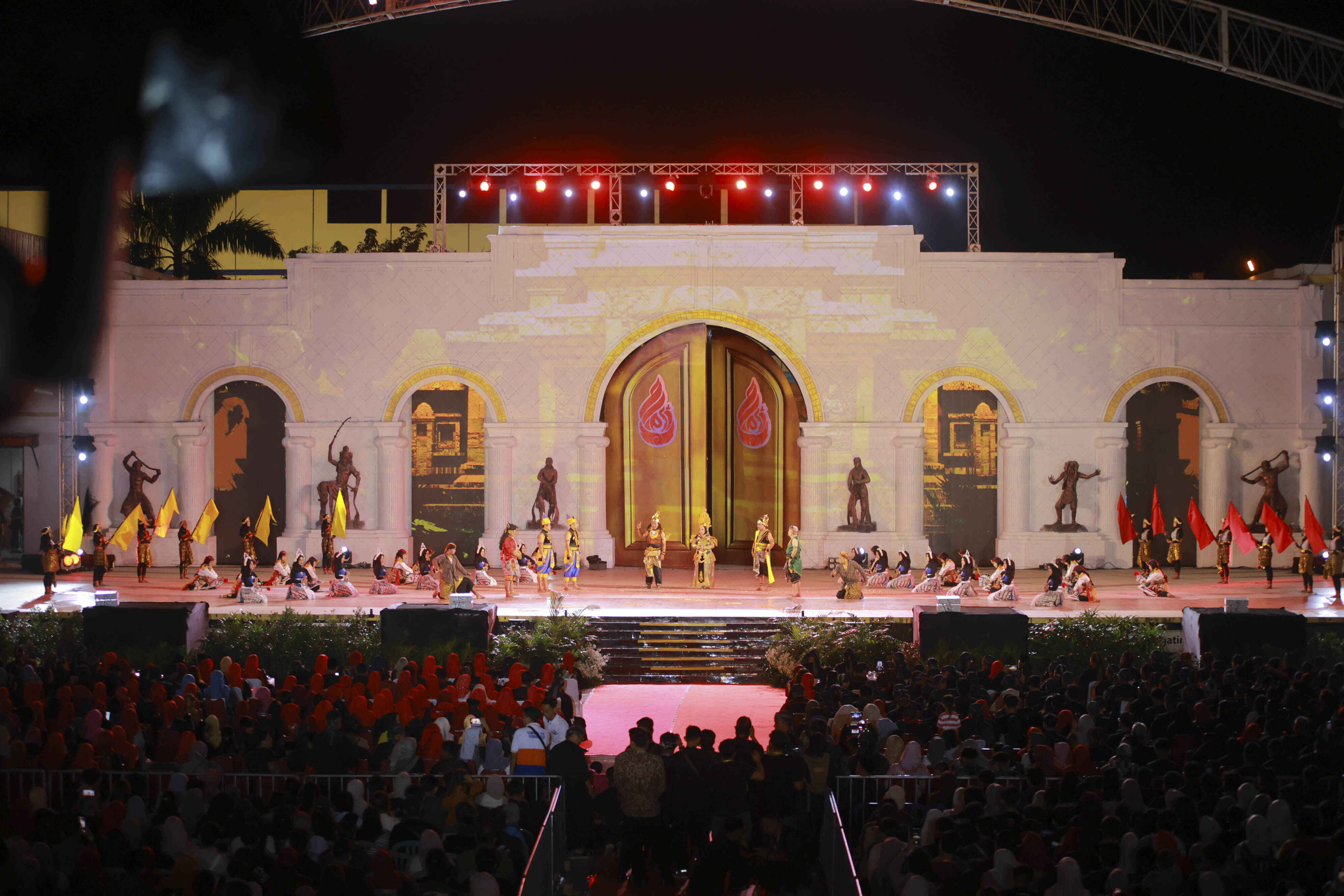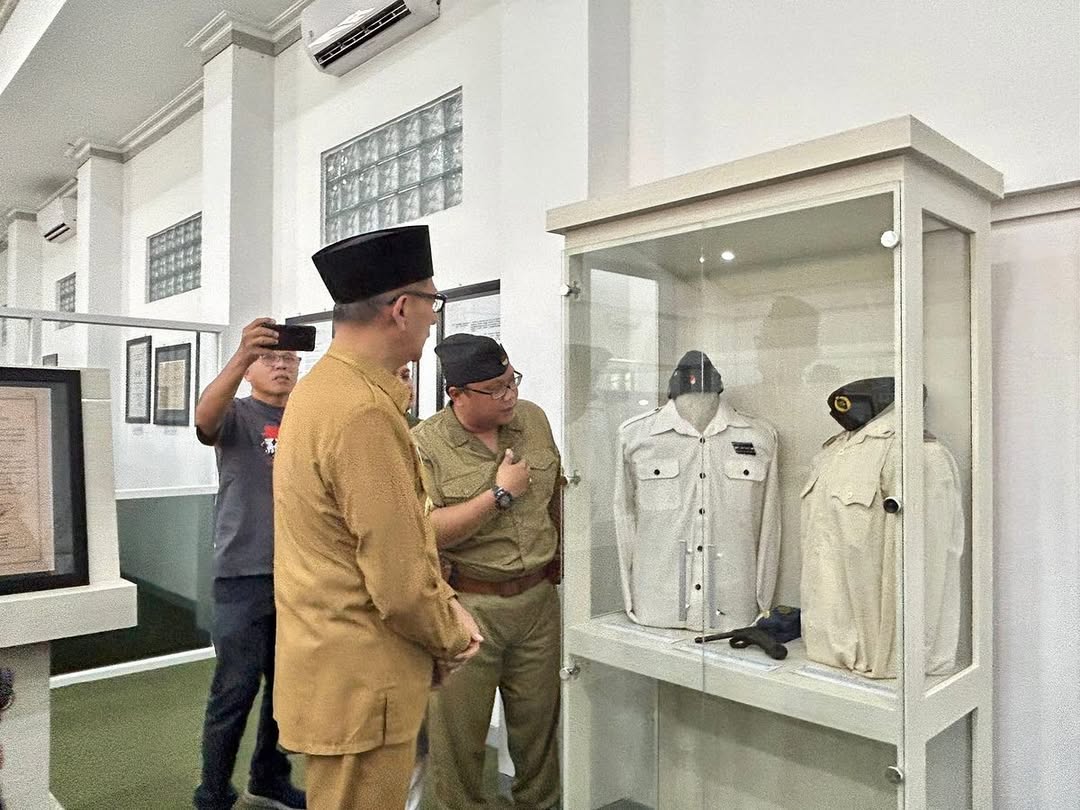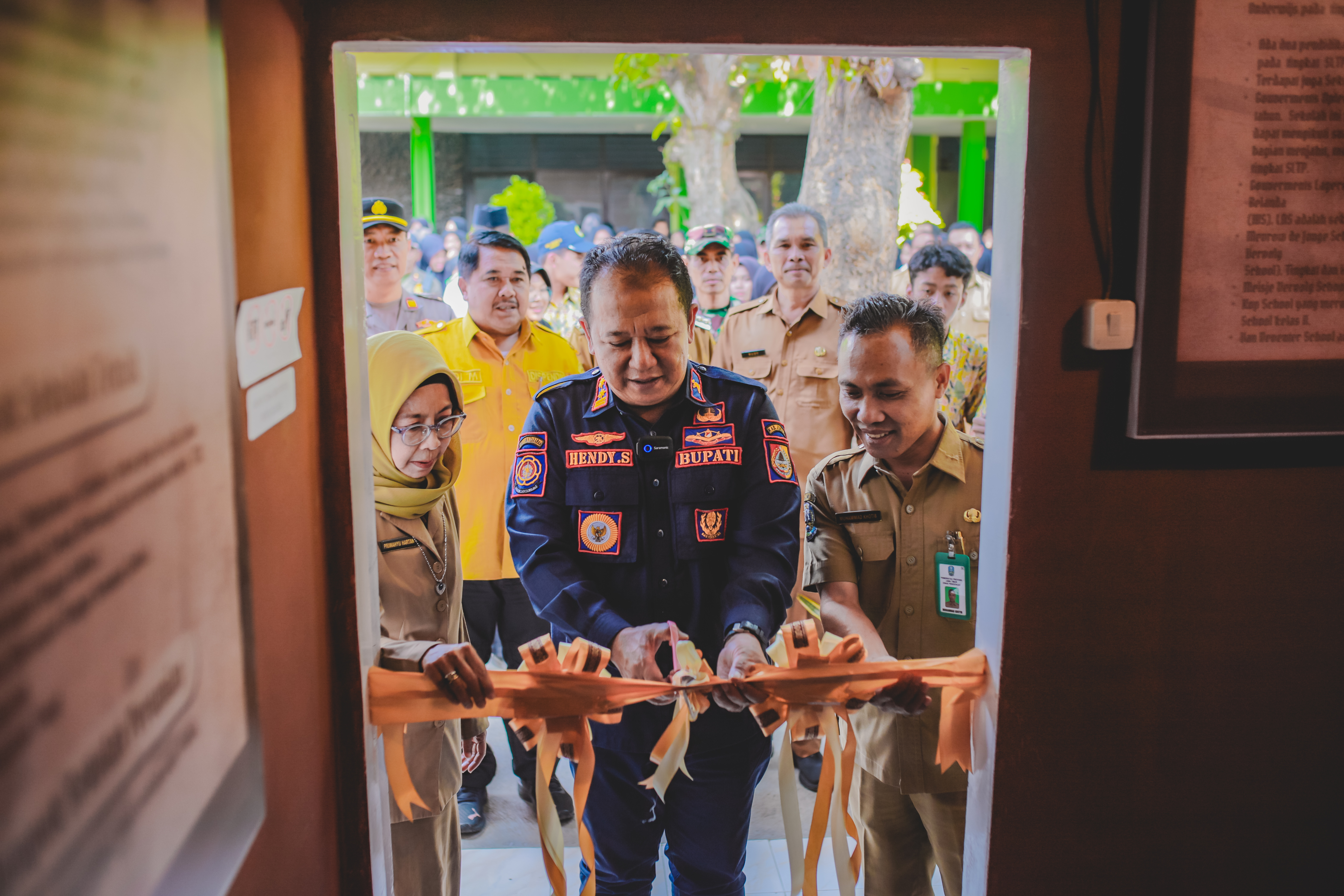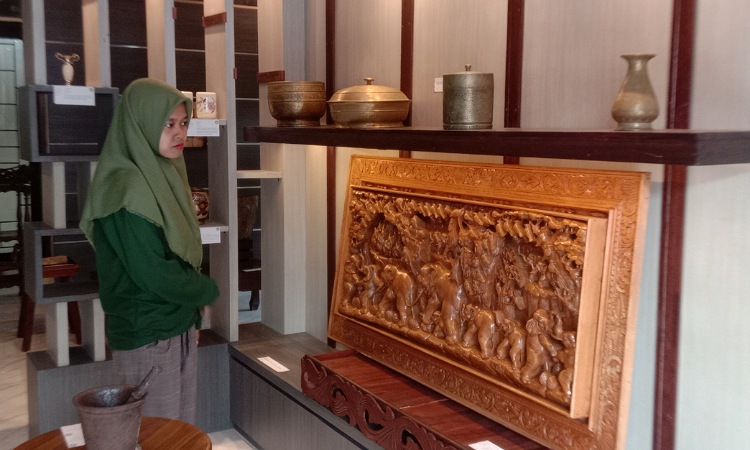

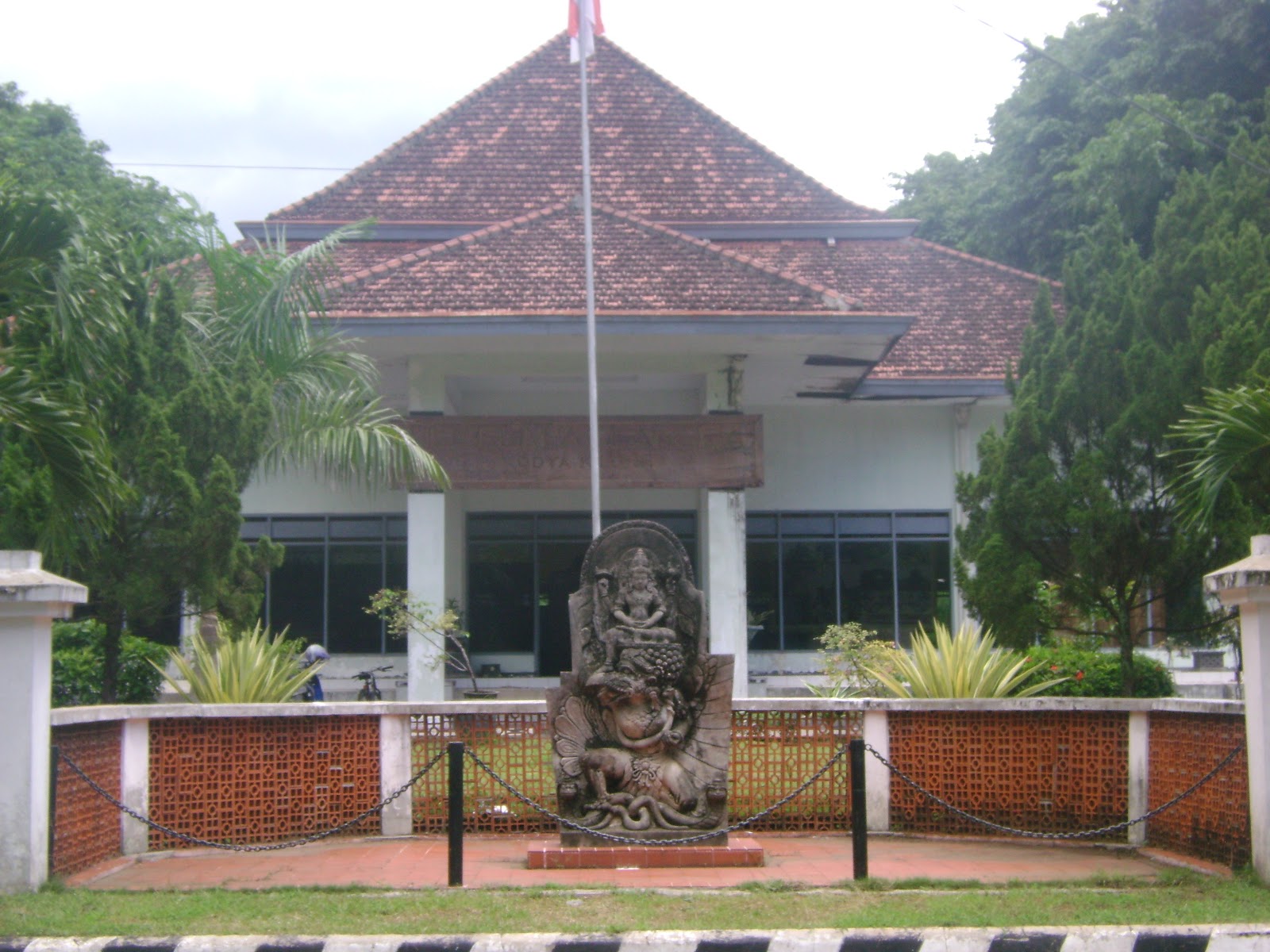
Museum Airlangga (Building I and Building II) is one of the most important historical attractions in Kediri City, East Java. The museum preserves archaeological remains that reflect the long journey of Kediri’s civilization, offering visitors a deeper understanding of the region’s cultural and historical roots.
As a public museum managed by the local government, Museum Airlangga plays a vital role in safeguarding cultural heritage while presenting it in an educational and engaging manner. Its collections and narratives make it an ideal destination for solo travelers, groups of friends, and families seeking meaningful cultural experiences.
Historical Background of Museum Airlangga
The origins of Museum Airlangga can be traced back to the preservation of cultural heritage objects at Kediri’s town square. In 1951, following the demolition of the paseban, the artifacts were relocated to Tirtoyoso Bathing Complex. In 1982, the site was formally designated as Museum Tirtoyoso.
With the development of regional tourism policies, Museum Airlangga was established and officially inaugurated in 1992. The transfer of collections from Museum Tirtoyoso took place between November and December 1991, in line with regional planning that positioned the western area of the Brantas River as a key tourism zone under local government authority.
Museum Airlangga (Building I and Building II) is a public museum classified as Type C and officially registered under the National Museum Registration Number (NPNM) 35.71.U.05.0059. The museum is owned and managed by the Government of Kediri City through the Department of Culture, Tourism, Youth, and Sports.
Museum Type and Management
As a Type C public museum, Museum Airlangga (Building I and Building II) serves as a regional center for cultural preservation and education. Its management focuses on collection conservation, public access, and the development of educational and recreational programs that highlight Kediri’s historical significance.
Collections and Highlights
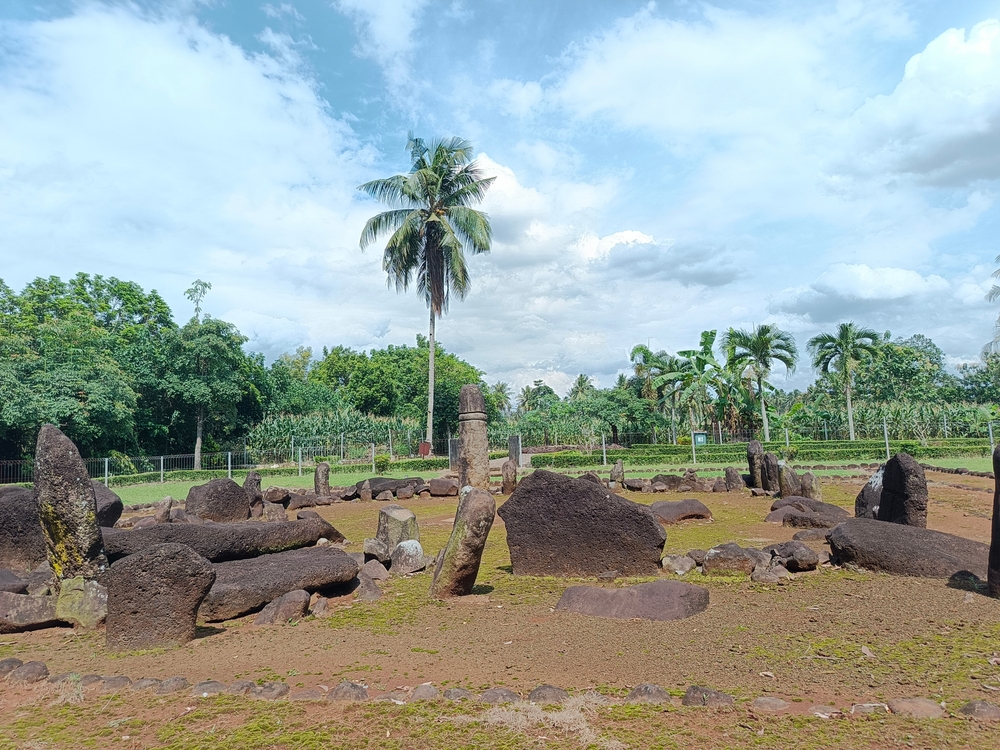
The museum houses approximately 376 artifacts, including stone inscriptions, religious statues, reliefs, yoni, and stone vessels. Among its most notable collections is the stone basin believed to have been used for storing sacred water in ancient times.
Artifacts such as the Cker Inscription, Angin Inscription, statues of Shiva, Vishnu, Ganesha, Agastya, and Buddha offer valuable insights into the religious and social life of ancient Kediri. These collections collectively illustrate the city’s role as an important cultural and spiritual center in the past.
Vision and Mission of Museum Airlangga
The vision of Museum Airlangga is to ensure the preservation, protection, and utilization of historical and archaeological heritage to support cultural understanding and development. This vision guides all museum activities.
Its mission includes strengthening community involvement in heritage preservation and enhancing the museum’s role as a center for education, recreation, and information for the wider public.
Museum Airlangga (Building I and Building II) stands as a bridge between the past and the present, allowing visitors to explore Kediri’s historical identity through tangible cultural remains. It offers an enriching experience that combines education and cultural appreciation.
With its diverse collections and accessible presentation, the museum is well suited for solo travelers, groups of friends, and family visits. Museum Airlangga demonstrates how cultural heritage can remain alive, meaningful, and inspiring in the modern era.