





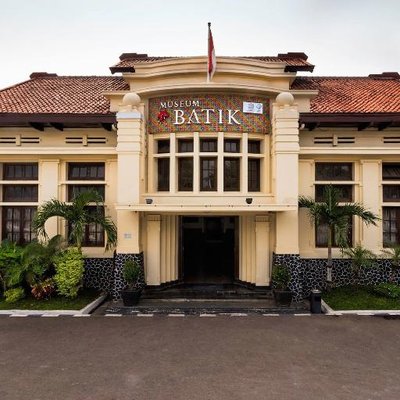
The UPTD Pekalongan Batik Museum is a specialized museum focused on preserving, documenting, and educating the public about Indonesian batik, especially the coastal batik tradition that flourished in Pekalongan, Central Java. It is officially part of the Indonesian Museum network and listed through the national Museum Registration system, contributing to the broader National Museum framework of cultural preservation.
What Is UPTD Pekalongan Batik Museum?
UPTD Pekalongan Batik Museum serves as a cultural institution dedicated to batik — a traditional Indonesian textile art recognized as an Intangible Cultural Heritage by UNESCO. The museum functions as a center for batik data, research, exhibitions, and education, showcasing traditional and modern batik through comprehensive displays.
The museum opened on July 12, 2006, inaugurated by the President of Indonesia, Susilo Bambang Yudhoyono, as part of a broader initiative to preserve batik culture and support Indonesia’s cultural identity.
Type and Museum Classification
- Museum Category: Specialized Museum (focus on batik and textile culture)
- Museum Type: Type B (reflecting medium-size specialized collections and public facilities)
This classification reflects the museum’s role in cultural education and preservation beyond simple artifact display, emphasizing interpretation and engagement.
History
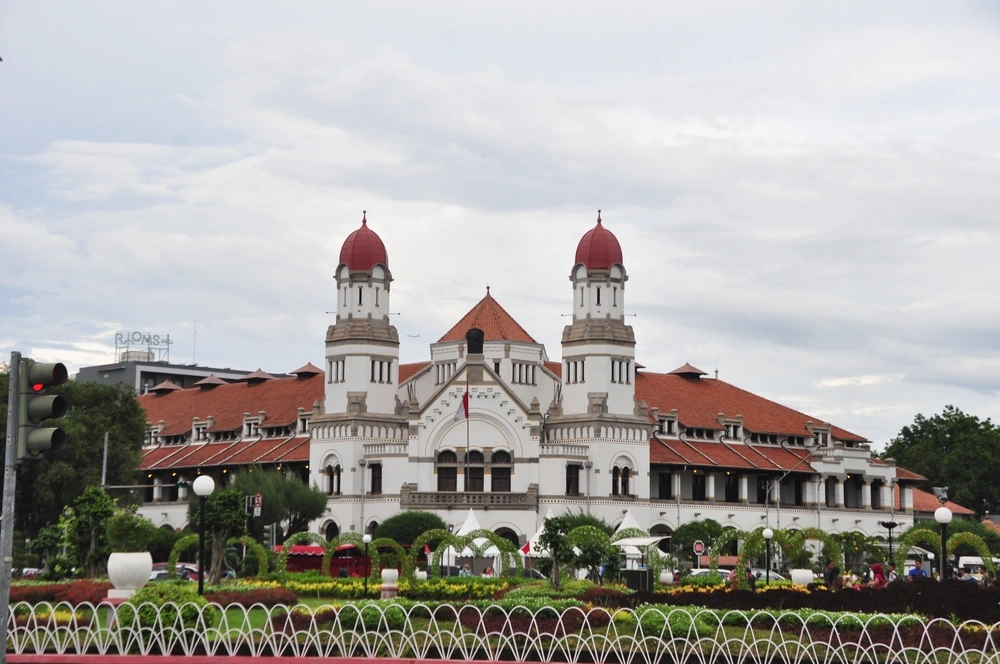
The museum occupies a historic building from the Dutch colonial era and was established as a batik museum through the collaborative efforts of local batik communities, government agencies, and cultural organizations. Since its official opening in 2006, the museum has grown to become a central hub for batik culture, research, and community outreach.
Museum Management
The museum is owned and managed by the City Government of Pekalongan under the Department of Tourism, Culture, Youth, and Sports. This public management ensures that the museum’s activities align with broader cultural preservation and education goals.
Museum Collections
The museum’s collections include:
- Classic and contemporary batik textiles from across Indonesia.
- Traditional batik artifacts including wayang beber printed on batik cloth.
- Traditional tools used in batik making such as canting and weaving implements.
- Batik textiles from different regions displayed across multiple galleries.
These collections illustrate the diversity of batik traditions and techniques from coastal to inland regions.
Museum Vision
The vision of UPTD Pekalongan Batik Museum is to be a leading institution in exploring, preserving, and developing batik as a cultural heritage of Indonesia and serve as an authoritative source of information on batik.
Museum Mission
The museum’s mission includes:
- Encouraging public awareness of batik and its cultural value.
- Supporting artisans and designers in preserving and innovating batik motifs.
- Conducting documentation, research, and dissemination of batik knowledge.
- Expanding opportunities for marketing and economic engagement through batik exhibitions and activities.