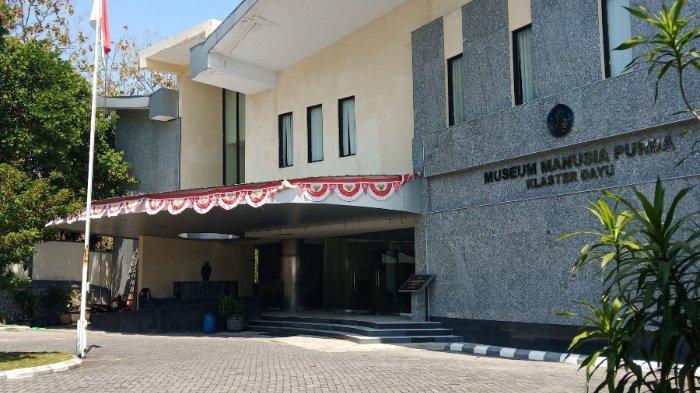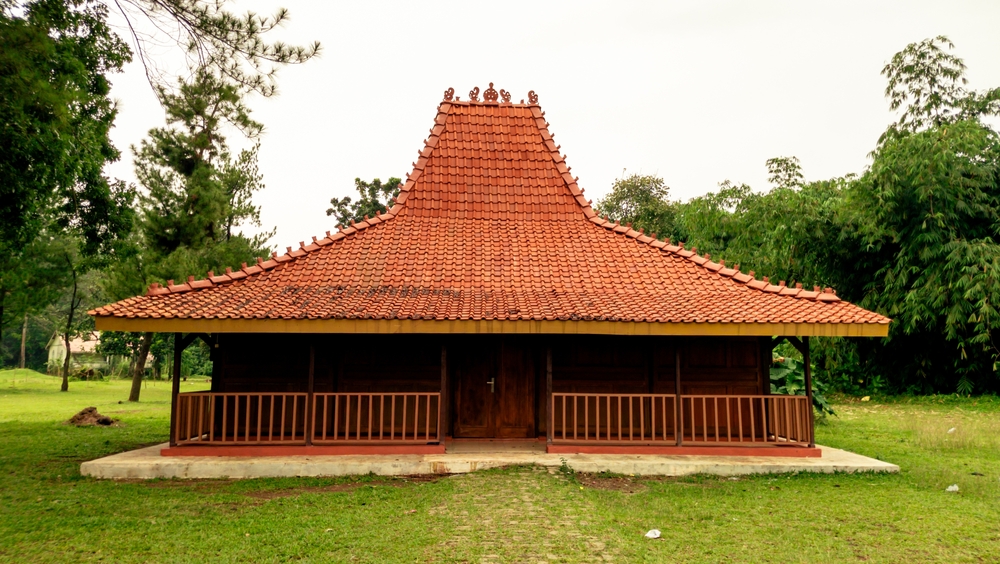






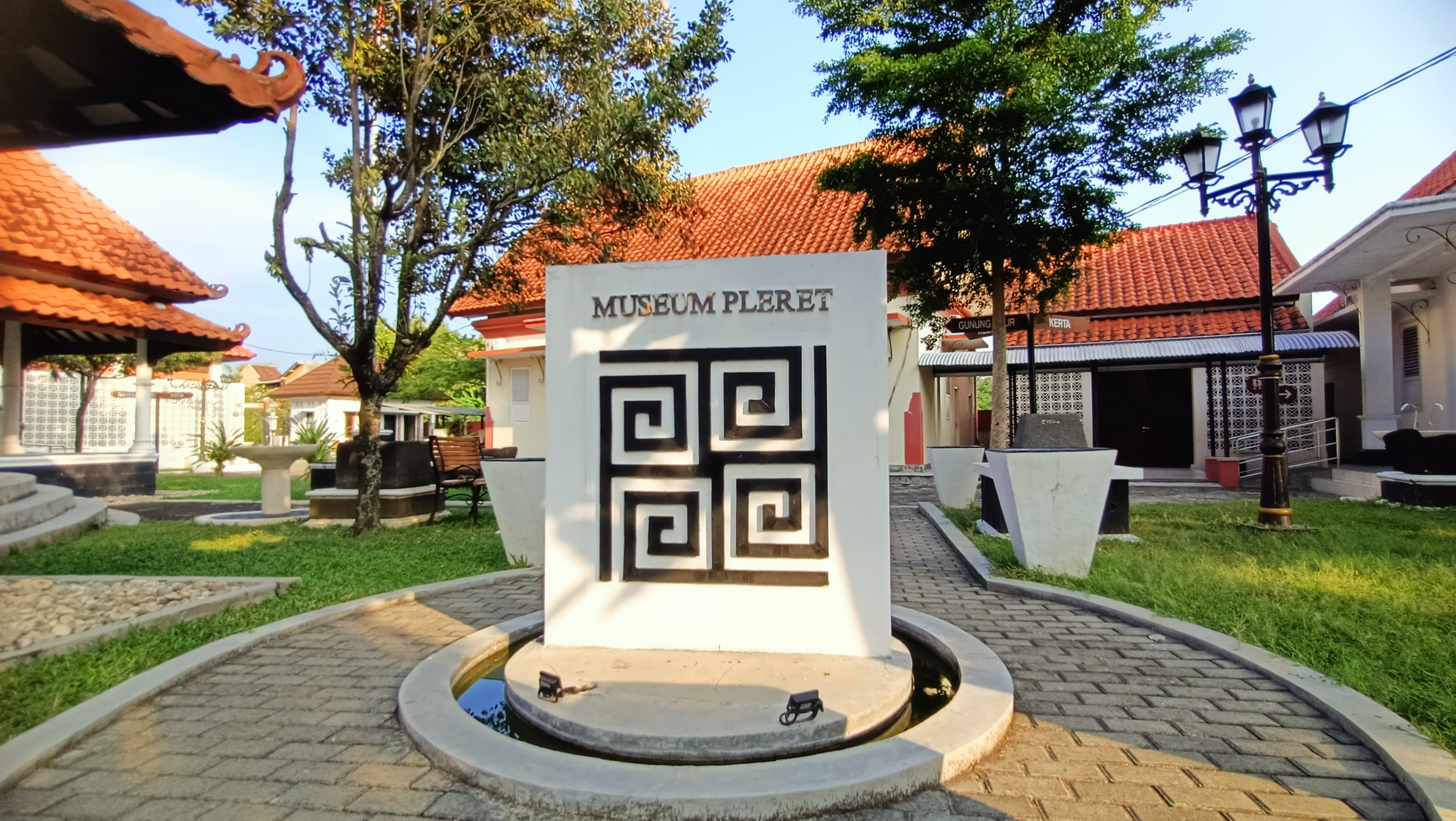
The Museum Sejarah Purbakala Pleret, also known as the Pleret Prehistoric History Museum, is a specialized historical and archaeological museum located in Dusun Kedaton, Pleret, Bantul, Yogyakarta, Indonesia. This museum preserves and interprets valuable historical artifacts found in the region, especially those related to the Mataram Islamic Kingdom and earlier civilizations in Bantul.
The Museum Sejarah Purbakala Pleret is a specialized museum with a focus on archaeological finds and historical artifacts from the Bantul area. It serves as a space for preserving and interpreting the tangible remains of past civilizations, enabling visitors to learn about the material culture of ancient societies that once thrived in the region.
Unlike general museums, this institution focuses on objects that illustrate human history and cultural practices, from stone tools and ancient architectural components to religious sculptures.
Type and Management Museum
The institution is classified as a specialized museum (Type C), according to Indonesia’s national museum registry. This classification reflects its specific focus on archaeological and historical collections rather than a broad range of cultural or artistic objects.
The museum is owned by the Provincial Government of the Special Region of Yogyakarta and is managed by the Cultural Office of the Special Region of Yogyakarta.
Under this management system, the museum is responsible for collecting, preserving, and interpreting historical artifacts, as well as offering educational programs that connect visitors with the cultural heritage of the area.
History of the Pleret Prehistoric History Museum
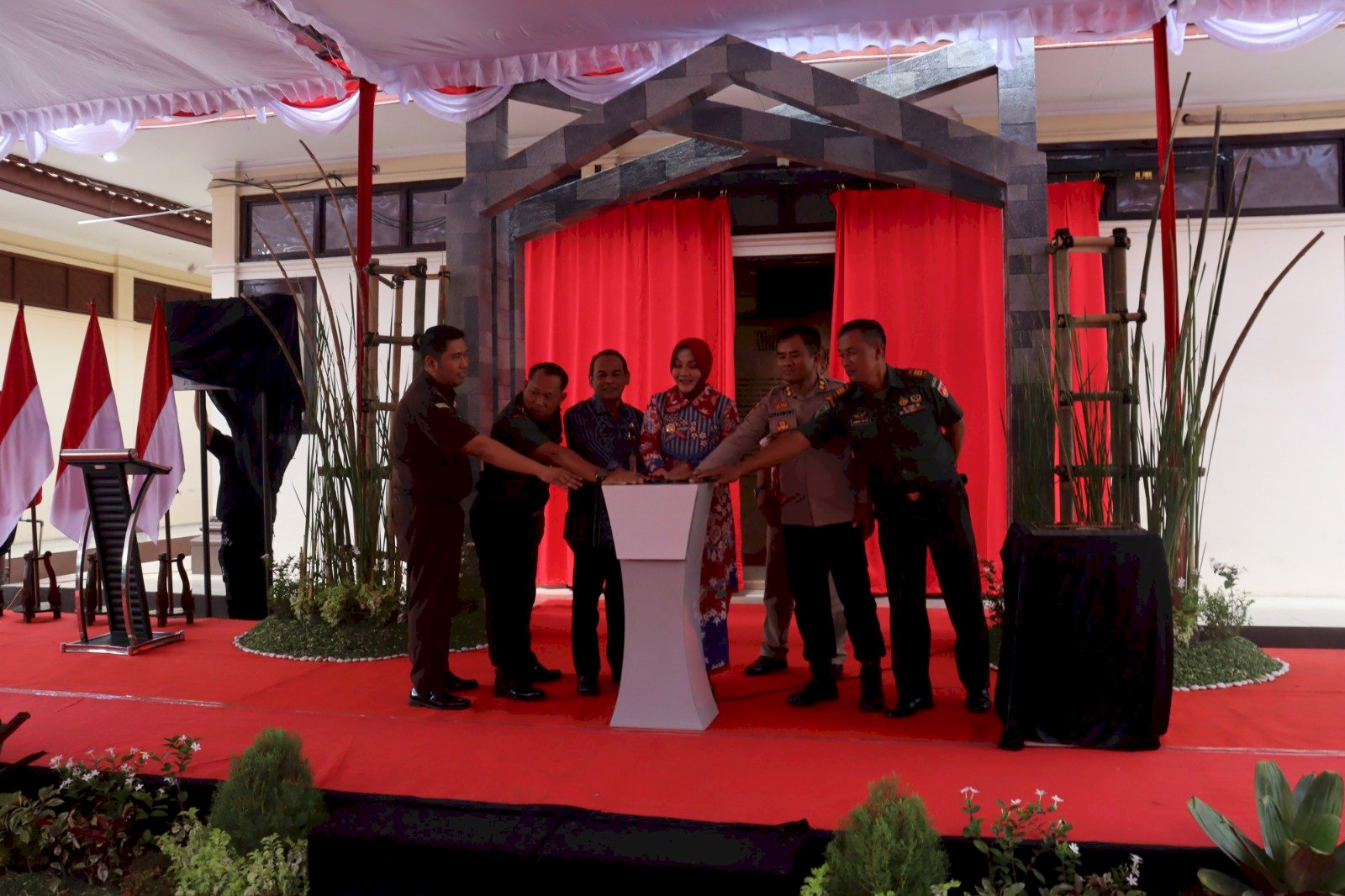
Construction of the museum began in 2004, and it was opened to the public on March 10, 2014. The official inauguration took place on December 13, 2015.
The museum was built on the historical site of the Mataram Islamic Palace (Keraton Pleret), which played a significant role in Java’s medieval-era politics and culture. While the palace structures no longer exist above ground, many remnants remain buried on the site, offering valuable material for research and public exhibition.
The museum’s collection includes architectural components such as umpak (building base supports), stone sculptures, Hindu-Buddhist statuary, and other artifacts recovered through archaeological excavations.
Vision of the Pleret Prehistoric History Museum
The museum’s vision is:
To become a source of historical and cultural information for the public and to support heritage preservation that advances the cultural identity of a nation with strong character.
This vision emphasizes the museum’s role in both preserving ancient heritage and educating future generations about local history.
Mission of the Pleret Prehistoric History Museum
To achieve its vision, the museum pursues several missions:
- Develop the museum as a center for information, documentation, study, and conservation of remnants from the Mataram Islamic era.
- Present the cultural achievements of the Mataram Islamic Kingdom as an important part of Indonesian history.
- Serve as an educational, recreational, and cultural facility beneficial for local, regional, and international visitors.
These missions highlight the museum’s commitment to fostering cultural awareness and historical understanding through interactive experiences.
A Living Legacy of Java’s Ancient Past
The Museum Sejarah Purbakala Pleret stands as an essential institution for preserving and sharing Indonesia’s ancient heritage. Far beyond a repository of old objects, the museum is a dynamic educational space that connects people with the deep historical roots of Java’s past civilizations.
Whether you are a student, researcher, or traveler, a visit to this museum offers insight into the richness of Indonesia’s cultural and historical tapestry, bridging past and present with stories told through tangible relics.