


PUMA Museum (Putrawan Museum of Tribal Art): Overview, Collections & Cultural Role
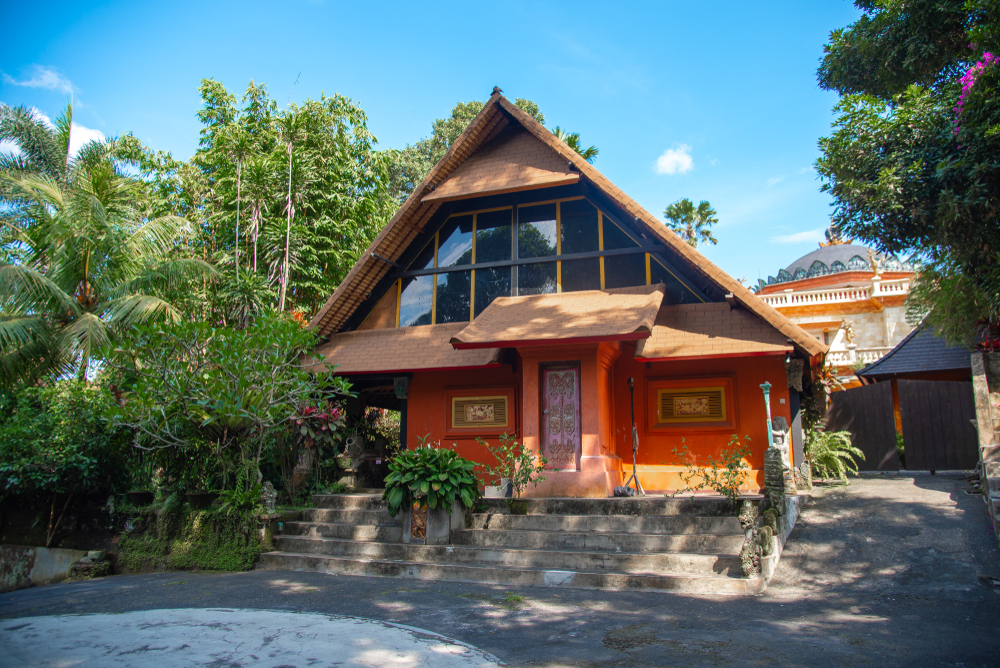
PUMA Museum, formally named Putrawan Museum of Tribal Art, is a special museum located in Denpasar, Bali, Indonesia. It is officially listed in the National Museum Registry and is part of the Museum Indonesia network. The museum highlights tribal and primitive art, showcasing a unique visual heritage that bridges cultural expression and artistic creativity.
What Is PUMA Museum?
Founded on October 14, 2004, and officially inaugurated on December 31, 2004, by the Mayor of Denpasar Drs. A. A. Puspayoga, PUMA Museum emerged from the art collection passion of its founder, Made Gede Putrawan. Beginning in the 1970s as a collector, Putrawan eventually established the museum to preserve and share his extensive collection of paintings, sculptures, and tribal artefacts.
Type & Classification
PUMA Museum is categorized as a Special Museum, emphasizing its specific focus on tribal and primitive art rather than general historical or scientific collections. Although its registration indicates it has not yet met certain formal museum standard classifications, its cultural impact remains significant.
Management & Ownership
The museum is owned and managed by Yayasan Putrawan, responsible for preserving the collection, organizing exhibitions, and conducting cultural programs that invite public engagement and inspire art appreciation.
History of the Museum
The museum originated from Putrawan’s lifelong passion for art collection, beginning in the early 1970s. Through decades of gathering works of art and artefacts, he amassed a significant body of tribal and primitive art. This deep connection to cultural artefacts led to the creation of a museum where the public can learn about and appreciate these unique artistic expressions.
Collections
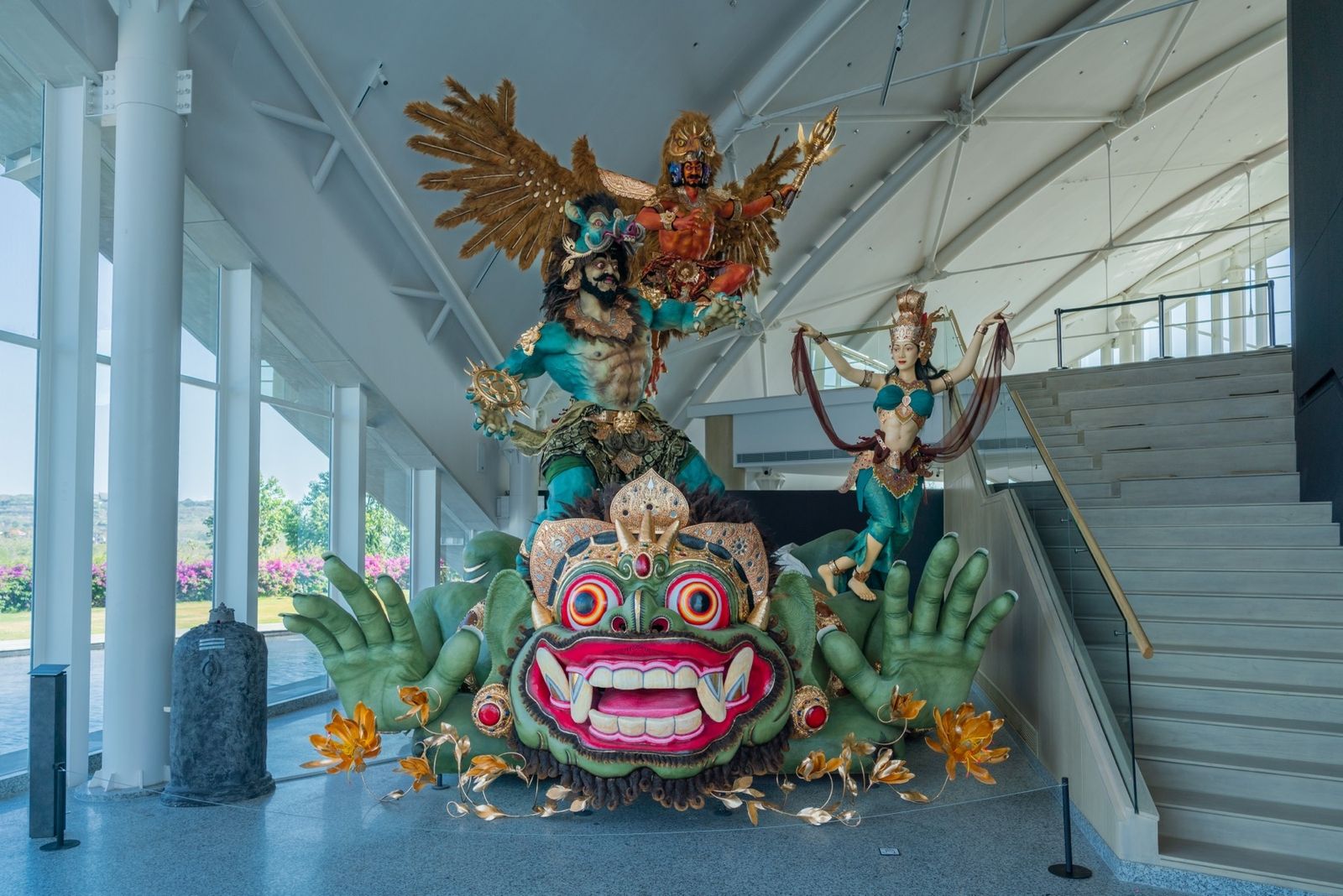
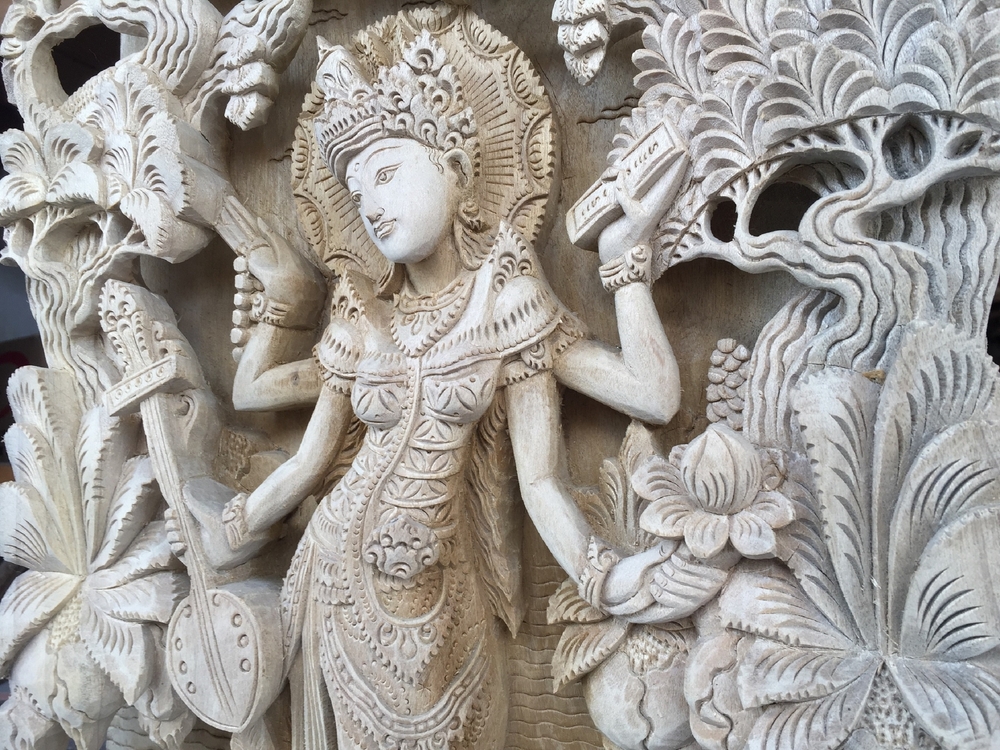
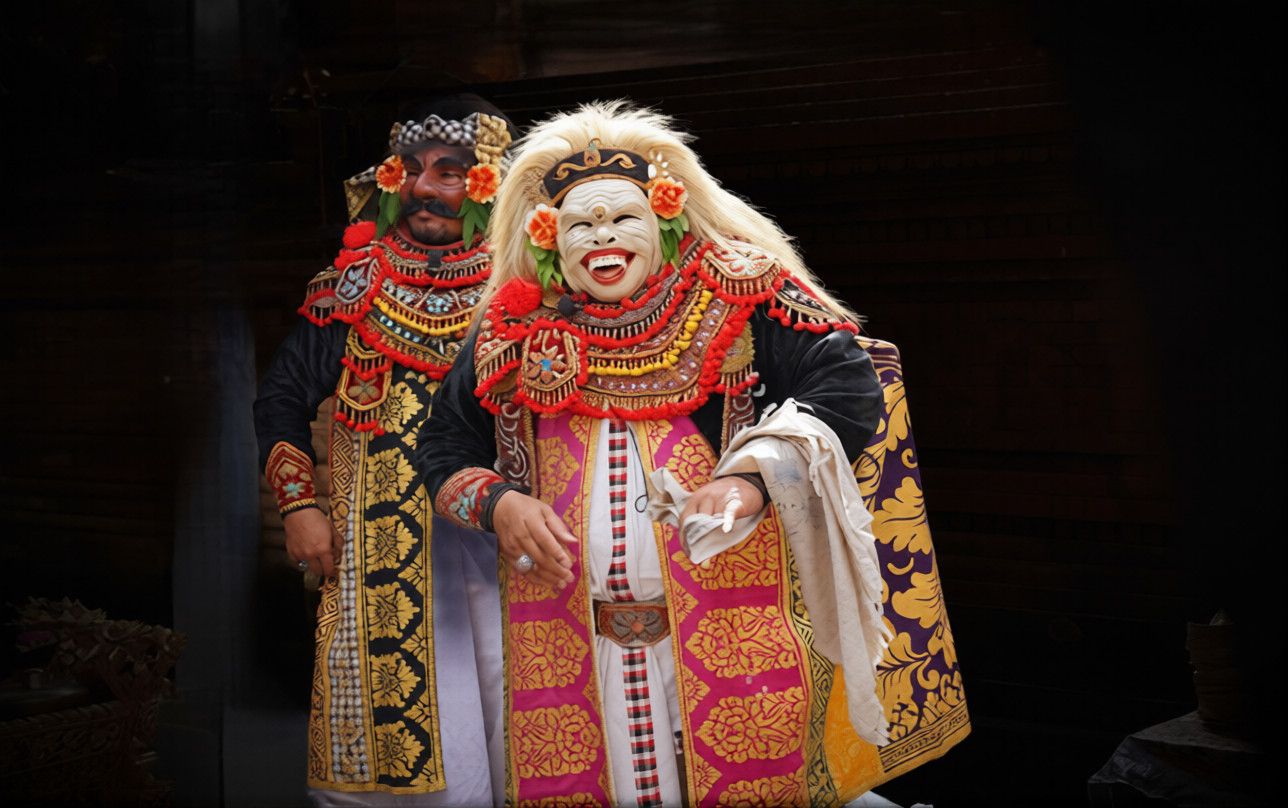
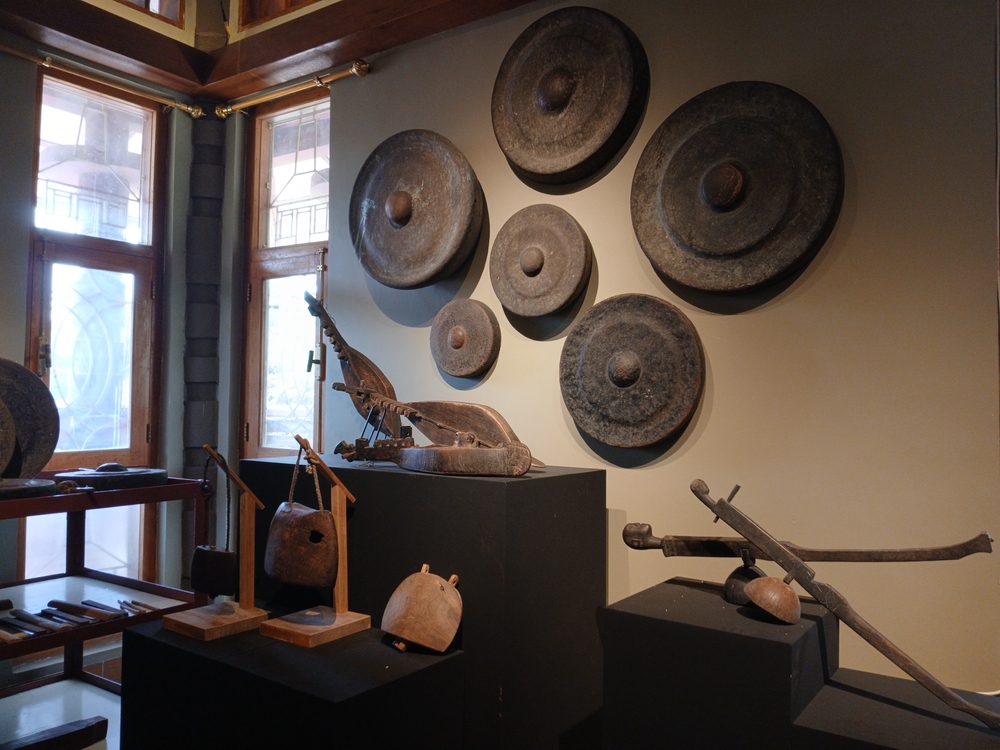
PUMA Museum’s collection comprises hundreds of art pieces, including paintings, sculptures, and tribal artefacts from Indonesia and beyond. The museum houses approximately 385 items with 210 main collections, reflecting a broad spectrum of tribal artistic practices and primitive artistic forms.
Museum Vision
The museum’s vision is to preserve, promote, and celebrate tribal art and primitive artefacts as part of Indonesia’s rich visual heritage. It aims to serve as a cultural inspiration, especially for contemporary artists, students, and those interested in visual anthropology.
Mission
PUMA Museum’s mission includes:
- Collecting and safeguarding tribal and primitive art collections gathered since the 1970s;
- Providing educational space and cultural context for visitors and art students;
- Presenting museum collections to broader audiences through exhibitions and cultural events;
- Encouraging understanding of tribal aesthetics and cultural history beyond local boundaries.