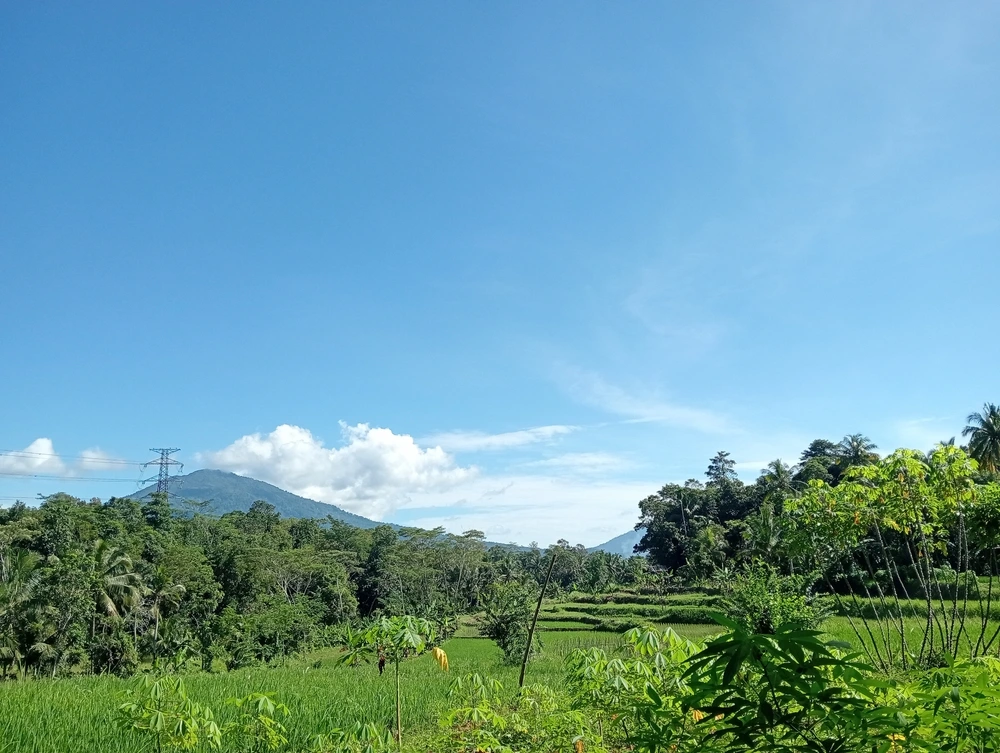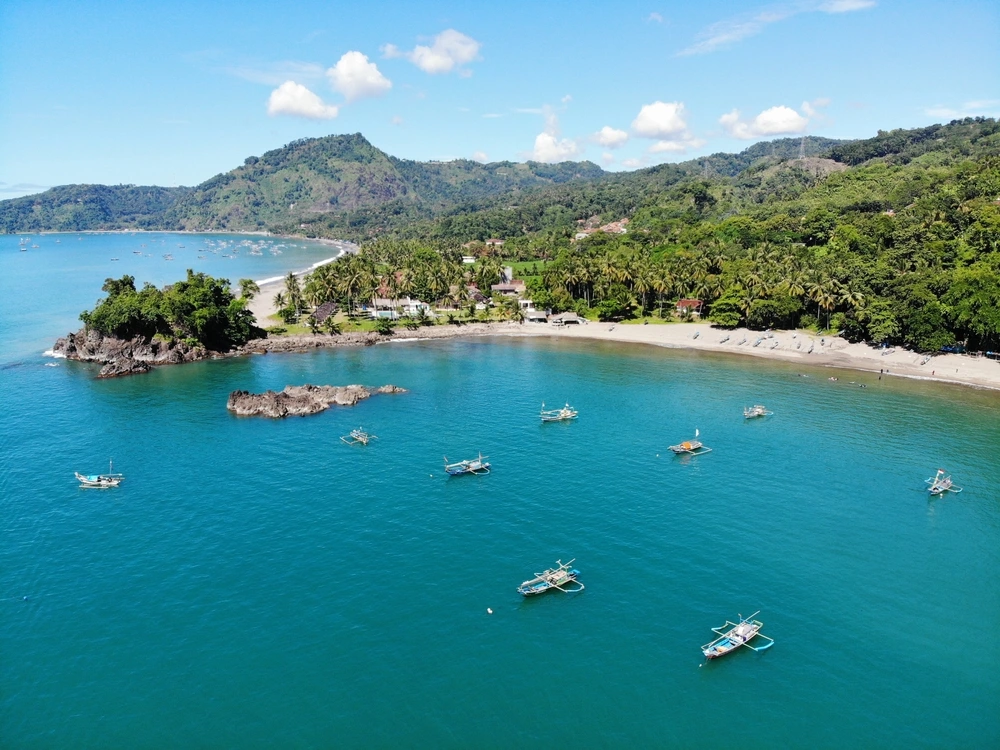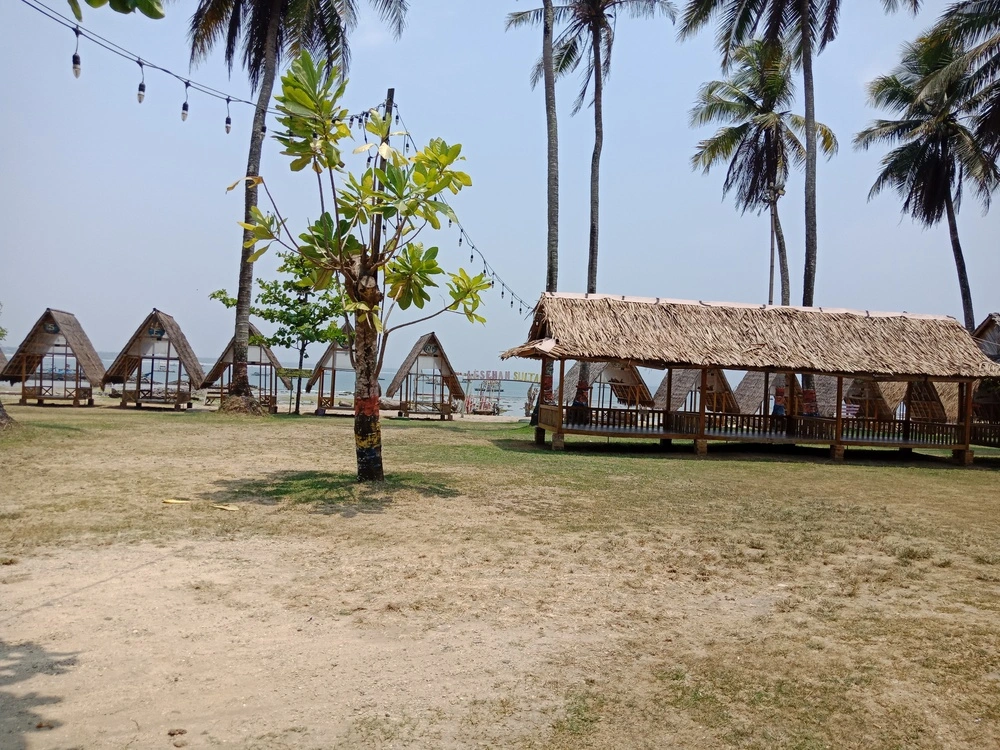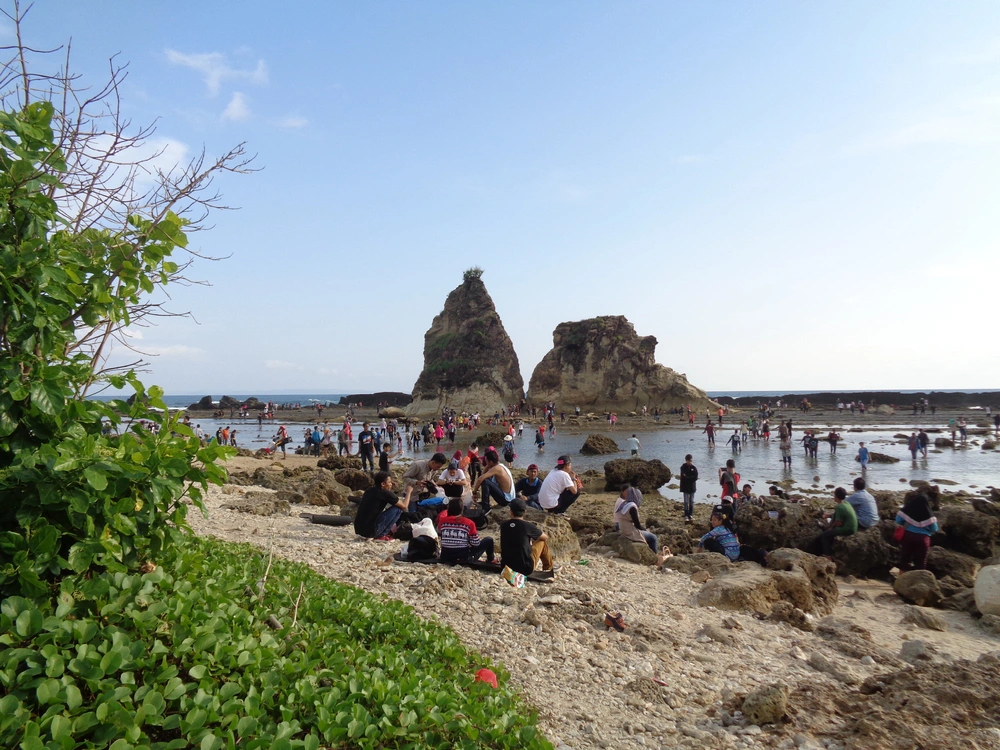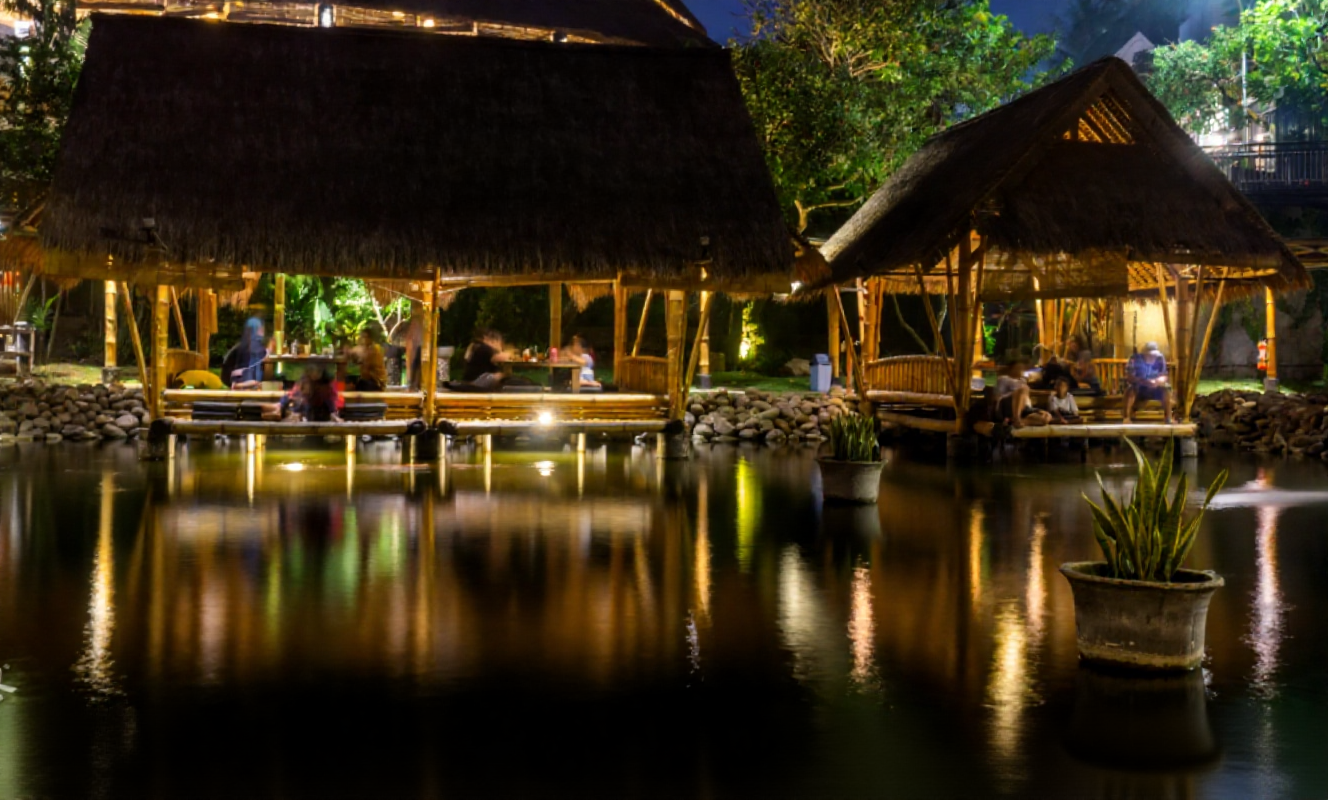
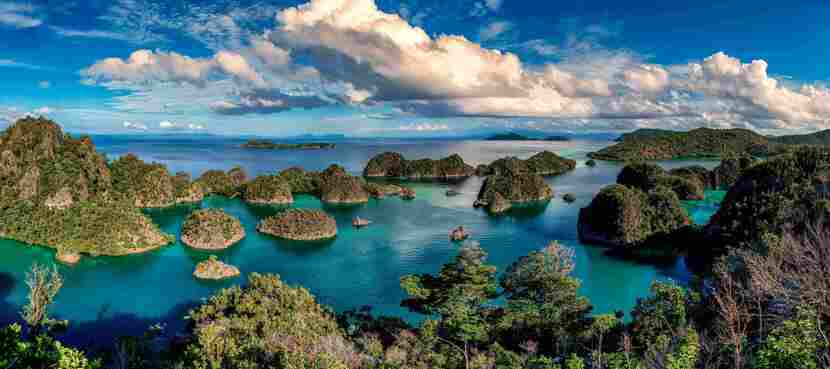




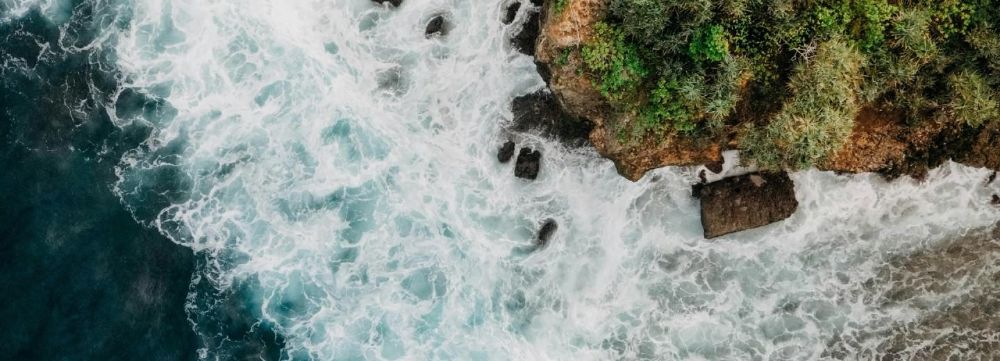
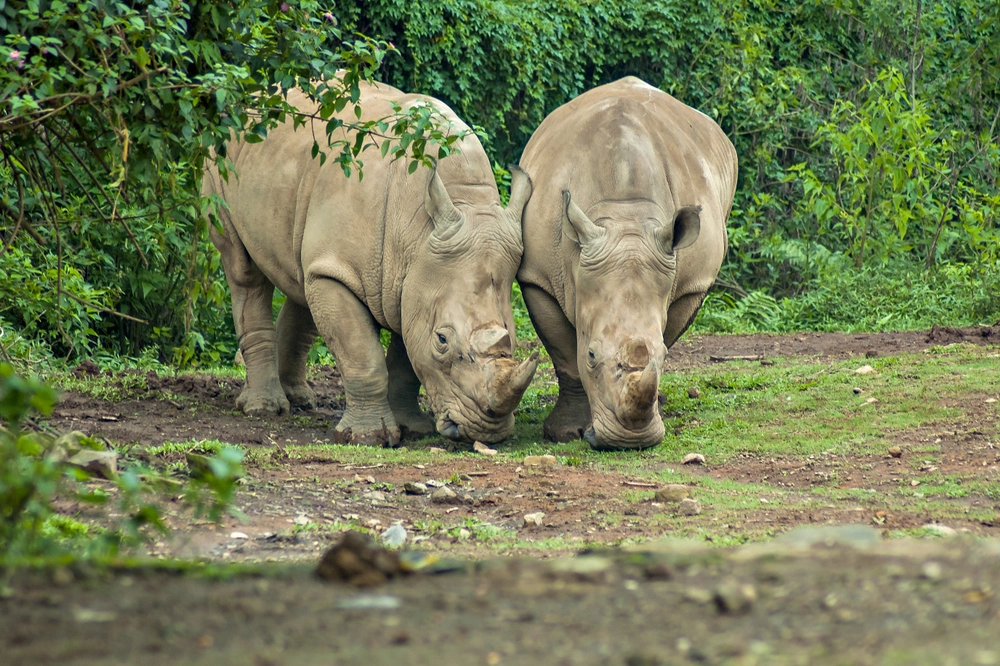
Ujung Kulon National Park is a natural tourism destination and also one of UNESCO’s World Heritage Sites. Featuring tropical rainforest landscapes, untouched beaches, and pristine small islands, Ujung Kulon holds geological, ecological, and cultural significance of global importance, while also standing as a symbol of the integrity of Indonesia’s natural heritage.
As the oldest national park in Indonesia, Ujung Kulon offers a travel experience that blends adventure, education, and conservation. This area is the last refuge for the rare Javan rhino and an ideal destination for travelers seeking tranquility and natural authenticity. Whether for solo journeys, getaways with friends, or family vacations, Ujung Kulon delivers a truly meaningful experience.
Historical Significance of Ujung Kulon National Park and World Heritage Value
Ujung Kulon National Park was inscribed as a UNESCO World Heritage Site in 1991 due to its exceptional natural value. The area gained global importance after the eruption of Krakatoa in 1883, which reshaped the surrounding landscape and allowed ecosystems to regenerate naturally.
This continuous ecological evolution has created one of the most intact lowland rainforest ecosystems remaining in Java, making the park a living laboratory of natural history.
Exceptional Biodiversity
The park is internationally renowned as the last natural refuge of the Javan rhinoceros, one of the world’s rarest mammals. In addition to this iconic species, Ujung Kulon supports diverse wildlife including primates, reptiles, bird species, and rich marine life.
Its ecosystems range from tropical rainforests and mangroves to coral reefs, offering extraordinary experiences for wildlife enthusiasts, researchers, and eco-tourists.
Management and Conservation Efforts
Ujung Kulon National Park benefits from strong legal protection and integrated management programs focused on species protection, habitat preservation, and sustainable tourism. Conservation initiatives prioritize rhino monitoring, forest patrols, marine protection, and community-based development.
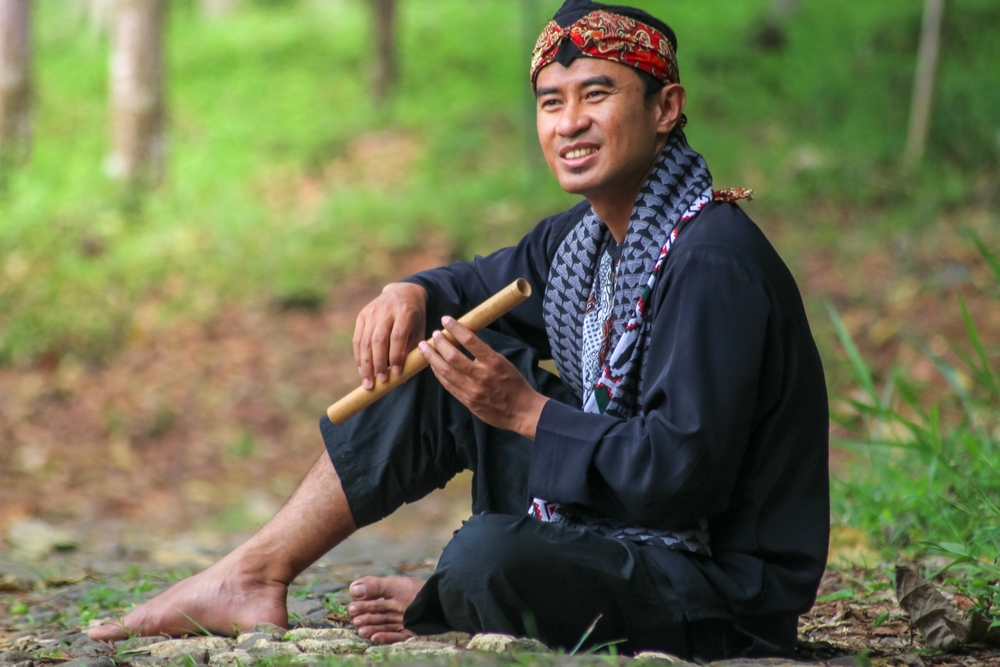
Local communities play a key role in conservation through education and eco-friendly livelihoods, ensuring long-term sustainability of the park.
Tourism Experiences and Activities
Visitors can enjoy activities such as jungle trekking, wildlife observation, snorkeling, river exploration, and island hopping. Popular areas like Peucang Island provide safe and scenic spots for recreation and learning.
The park is well-suited for solo travelers seeking solitude and reflection, friends looking for adventure, and families interested in educational and nature-based tourism experiences.
How To Get There
There are two main ways to reach Ujung Kulon National Park: by sea or by land. The sea route is taken by chartering a boat from Carita Beach to Peucang Island, where accommodation facilities and the national park’s representative office are located. The boat journey takes approximately 2–3 hours and provides scenic views of the surrounding waters and coastline.
Alternatively, visitors can travel overland from Jakarta to Serang via the toll road, which takes about 2 hours. From Serang, the journey continues westward to Labuan in Pandeglang Regency for another 2 hours. Labuan is home to the main office of Ujung Kulon National Park. From there, travelers proceed to Panimbang, Sumur, or Tamanjaya for approximately another 2 hours. Some roads are narrow and in poor condition, so caution is advised. Entrance tickets, insurance, guides, boat rentals, and other visitor needs can be arranged at the Ujung Kulon National Park Area II Handeleum Office in Tamanjaya Village.