


Image: indonesia.travel
Ujung Kulon National Park (TNUK) is the oldest national park in Indonesia, officially designated as a UNESCO World Heritage Site in 1991. This national park covers an area of approximately 122,956 hectares, with 443 kilometers of it being ocean.
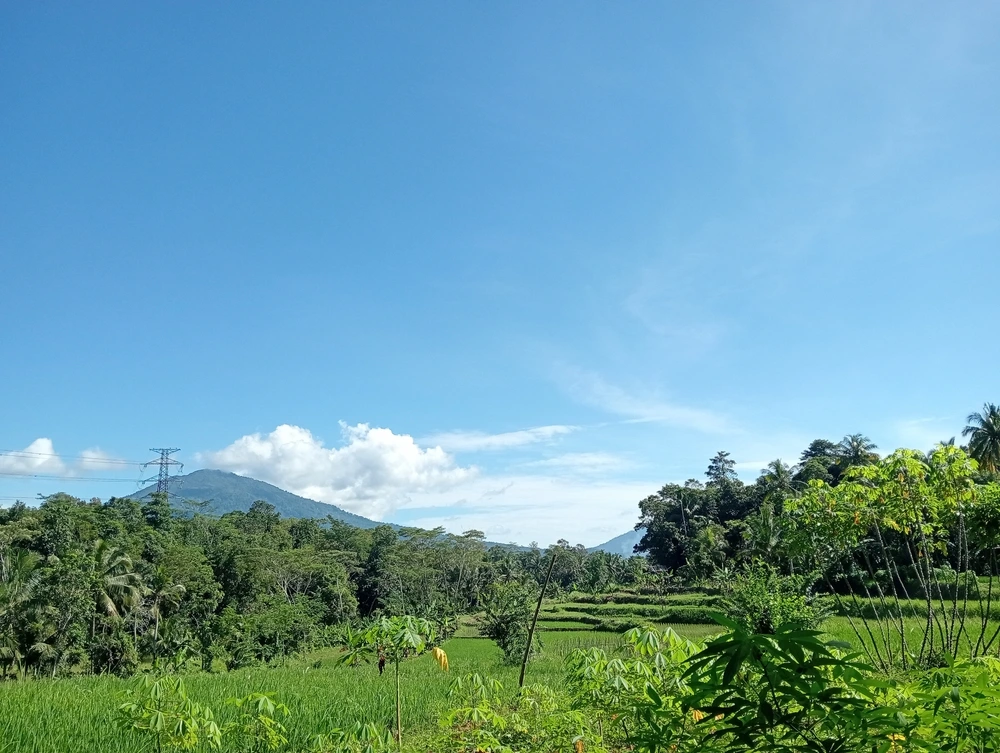
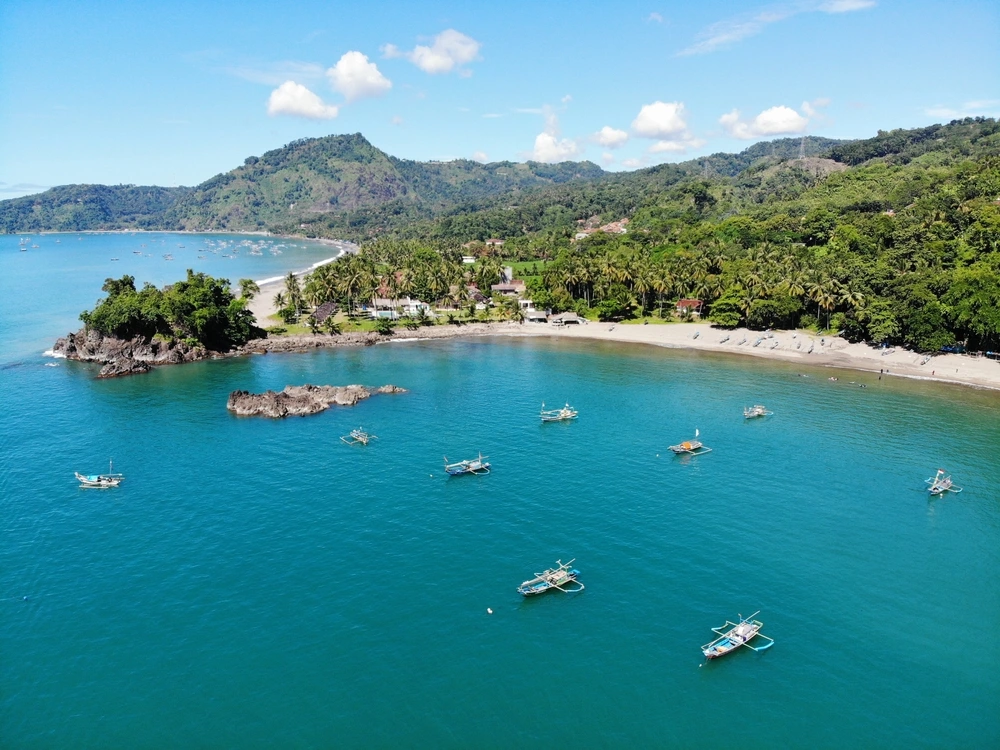
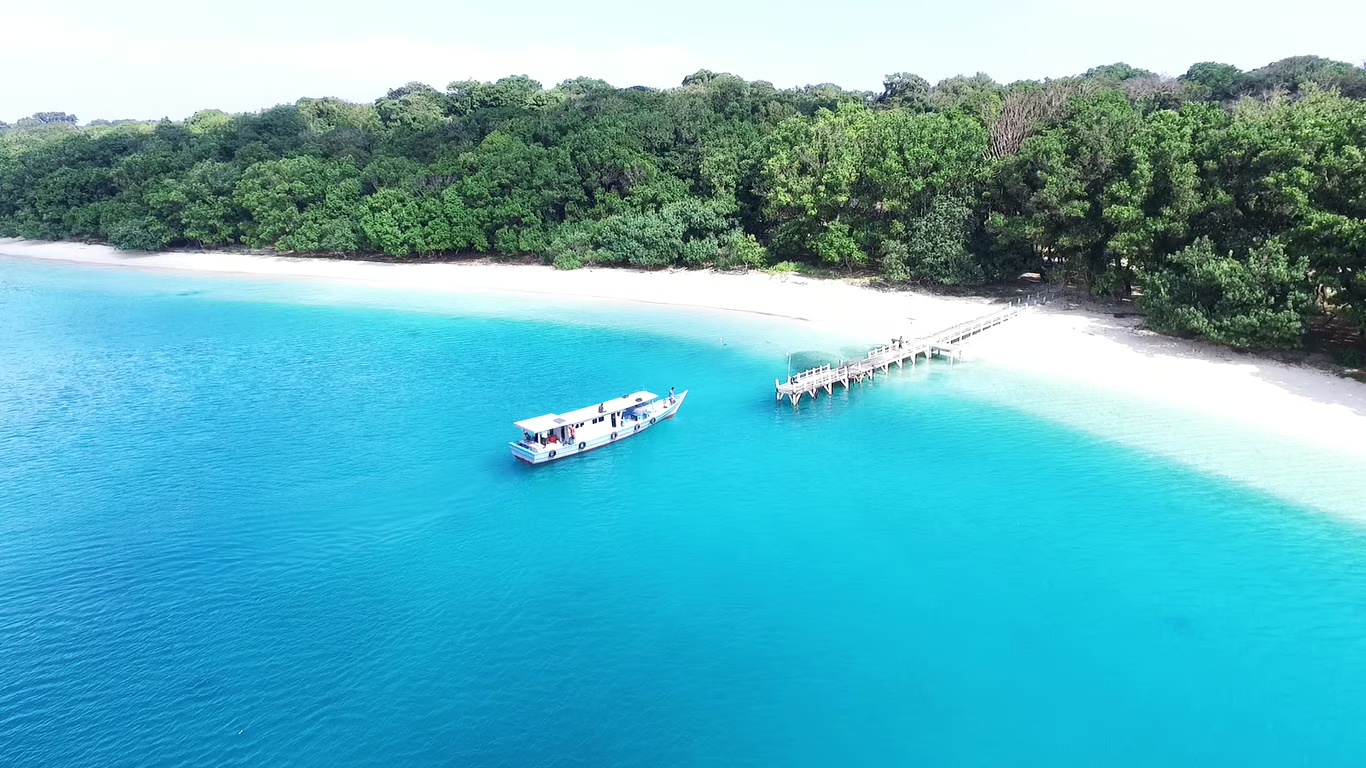
The park features various ecosystems, including coastal forests, lowland tropical rainforests, montane tropical rainforests, freshwater swamp forests, mangrove forests, and grasslands, located in Pandeglang Regency, Banten. It also includes the Krakatau region and several small surrounding islands such as Panaitan Island, Handeuleum Island, Peucang Island, the Ujung Kulon Peninsula, and Mount Honje. The park boasts the highest number of species in Java, with about 26.32% of mammal species, 66.3% of bird species, and 34.10% of reptile species found in this area.
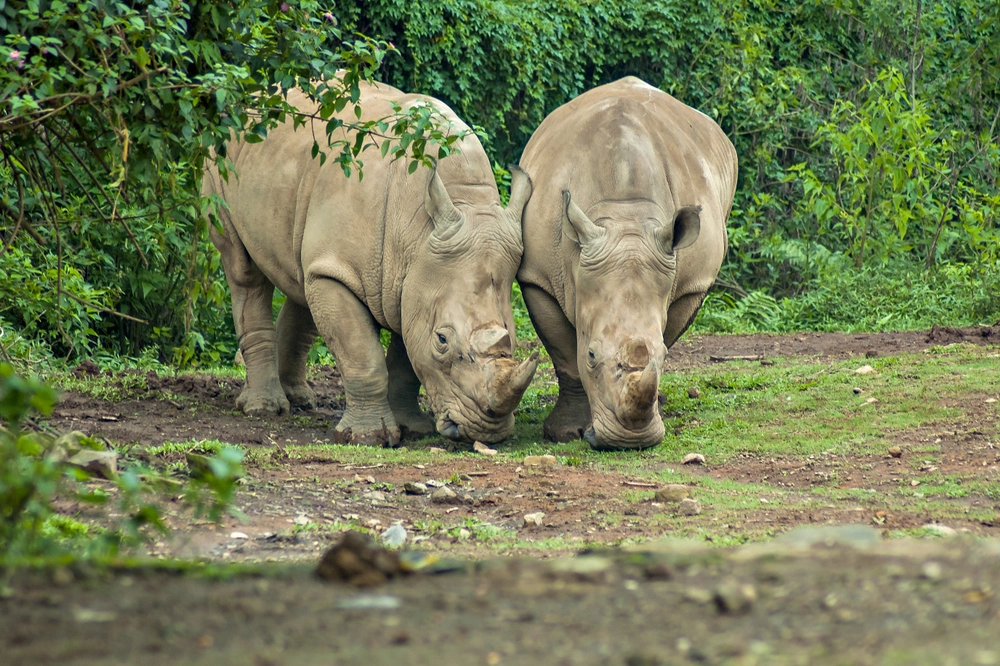
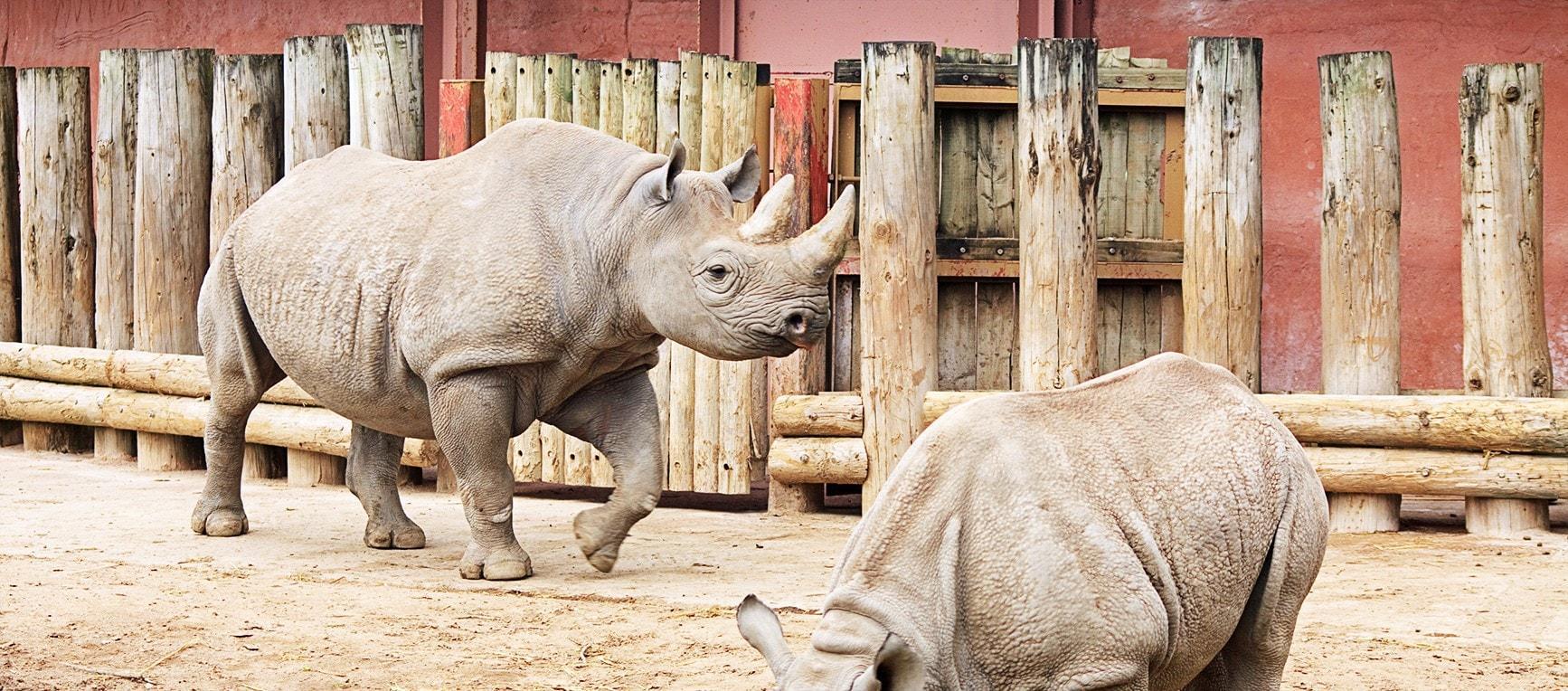
Ujung Kulon National Park is famous for its flora and fauna, including the presence of the Javan Rhino (Rhinoceros Sondaicus), Javan Gibbon (Hylobates moloch), Surili (Presbytis aigula), Banteng (Bos javanicus), various rare and protected bird species, and its rich biodiversity and ecosystems offering a unique natural experience.
Therefore, visitors to Ujung Kulon National Park must adhere to strict rules as part of the conservation area.
Visitor Rules in Ujung Kulon National Park
Image: IG @visit_ujungkulon
1. Entry Ticket and Simaksi Form
Visitors must have an entry ticket to TNUK, including insurance, and fill out the conservation entry permit form (Simaksi). Tickets can be purchased during working hours, from 07:30 to 16:00 WIB, with prices ranging from IDR 5,000–7,500 for Indonesian citizens and IDR 150,000–225,000 for foreign nationals.
2. Must Be Accompanied by TNUK Staff
Visitors are required to be accompanied by TNUK staff or licensed guides and nature tour providers (PB-PJWA) to assist and provide information about the conservation area. This includes during activities like snorkeling at designated spots and when entering protected forest areas.
3. No Noise or Damage
Visitors are prohibited from making loud noises or causing any disturbances that could disturb wildlife. Damaging nature, especially in wildlife habitats, is also prohibited. Visitors must avoid direct contact with Javan Rhinos.
4. No Firearms or Sharp Weapons
Strict rules prevent visitors from carrying firearms, air guns, tranquilizers, or sharp weapons. Pets, plant seeds, chemicals, alcoholic beverages, and illegal drugs are also prohibited.
Image: nikkipeucang.com
5. No Hunting or Cutting Plants
Visitors are prohibited from hunting, capturing, or removing animals or plant parts, either alive or dead, unless for research purposes with prior approval from the authorities.
6. No Smoking or Urinating in Certain Areas
Smoking is prohibited in forest areas to prevent forest fires. Smoking is only allowed in designated areas, and campfires are not allowed unless in emergencies. Visitors must avoid urinating in areas frequented by Javan Rhinos or where they bathe and defecate.
7. No Perfumes or Soaps
Visitors are prohibited from using perfumes or strong-smelling substances, including soaps or detergents, during activities within the forest.
8. No Littering or Vandalism
Visitors must keep the area clean and avoid littering, except in provided waste disposal spots. Vandalism, including damaging plants, rocks, or structures, is strictly prohibited, as the park is known for its cleanliness and cool air.
These rules are in place to protect the rich biodiversity of TNUK and ensure the continued preservation of its natural resources.
Image: jasling.menlhk.go.id
Tips for Visiting Ujung Kulon National Park
When visiting the national park, make sure to bring personal safety items such as light medication or personal drugs and mosquito repellent lotion. Also, don't forget to bring a jacket, raincoat, and other personal items.
It is recommended to wear long-sleeved shirts and knee-high boots to avoid scratches from the rattan thorns that grow in the forest. To prevent leeches or small insects from sticking to your legs, wear thick socks, and tuck your pants into the socks to keep them from entering.
Ujung Kulon National Park is one of the gems of #DiIndonesiaAja, offering extraordinary natural beauty and biodiversity. Be sure to understand all the rules before visiting.
Find more travel inspiration by following @pesona.indonesia on Instagram.