



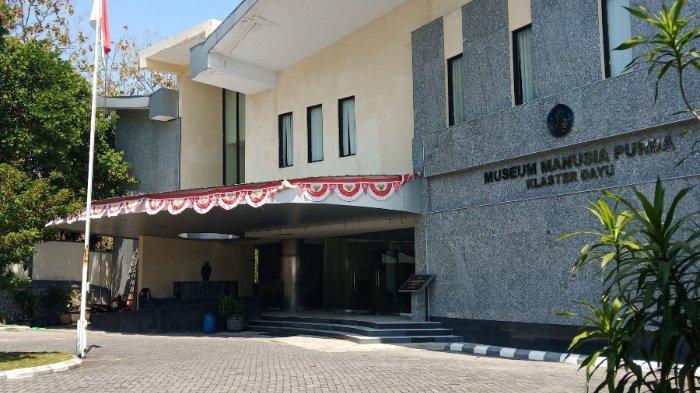
The Dayu Prehistoric Human Museum is a specialized museum in Dayu Village, Karanganyar Regency, Central Java, Indonesia, dedicated to presenting the story of prehistoric humans and their environment through archaeological evidence and geological layers. Situated within the internationally significant Sangiran Early Man Site, the museum offers visitors a unique educational experience into the ancient past of human life on Java.
This museum provides contextual insights into the early evolution of humans, the tools they used, and the environmental changes that occurred over millions of years. It plays an essential role in preserving and interpreting Indonesia’s prehistoric heritage.
Museum Type and Management
Dayu Prehistoric Human Museum is classified as a specialized museum because it focuses exclusively on prehistoric cultural heritage and human evolution. Its exhibits include geological stratigraphy, ancient tools, fossil evidence, and diorama displays that illustrate environmental and cultural transitions through deep time.
As a scientific and educational institution, it bridges academic research and public learning, making complex archaeological information accessible to all ages. The museum is owned by the Ministry of Culture of the Republic of Indonesia and managed by the Museum and Cultural Heritage Unit under the Directorate General of Culture.
This organization is responsible for maintaining museum collections, coordinating educational activities, and promoting cultural awareness among local and international visitors.
History of the Museum
The Dayu Prehistoric Human Museum was officially inaugurated on October 19, 2014 by the Vice President of Indonesia. It was established at a location recognized for its rich archaeological heritage within the Sangiran site. Dayu Village was chosen due to its significant discoveries of ancient stone tools and other evidence of prehistoric life, including artifacts dating back approximately 1.2 million years.
Sangiran is globally recognized as one of the most important prehistoric human sites, with extensive geological layers offering records of evolutionary developments over millions of years. The museum’s exhibits guide visitors through these layers, from recent soil deposits down to ancient layers that preserve traces of early human activity.
Museum Vision
The vision of the Dayu Prehistoric Human Museum is to become a collaborative, inspirational, and inclusive platform representing Indonesia’s rich prehistoric heritage. It aims to foster cultural understanding and promote character development through engaging educational experiences.
Museum Mission
To achieve its vision, the museum pursues several key missions:
- Implement integrated and sustainable management of prehistoric collections and heritage.
- Provide public services that enhance knowledge of prehistoric remains.
- Actively involve communities and stakeholders in museum activities.
- Foster partnerships with cultural institutions and research organizations.
- Position the museum as a leading educational resource on prehistoric heritage.
- Strengthen institutional governance and professional human resource development.
These missions ensure the museum remains a dynamic educational and cultural hub, connecting visitors with both scientific knowledge and Indonesia’s ancient past.
Dayu Prehistoric Human Museum, A Window into Ancient Humanity
The Dayu Prehistoric Human Museum serves as a vital gateway to the distant past, offering deep insights into humanity’s earliest chapters. Through carefully curated exhibits and interpretive displays, visitors gain an understanding of how prehistoric humans lived, adapted, and interacted with their environment. This museum not only preserves invaluable historical evidence but also inspires curiosity about our shared human heritage.