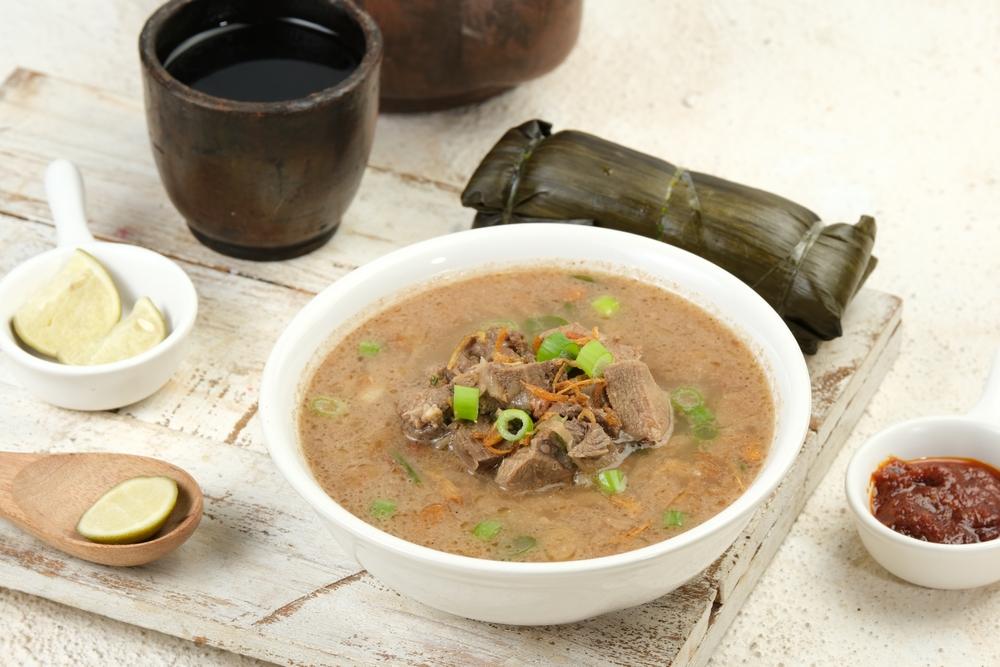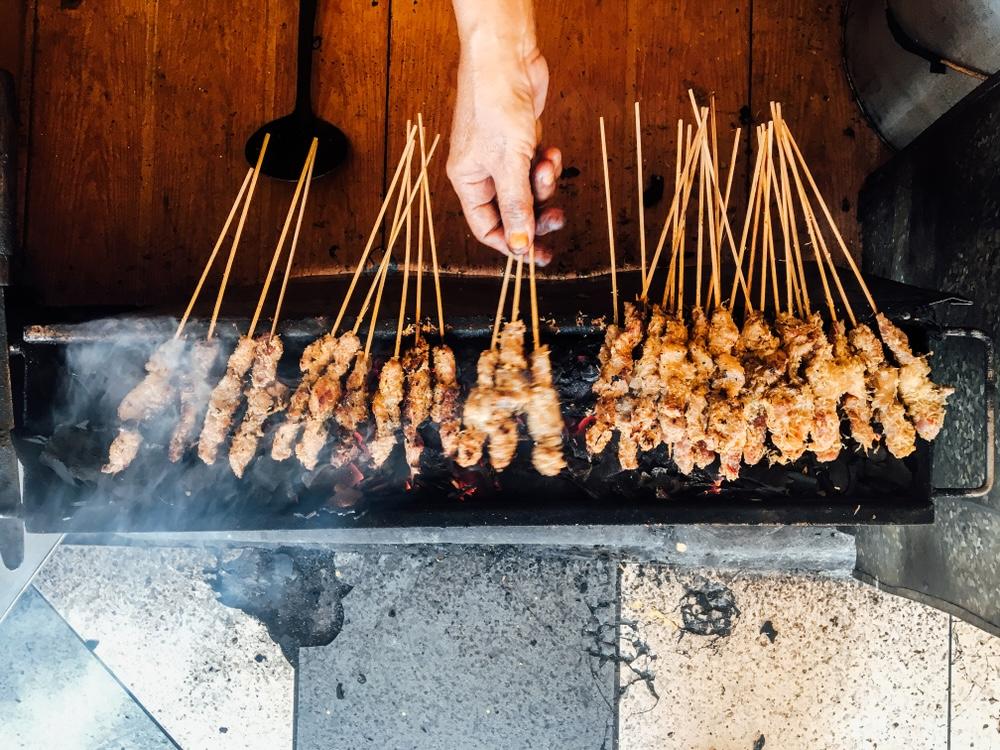







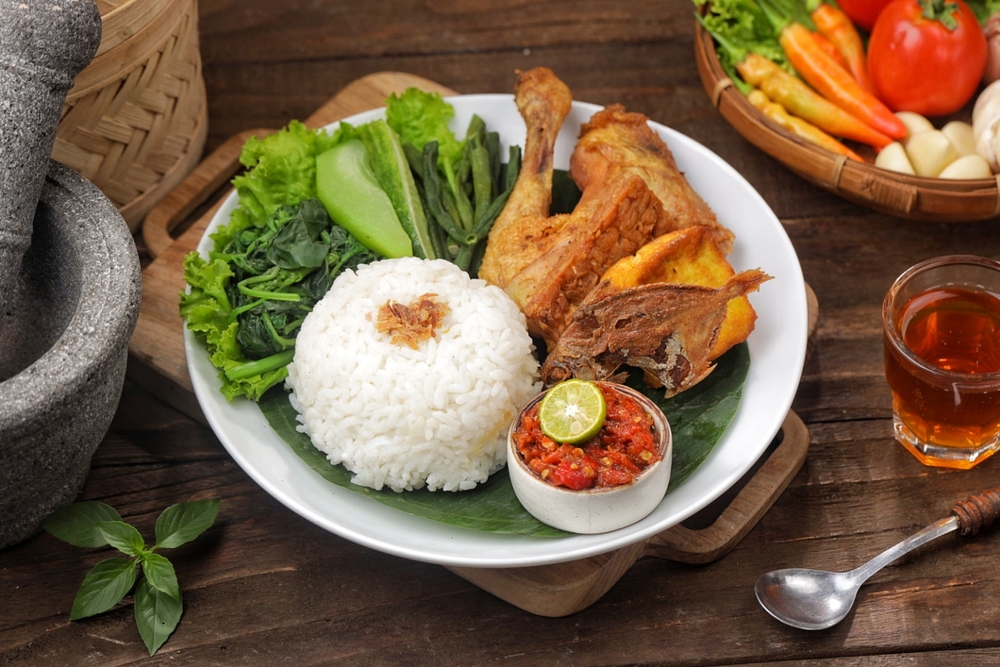
Banyuwangi’s signature dishes have long been a main attraction for anyone visiting the eastern tip of Java. Authentic specialties such as Sego Tempong with its bold heat, the refreshing Ayam Kesrut, and the uniquely comforting Rujak Soto are ready to delight your palate as you explore Bumi Blambangan.
Strategically located and bordering Situbondo, Bondowoso, and Jember, Banyuwangi is blessed with remarkable cultural and natural richness. Its traditional cuisine stands as one of the strongest reasons why this region continues to leave a lasting impression on those who visit.
Why Banyuwangi Cuisine Is So Special
The distinctiveness of Banyuwangi cuisine lies in its bold yet authentic flavors. Many dishes are prepared with generous spices that remain well balanced, reflecting local cooking traditions that have been preserved across generations with minimal alteration.
Supported by its coastal location and fertile natural surroundings, Banyuwangi benefits from high-quality local ingredients that shape its culinary identity. Each dish offers not only a memorable taste but also cultural and traditional values that make dining in Banyuwangi a more meaningful experience.
11 Must-Try Traditional Dishes from Banyuwangi
Below is a curated list of Banyuwangi’s traditional dishes that reflect the region’s rich flavors and culinary heritage. From hearty meals to classic snacks, these specialties can be found throughout the city.
1. Ayam Pedas
Ayam Pedas Banyuwangi is known for its intense spiciness and deeply infused spices. Prepared with bird’s eye chilies and traditional seasonings, it delivers a savory heat that lingers. You can enjoy Ayam Pedas at local eateries around Rogojampi, an area well known as one of Banyuwangi’s spicy food hubs.
2. Telur Petis
Telur Petis is a simple dish made of boiled eggs topped with thick petis sauce that offers a sweet and savory profile. Despite its modest appearance, the flavor is distinctive. This dish is commonly found in traditional markets across Banyuwangi, particularly at stalls specializing in petis-based dishes.
3. Sego Tempong
Sego Tempong consists of steamed rice with simple side dishes, served alongside a raw chili sambal that packs an immediate punch. The word tempong itself reflects the sharp heat felt on the tongue. It is widely available at Banyuwangi-style eateries in the city center, especially those operating from morning until midday.
4. Ayam Kesrut
Ayam Kesrut is served in a clear, spicy broth with sliced chilies and bilimbi fruit, giving it a refreshing sour note. The dish feels light yet full of flavor. You can find Ayam Kesrut at traditional food stalls in the Srono area, where original recipes are still carefully preserved.
Related Article: 4 Things to Do in Banyuwangi that Will Make Your Trip Unforgettable
5. Pecel Rawon
Pecel Rawon is a unique combination of pecel vegetables paired with rich black rawon broth. The contrast creates an unexpected yet harmonious taste. This dish can be enjoyed at several pecel stalls in Banyuwangi, particularly around Banyuwangi Kota Station.
6. Rujak Soto
Rujak Soto blends vegetable rujak with savory beef soto broth. The mix of freshness, spice, and warmth defines this distinctive dish. It is especially popular in the Genteng area, home to several long-established eateries serving this specialty.
7. Bagiak
Bagiak is a traditional Banyuwangi dry cookie made from sago flour and infused with aromatic spices. Its crunchy texture makes it a perfect snack. You can purchase Bagiak at souvenir shops throughout Banyuwangi, both in the city center and along routes to tourist attractions.
8. Petulo
Petulo is a traditional snack made from rice flour with a soft texture and mild savory flavor, usually served with grated coconut. It is easy to find Petulo at traditional markets in Banyuwangi, especially in the morning when market stalls are most active.
9. Boku Kuwuk
Boku Kuwuk is a traditional cake made from black glutinous rice, offering a sweet taste and chewy texture. It is commonly enjoyed as a light snack. You can find this treat at traditional markets such as Rogojampi Market, particularly at stalls selling local snacks.
10. Ketan Bubuk Kedelai
Ketan Bubuk Kedelai is served warm with a topping of ground soybeans and sugar. Simple yet filling, it is a comforting local favorite. This snack is usually sold by street vendors around public squares and busy areas in Banyuwangi.
11. Tahu Walik
Tahu Walik is a fried tofu snack that is turned inside out and filled with a savory mixture, resulting in a crispy exterior and soft interior. You can find Tahu Walik at snack stalls and night food spots across Banyuwangi, making it an ideal companion for a relaxed evening.
Culinary Tips for Exploring Banyuwangi
To fully enjoy Banyuwangi’s culinary scene, take time to try local dishes at traditional food stalls and markets. Many specialties are best enjoyed at their place of origin, particularly in the morning or late afternoon when ingredients are at their freshest.
If you are not accustomed to spicy food, feel free to adjust the level of heat when ordering. Several Banyuwangi dishes are known for their strong sambal, and tailoring the spice level will make your dining experience more comfortable.
Related Article: 7 Scenic Spots in Banyuwangi
Every culinary journey tells its own story. Use AI Plan Your Trip to create a Banyuwangi food itinerary tailored to your interests and travel schedule. To enhance your experience, MaiA is ready to assist with culinary inspiration, dining recommendations, and practical tips as you explore Banyuwangi’s local flavors.