




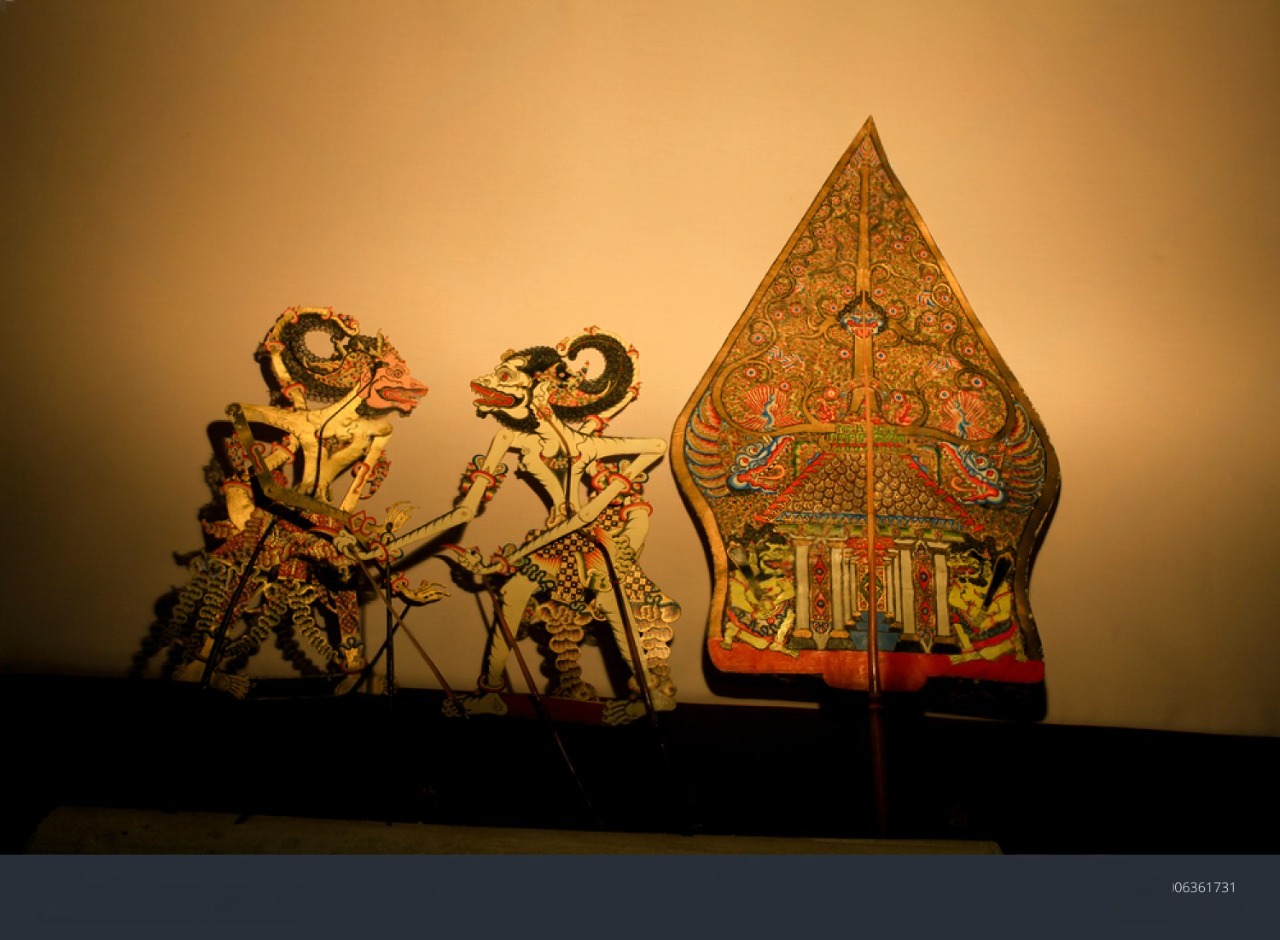
The Museum Wayang Banyumas is a specialized puppet museum located in Banyumas Regency, Central Java, Indonesia. Dedicated to the rich tradition of Indonesian puppetry, the museum serves as a repository and exhibition space for various types of wayang, including traditional shadow puppets, rod puppets, and other related cultural artifacts.
It showcases the cultural heritage of wayang performance, which holds a significant position in Javanese art and storytelling. Visitors to the museum can learn not only about the physical forms of these puppets but also the cultural contexts and symbolic meanings behind each figure and performance style.
Type and Management The Museum Wayang Banyumas
Museum Wayang Banyumas is classified as a Special Museum, Type B, under Indonesia’s museum classification system. A special museum focuses on a specific theme, in this case, puppetry and related cultural heritage. Type B denotes that the museum has a moderate scale but substantial importance in educating the public and preserving regional culture.
The museum is owned by the Banyumas Regency Government and managed by the Department of Youth, Sports, Culture, and Tourism of Banyumas Regency. The management is responsible for preserving the collection, curating exhibitions, and organizing educational and cultural programs for visitors.
Historical Background The Museum Wayang Banyumas
Museum Wayang Banyumas was officially established on 31 December 1983. The initiative to create the museum came from local cultural figures, including Soepardjo Roestam, and was supported by community elders and government leaders.
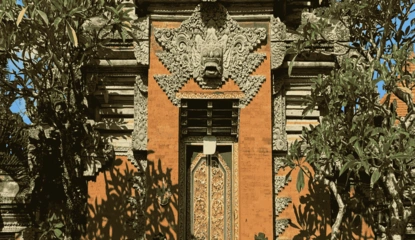
The museum building itself is situated within the old government complex of Banyumas Regency and originally served as a guest pavilion for government dignitaries. Its transformation into a museum reflected a broader commitment to preserving local history and traditional arts.
Collections and Cultural Significance The Museum Wayang Banyumas
The museum houses an extensive collection of puppets, such as:
- Wayang Gagrag Banyumasan, a local puppet style known for its humor and distinct characters like Bawor, symbolizing the candid and spirited nature of the Banyumas people.
- Traditional puppets from various regions, including Yogyakarta, Surakarta, and Pesisir styles.
- Wayang Beber, scroll puppets that tell stories through painted imagery.
- Wayang Suluh, puppets used historically for educational and motivational purposes during Indonesia’s struggle for independence.
- Traditional musical instruments such as gamelan and calung that support puppet performances.
In addition, the museum contains archaeologically significant objects and historical illustrations that provide insight into regional heritage and performance practices.
Vision The Museum Wayang Banyumas
The vision of Museum Wayang Banyumas is to become an outstanding museum that expresses local cultural wisdom and heritage. This vision reflects the museum’s commitment to celebrating regional identity through arts and tradition.
Mission The Museum Wayang Banyumas
To fulfill this vision, the museum has adopted several missions:
- To establish a museum with competitive excellence that plays a key role as a major cultural tourism attraction.
- To create a museum environment that is clean, appealing, and well‑managed in preserving regional cultural heritage.
Role in Cultural Preservation
The Museum Wayang Banyumas plays an essential role in preserving the intangible cultural heritage of wayang, which is recognized by UNESCO as a Masterpiece of Oral and Intangible Heritage of Humanity.
Through its collections and programs, the museum not only preserves tangible artifacts but also fosters a deeper appreciation of traditional storytelling, artistic expression, and cultural identity. It serves as an educational hub, helping visitors understand how wayang performances reflect the values, beliefs, and narratives of Indonesian society.
By bridging past and present, Museum Wayang Banyumas supports cultural continuity and ensures that generations to come can learn from and be inspired by the rich traditions of wayang and Javanese performing arts.