



Indonesia’s islands of Java and Bali are not only rich in culture and heritage, but also home to some of the country’s most spectacular natural landscapes. From dense rainforests and volcanic peaks to coral reefs and savannas, these islands offer unforgettable adventures for nature lovers.
Among them, West Bali National Park stands out as a biodiversity treasure and a must-visit destination for travelers seeking serene wilderness. Together with several other protected areas across Java and Bali, these national parks promise immersive experiences in some of Indonesia’s most breathtaking ecosystems.
7 National Parks in Java and Bali
Java and Bali are home to seven remarkable national parks that showcase the region’s ecological diversity:
1. West Bali National Park (Bali National Park)
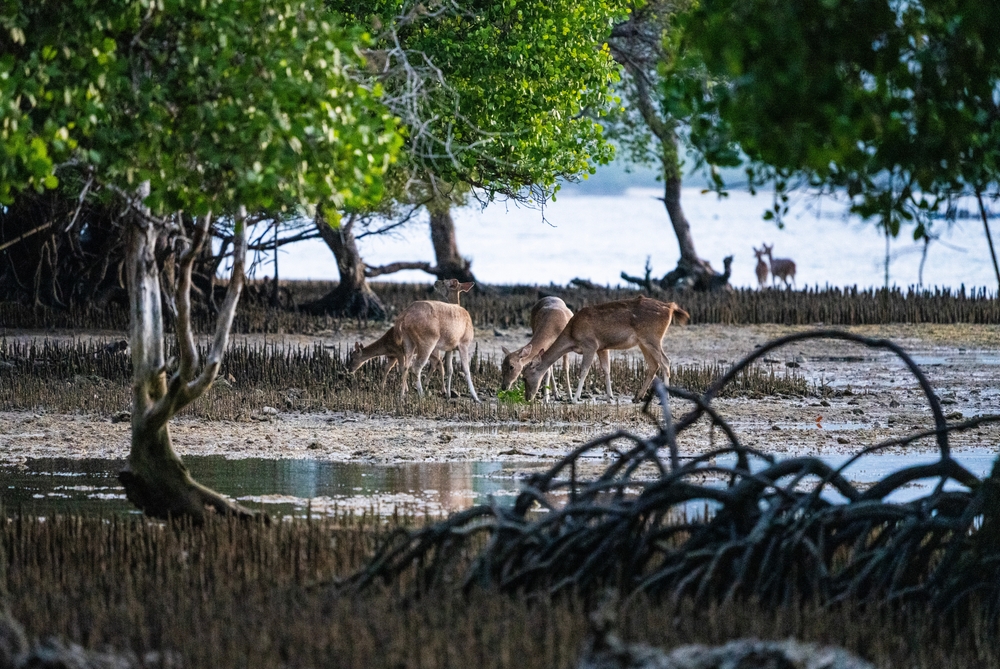
Located on the northwestern tip of Bali, West Bali National Park spans approximately 190 square kilometers of protected land and sea. This bali national park features mangrove forests, monsoon forests, savannas, and vibrant coral reefs. It is also the last natural habitat of the endangered Bali Starling (Jalak Bali).
How to Get There:
You can reach West Bali National Park from Gilimanuk or Singaraja by road (about 1.5 - 2 hrs from Singaraja). The park gate is near Sumber Klampok, with access roads from the Gilimanuk port area, ideal if coming from Banyuwangi (via ferry from Java) and then by taxi or private car.
Operating Hours and Tickets:
Most national park entrances open daily from early morning (around 07.00) until late afternoon (around 17.00), though specific activity times (like boat departure for Menjangan Island) vary. Entrance fees and ranger-guided tour costs vary; park entry and activity packages (snorkeling or diving) are available via local operators, typically a modest fee plus additional cost for boats or guides.
- Domestic visitors (weekday): approximately IDR 15,000-25,000
- Domestic visitors (weekend/public holiday): approximately IDR 20,000-35,000
- International visitors: approximately IDR 200,000-250,000
2. Baluran National Park (East Java)
Often called “Africa van Java,” Baluran National Park is famous for its vast savanna landscapes, roaming deer, wild buffalo, and peacocks. Mount Baluran forms a dramatic backdrop to this unique ecosystem.
How to Get There:
Baluran National Park is located in Situbondo Regency (East Java). Visitors typically travel via Banyuwangi (nearest bigger city), with a bus or minivan ride (1 hr) to the park entrance. A private vehicle or tour is recommended for ease.
Operating Hours and Tickets:
Baluran is generally open daily from 08:00 AM to 05:00 PM (WIB). Camping and guided tours are subject to additional fees.
- Domestic visitors (weekday): IDR 15,000
- Domestic visitors (weekend/public holiday): IDR 20,000-25,000
- International visitors: IDR 150,000-250,000
3. Alas Purwo National Park (East Java)
Known for its mystical aura and pristine beaches, Alas Purwo is a haven for surfers and wildlife enthusiasts. The park includes lowland forests, mangroves, and savannas, and is home to banteng, monkeys, and various bird species.
How to Get There:
Alas Purwo is on the Blambangan Peninsula (Banyuwangi). Most visitors go from Banyuwangi town via road (about 1-2 hours) to the park entrance. Transport options include rental cars, private transfers, or motorcycle taxis.
Operating Hours and Tickets:
Alas Purwo is typically open daily from morning until late afternoon. Entrance tickets are affordable and available at the gate. Guides are available for trekking and wildlife observation.
- Domestic visitors: IDR 15,000-20,000
- International visitors: IDR 150,000-250,000
4. Meru Betiri National Park (East Java)
This park protects coastal forests and is an important conservation site for sea turtles that nest along its beaches. It also shelters diverse flora and fauna in its tropical rainforest.
How to Get There:
Meru Betiri is on the southern coast of East Java, closest major hubs like Jember or Banyuwangi. Visitors use a combination of road transfers and local guides to reach beach trailheads. (While info on fees/hours is more localized and less widely published, guided access and permits are standard).
Operating Hours and Tickets:
Open daily with entrance fees; turtle-nesting tours and evening wildlife walks typically require guides. (Local ranger stations provide exact pricing and open hours).
- Domestic visitors: IDR 15,000-20,000
- International visitors: IDR 150,000-250,000
5. Bromo Tengger Semeru National Park (East Java)
One of Indonesia’s most iconic landscapes, this park features the active Mount Bromo and Mount Semeru, the highest volcano in Java. The dramatic sea of sand and sunrise views attract adventurers from around the world.
How to Get There:
From Bali, most travelers take a ferry to Banyuwangi, then continue by bus or private transfer to Probolinggo or Cemoro Lawang, the main base village for exploring the park. Alternatively, fly to Surabaya and transfer by road to Cemoro Lawang (around 2,5 hours).
Operating Hours and Tickets:
The main access areas are open daily, with sunrise jeep tours starting as early as 03.30-04.00. A park entrance fee applies (with pricing tiers for foreigners and Indonesians), and jeep tours to the viewpoints are additional. Check local guides or servers for exact rates.
- Domestic visitors (weekday): IDR 29,000
- Domestic visitors (weekend/public holiday): IDR 34,000
- International visitors: IDR 220,000-320,000
6. Ujung Kulon National Park (Banten, West Java)
A UNESCO World Heritage Site, Ujung Kulon is best known as the last refuge of the critically endangered Javan rhinoceros. The park includes rainforest, coastal ecosystems, and offshore islands.
How to Get There:
The park is in Pandeglang Regency (Banten). Visitors usually travel from Jakarta or Serang by private car or tour bus, then continue to Muara village or Cikeusik as main entry points. Boat rides may be needed to reach offshore areas/islands within the park.
Operating Hours and Tickets:
Open daily, with park entrance fees for foreigners. Guided exploration and boat trips (especially to Krakatau area or coastal reefs) are extra. For the endangered rhinoceros zones, special permits or guides may be required.
- Domestic visitors: IDR 15,000-25,000
- International visitors: IDR 150,000-250,000
7. Gunung Gede Pangrango National Park (West Java)
Popular among hikers, this mountainous park offers lush montane forests, waterfalls, and diverse wildlife. It is a favorite weekend escape for nature lovers from Jakarta and Bandung.
How to Get There:
Located near Bogor, this mountainous park is accessible from Cibodas, Gunung Putri, or Selabintana trailheads. Public transport from Bogor city can reach Cibodas, but many visitors use private cars or organized tours.
Operating Hours and Tickets:
Hours are typically early morning to late afternoon. Entrance fees vary, and hikers must register at park posts before starting treks (many trails have guides and overnight camping permits).
- Domestic visitors (weekday): IDR 29,000
- Domestic visitors (weekend/public holiday): IDR 34,000
- International visitors: IDR 200,000-300,000
Each of these parks represents a different facet of Java and Bali’s natural beauty, making the region an extraordinary destination for eco-tourism and outdoor exploration.
Related Article: Menjangan Island: West Bali's Best Kept Secret Dive Site
What to Do in West Bali National Park
As the only bali national park on the island, West Bali National Park offers a wide range of activities for travelers seeking both relaxation and adventure.
1. Snorkeling and Diving at Menjangan Island
Menjangan Island, part of West Bali National Park, is renowned for its crystal-clear waters and healthy coral reefs. Snorkelers and divers can explore vibrant marine life, including colorful reef fish, sea turtles, and coral walls that descend dramatically into deeper waters.
2. Birdwatching
The park is a paradise for bird lovers. With more than 160 bird species recorded, visitors may spot the rare Bali Starling in its natural habitat. Early morning guided tours increase the chance of encountering this iconic bird.
3. Trekking Through Forest and Savanna
Guided trekking routes take visitors through monsoon forests, mangroves, and open grasslands. Along the way, you may encounter deer, long-tailed macaques, wild boar, and monitor lizards.
4. Exploring Mangrove Forests
Boat tours through the mangrove areas provide a peaceful way to appreciate the park’s coastal ecosystems. These mangroves play an important role in protecting the shoreline and supporting marine biodiversity.
5. Cultural Experiences
Near the park, visitors can also explore local villages and learn about traditional Balinese life. Combining nature with culture makes West Bali National Park a well-rounded destination.
Whether you prefer underwater exploration or forest trekking, West Bali National Park offers a serene alternative to Bali’s more crowded tourist areas.
What to Do in Java National Park
Java’s national parks provide equally thrilling experiences, especially for those drawn to volcanic landscapes and wildlife adventures.
1. Witness Sunrise at Mount Bromo
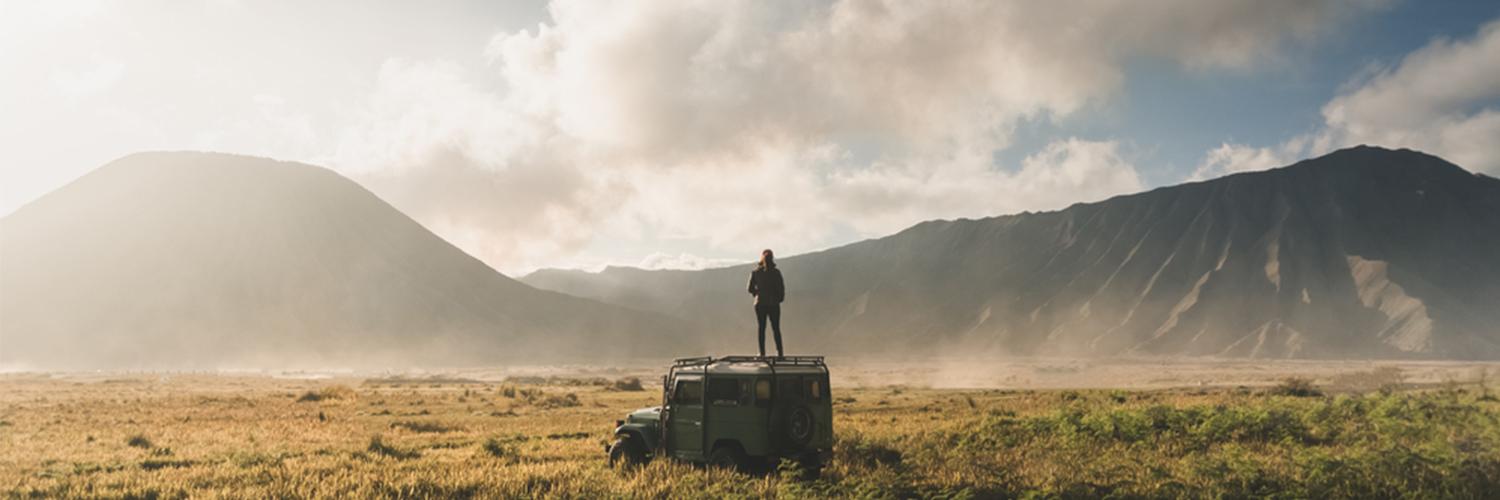
At Bromo Tengger Semeru National Park, watching the sunrise over Mount Bromo is a bucket-list experience. The golden light illuminating the sea of sand and surrounding caldera creates a truly magical scene.
2. Hike Mount Semeru
Experienced trekkers can challenge themselves by hiking Mount Semeru, Java’s highest peak. The journey offers panoramic views, alpine vegetation, and a rewarding sense of achievement.
3. Wildlife Safari in Baluran National Park
Baluran’s savanna landscape provides opportunities to observe wild animals in their natural habitat. Early morning or late afternoon is the best time to see deer, buffalo, and exotic birds.
4. Surfing in Alas Purwo
Plengkung Beach, also known as G-Land, is one of the world’s top surfing spots. Advanced surfers flock here for its legendary waves.
5. Explore Rainforests and Waterfalls
In Gunung Gede Pangrango National Park, visitors can hike to scenic waterfalls and enjoy cool mountain air while spotting endemic plants and wildlife.
Java’s national parks are ideal for travelers seeking adventure, dramatic scenery, and encounters with rare species.
Best Time to Visit National Parks in Java and Bali
The best time to visit national parks in Java and Bali is during the dry season, from May to October. During these months, trails are more accessible, wildlife is easier to spot, and outdoor activities such as hiking and snorkeling can be enjoyed comfortably. If you plan to visit West Bali National Park for snorkeling or diving, calm sea conditions during the dry season are generally more favorable.
The rainy season, from November to April, brings lush greenery and fewer visitors. However, heavy rainfall may affect trekking conditions.
No matter when you visit, always check weather conditions and follow park regulations to ensure a safe and sustainable journey.
Related Article: 10 Best Escapes You Can Enjoy In Beautiful Lombok
As you plan your adventure to explore West Bali National Park and other stunning protected areas across Java and Bali, make sure your itinerary matches your travel style and interests.
Every journey has its own unique story. Use the AI Plan Your Trip feature to create a personalized itinerary tailored to your interests, travel duration, and holiday style.
And if you need extra inspiration, MaiA is ready to assist you and answer all your questions about destinations, activities, and travel tips across Indonesia.