

Without doubts, Tour de Singkarak 2011 highlighted more tourist attractions along its routes in 7 stages of the race. West Sumatra governor, Irwan Prayitno, was pleased that there were intense exposures on Minangkabau, West Sumatran hidden attractions. Each stage of Tour de Singkarak had been set against the best icons of West Sumatra, such as the Harau Valley, the old steam locomotive, the Jam Gadang ( grand clock tower), and the Minangkabau kingdom’s palace, the Istano Basa Pagaruyung. The best of all were the hospitality that the people sincerely casted during the event.
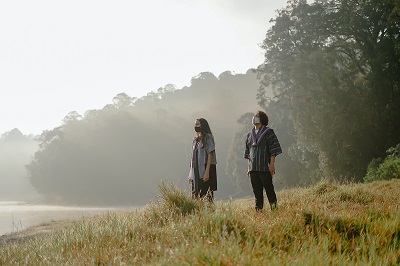
Sitting on a West Sumatra’s highland, 1,200 meters above sea level, Bukittinggi is a cool and peaceful city. In an open reception, the two girls along with the locals welcomed the racers in a heartfelt hospitality.
A 22-year old tourism beauty queen from Padang, Maya Ayu Permata Sari, performed in front of Bukittinggi public singing a local song with her beautiful crisp voice. Speaking a very fluent local lingo, she was quite an attraction both for racers and the spectators.
One of the notable tourist attractions in Bukittinggi is the park overlooking a gigantic gorge, called Ngarai Sianok. Visitors couldn’t help taking the pictures of its magnificence.
The ‘quiet valley’, also locally known as Ngarai Sianok, stretches as long as 15 kilometers from Nagari Koto Gadang to Palupuah, presenting 150-meter deep gorge with natural carvings on its walls. The sinuous river flows between the 200-meter wide valleys.
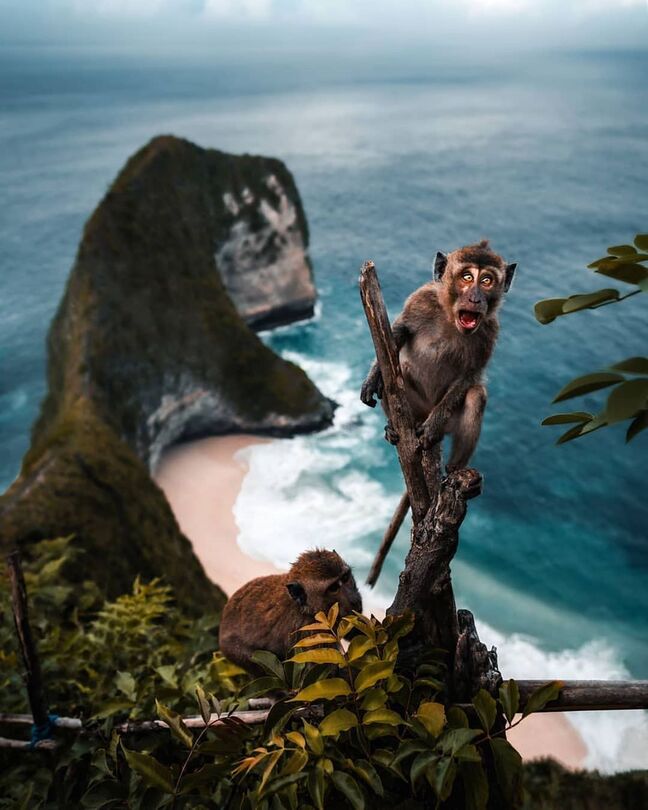
A curious macaque patiently waited for unattended eatable items as visitors enjoyed the scenic natural surroundings in Bukittinggi’s Japanese bunker and Sianok Valley Park.
During the World War II, Japanese built long winding tunnels and bunkers underneath the granite walls in Ngarai Sianok area. The two figures were erected to mark the horror in old days.
Souvenir shops along the clean sidewalk in the park provide various items from local producers. Known for the ability to convert simple fabric into delicate fashionable masterpieces, the sellers still offered popular items like T-Shirts and traditional hand-woven bags.
A perfect afternoon in cool Bukittinggi can be enjoyed by riding a bendi, a horse carriage to interesting places in the city. For only IDR 20,000 for one round, visitors can enjoy their worthwhile visit.
Near Jam Gadang, the icon of Bukittingi, a girl was making a call by the blue public payphone.
During an easy weekend especially in the afternoon, family members gathered by the park and spent the rest of the day with other visitors. Nearby were food stalls selling noodles, delicious bakso, and other local delicacies.
A morning view from Pusako Hotel, Bukittinggi, the Bukit Barisan mountain range presents its best scenery behind the misty hills outside the urban settlements.
Bendi in Bukittinggi is considered as the most authentic with less modification made. It has been around for almost a century and never been banned as public transportation.
One of Indonesia’s founding fathers, Mohammad Hatta, was born here in Bukittinggi. His parent’s house is still in good condition and well preserved by the local government.
Behind this wooden wall and window, Mohammad Hatta was born on August 12, 1902. The room was kept as it was and visitors can observe how the young Hatta lived his life. Insert: Bung Hatta.
A man held a gendang tasa, the big drum, and the other a talempong, a type of traditional percussion gamelan of West Sumatra. They performed to welcome Tour de Singkarak 2011 cyclists in Harau Valley.
A deep fried bakso is a hybrid of soupy bakso, beef meatball, a popular snack in Indonesia.
A mosque stands at the bank of a river close to Jembatan Ratapan Ibu or a weeping mother’s bridge. West Sumatra is known for many authors and local story tellers who started their education in mosques.
An instant convenient shop owner reaped great profits from hundreds of racers, officials, and committee members during the race of Tour de Singkarak in Payakumbuh, one of the cities that hosted the race.
The narrow road between Payakumbuh and Sawah Lunto was challenging for a big bunch, and therefore some of the cyclists tried to break away and formed smaller packs.
Along the road to Sawah Lunto, traditional houses with mini-food stall at the front are the place where the locals anxiously awaited the passing cyclists.
Sawah Lunto was built at the base of the coal mining region that once flourished in the area. Rich with art deco buildings and old railway, Sawah Lunto today is a heritage town decorated with beautiful surroundings.
School girls checked her cell-phone camera after taking pictures of one of the cyclists crossing through the finish line.
Sawah Lunto Train Station is very popular and historical as it housed one of the city’s best gems, Mak Itam, an old steam locomotive from E1060 series made in 1966 in Esslingen, Germany.
Mak Itam, meaning ‘Black Uncle’, is permanently attached to the E1060 series steam locomotive in Sawah Lunto Railway Museum. It still serves the town of Sawah Lunto as a tourist transport, going to Padang Panjang during the weekend.
Sawah Lunto is surrounded by dense woods filled with wild animals. The local found it attractive when groups of wild boar hunters prepared their best dogs for the hunt.
Mak Itam carries several cars, including an old wood-paneled car that becomes the VIP’s carriage for tourists. The wood-paneled car was built in 1920s and was renovated when the second president of Indonesia, Soeharto, boarded it during his visit to the town.
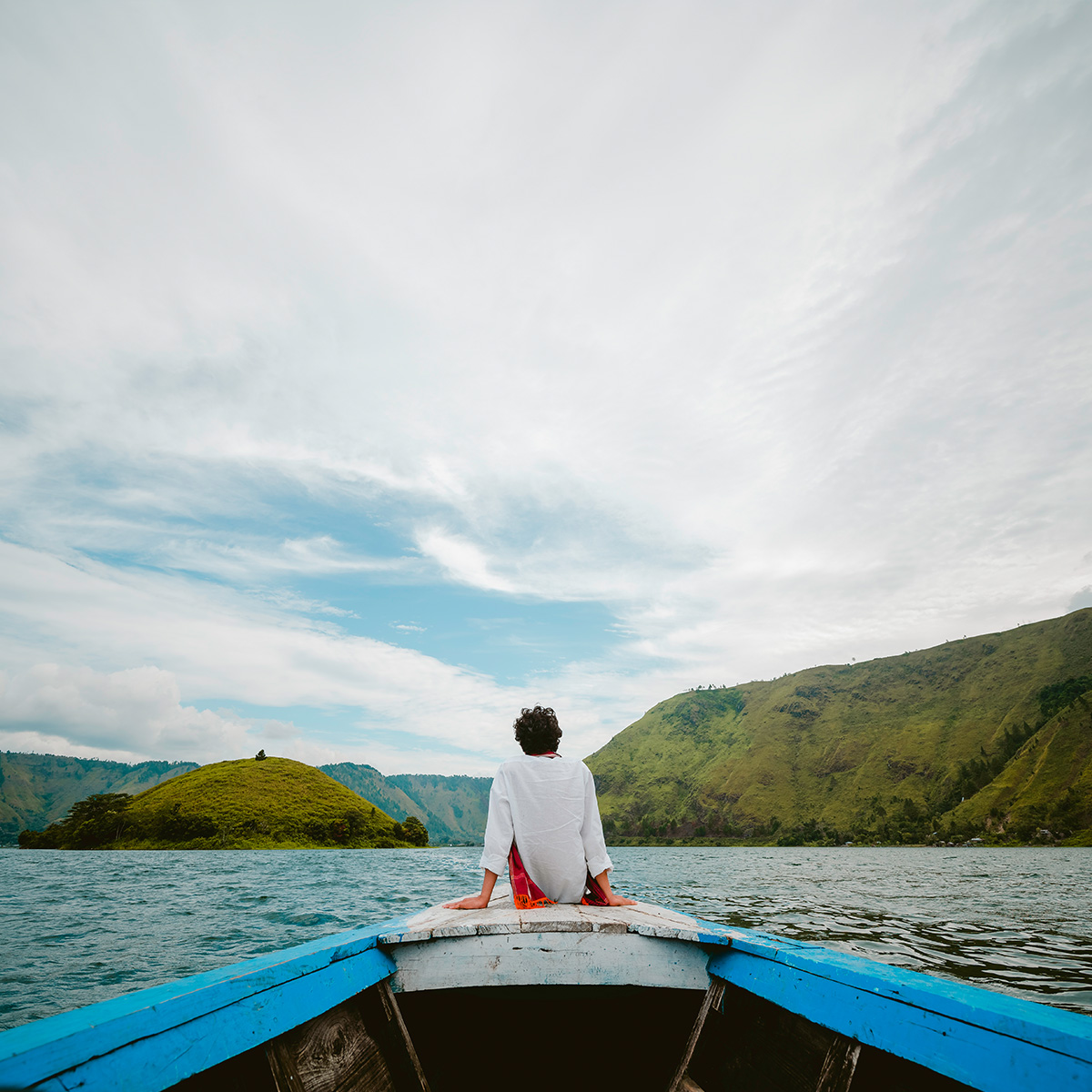
Lake Singkarak is the source of life for the people nearby. It provides irrigation for the ricefields and also protein supplier for the population. Ikan Bilis, a type of fresh water anchovy, is said to live here and could only live in this particular lake.
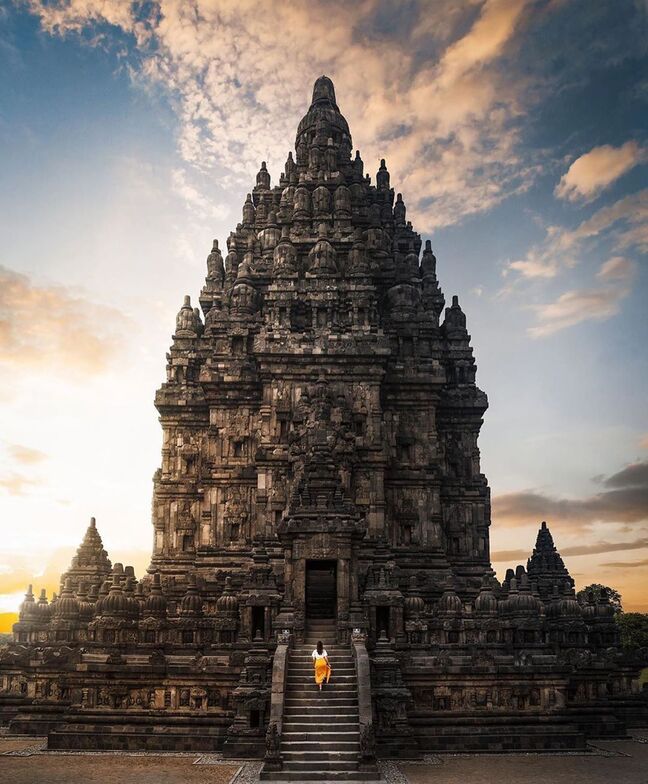
One of the most elaborated and grandest rumah gadang, the grand houses, of West Sumatra is located in Tanah Datar. The Istano Basa Pagaruyung or the Pagaruyung Palace is a replica of the ancient Minangkabau kingdom in West Sumatra.